Analysis Series
Analysis/0080/September/2026/London-Dialogue. 08 September 2026
Author: Dr Reza Ekhtiari Amiri
Dr Reza Ekhtiari Amiri is an Associate Professor of International Relations at the University of Mazandaran, Iran.
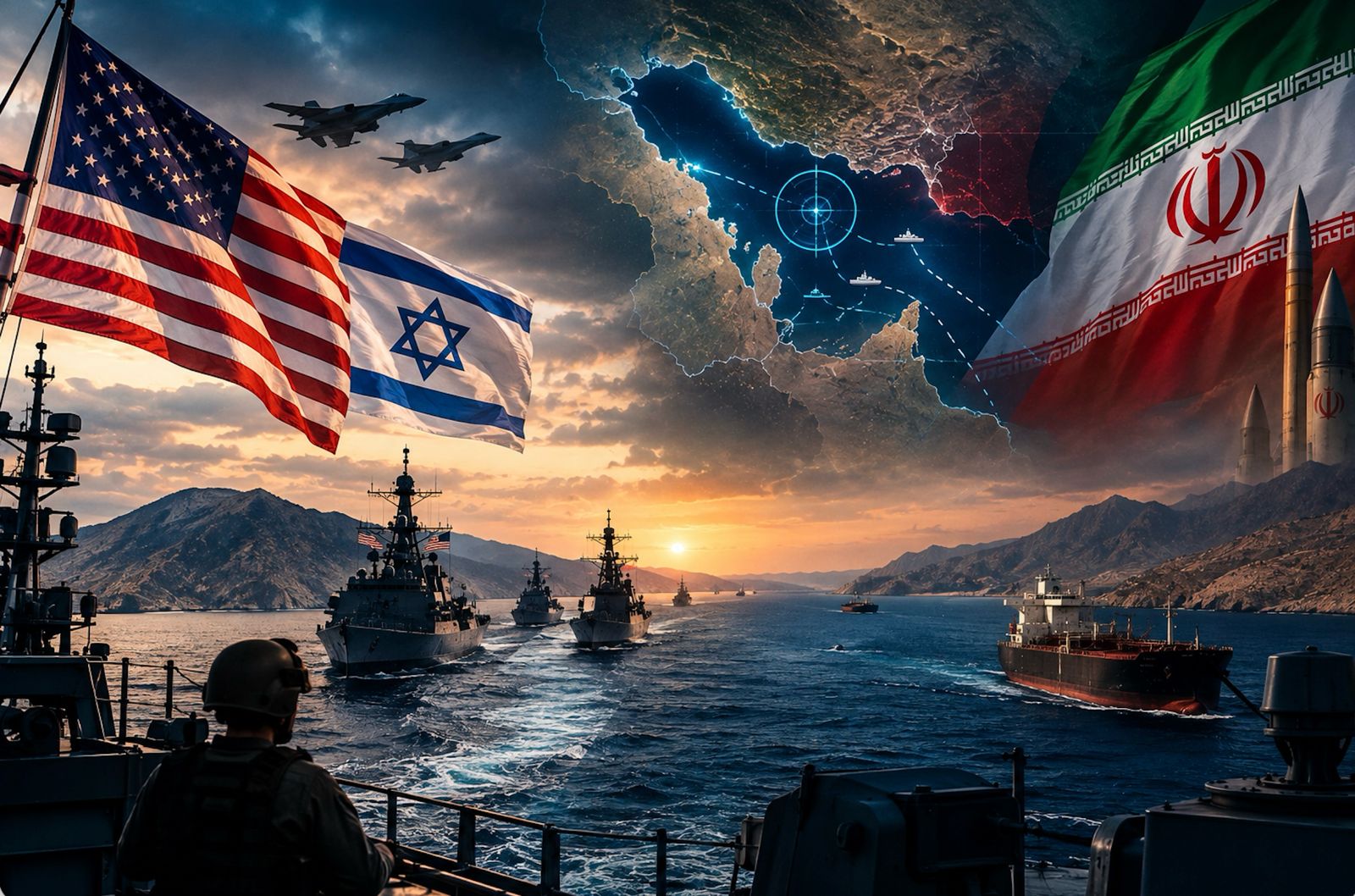
The United States (US), in alliance with Israel, conducted the 40-Day War of 2026 against Iran with the aim of neutralising Iran's nuclear programme, terminating its support for militant and proxy groups throughout the Middle East, attenuating its ballistic missile capabilities, and, should circumstances allow, bringing about regime change. Notwithstanding the damage sustained by Iran's nuclear infrastructure, the war did not yield the other objectives sought by Washington.
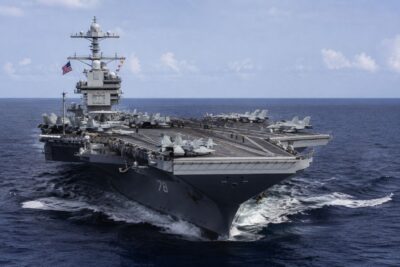
In the wake of mounting bilateral frictions over Iran's role in managing the Strait of Hormuz, and subsequent to the conclusion of the Islamabad Peace Memorandum on June 17, 2026, the US more resolutely revived the maritime blockade strategy which had previously been applied during the course of the war against Iran and eventually launched a fresh wave of sweeping, severe sanctions against the country, designated under the title "Economic D-Day". While active military hostilities between the two sides have ceased, the ongoing realities of the naval siege, the newly imposed sanctions, and the interplay of domestic and regional pressures suggest that Iran, the US, and Israel may each, acting upon their own strategic calculations, trigger a renewed armed conflict in the Middle East.
Domestic Threats Arising From Economic Pressure And Iran's Adoption Of "Escape Forward" Strategy: John Mearsheimer, a leading scholar of offensive realism, observes that a naval blockade might force an enemy into submission via two distinct pathways: first, by constricting the public sphere and thereby prompting citizens to rise up and pressure the government to cease hostilities and capitulate; second, by debilitating the enemy's economy to such an extent that it no longer possesses the capacity or stamina to sustain the war effort. A comprehensive curtailment of the enemy's foreign trade is thus pursued with the aim of achieving one of these objectives.
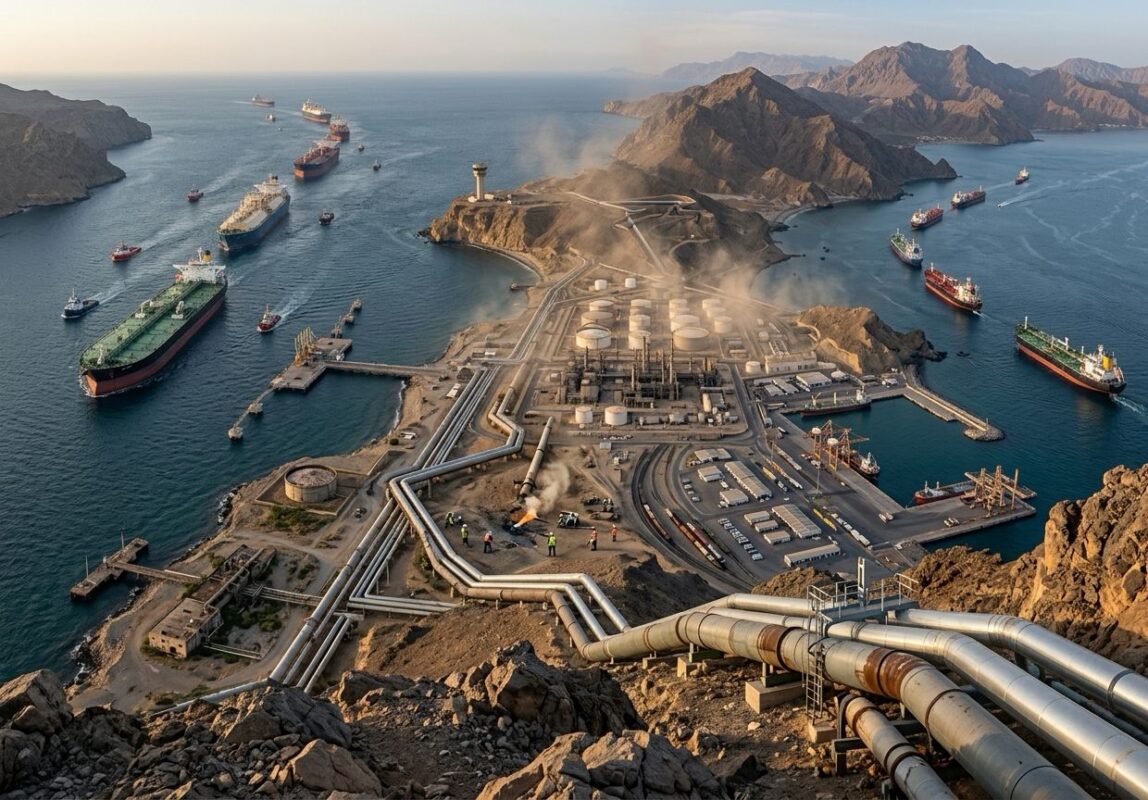
On this basis, and given that the bulk of Iran’s external trade transits through its southern ports, the imposition of a naval blockade would exacerbate the country's economic hardship to a degree significantly greater than previously experienced. Although the Iranian regime is unlikely to capitulate to U.S. economic pressure, the emergence of long-term domestic unrest given worsening living standards and economic hardships such as soaring inflation and unemployment remains a plausible prospect. Economic difficulties have previously provided the groundwork for internal protests, a notable example being the January 2025 demonstrations, which, according to official Iranian statistics, resulted in over 3,300 fatalities.
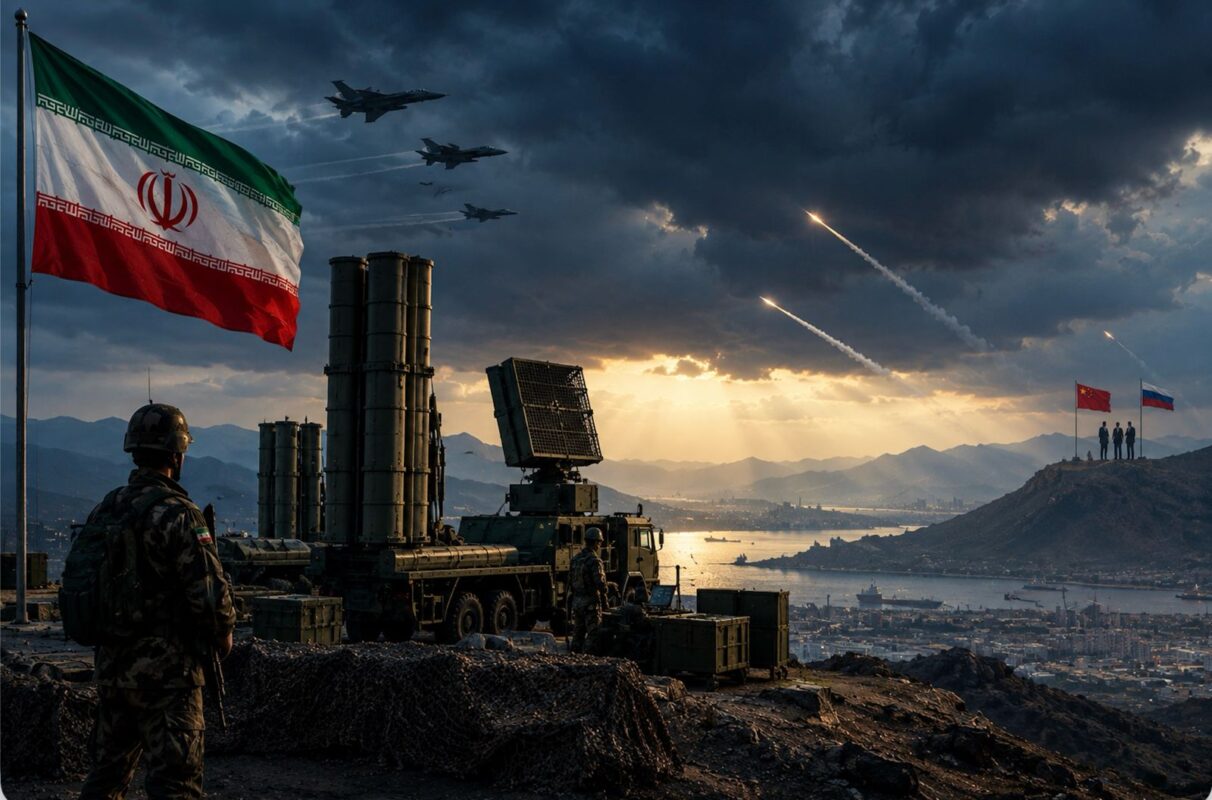
To counter domestic protests and internal unrest, the strategy of "forward escape"—resorting to war—may present itself to Iranian policymakers as a viable alternative: on the one hand, with the aim of potentially breaking the maritime blockade, and on the other, in an effort to consolidate national unity amid domestic disarray. The recent reshuffling of officials across various military and political echelons, along with the statements and threats issued by some of these figures, such as Major General Mohsen Rezaei, the new Secretary of Iran's Supreme National Security Council, against the U.S. maritime blockade, as well as their discussions regarding a possible shift in war strategy from a defensive to an offensive posture under the current critical and deadlocked circumstances, may well be indicative of this very reality. At the same time, from a perceptual standpoint, Iranian officials regard themselves as having emerged victorious from the 40-Day War of 2026; thus, from their perspective, achieving victory in a future conflict also remains conceivable. However, adopting such a strategy could risk provoking broader military strikes and even more severe economic pressure.
Internal Pressures and the Likely Inability of the US to Realise Its Political-Security Goals Via Naval Blockade: Although geo-strategists such as Alfred Thayer Mahan have conceptualised naval blockade as "the most prominent and formidable manifestation of sea power" functioning to constrict the economic lifeline of the adversary state and sever its external trade arteries, it must be recognised that a naval blockade constitutes a long-term strategy with, at best, a limited probability of success. Historical evidence from the contemporary era, with the exception of Japan—where the U.S. naval blockade contributed, to some extent, to economic disintegration and ultimate defeat in the Second World War—demonstrates that the majority of such blockades have proven unsuccessful. Notably, even Japan ultimately surrendered only following the U.S. atomic bombings.
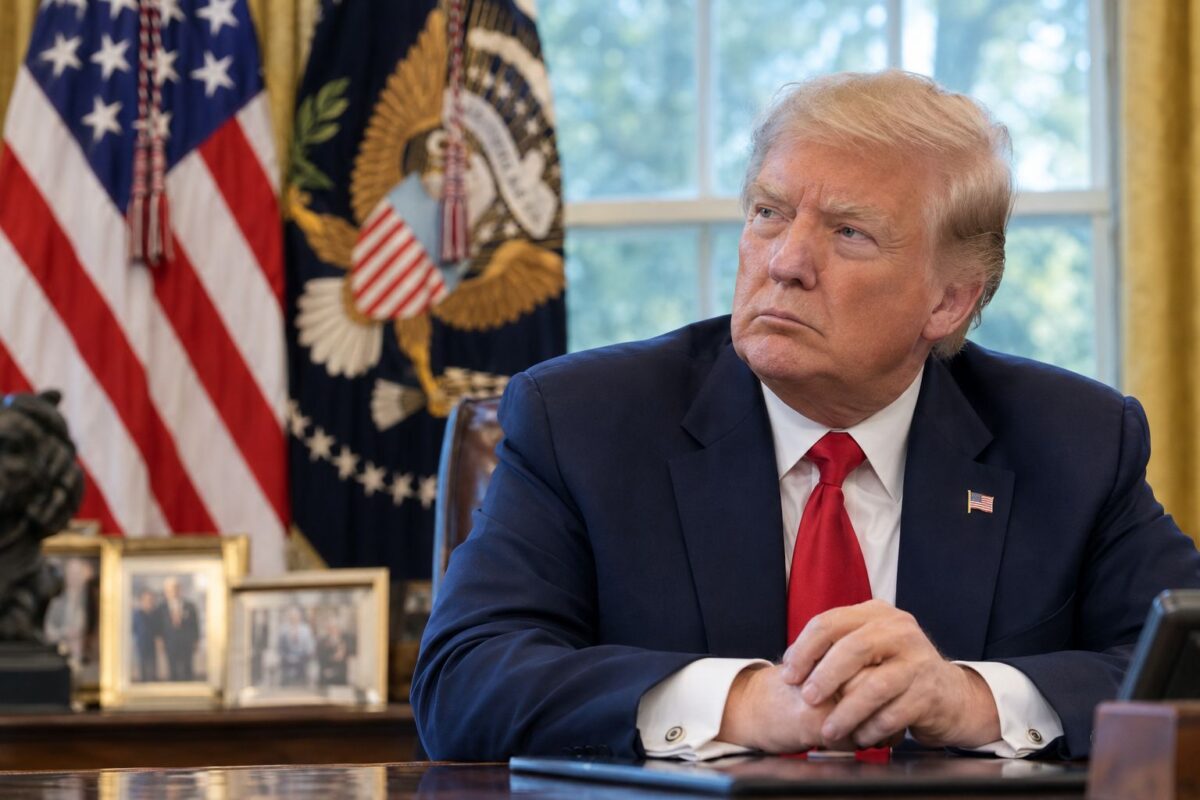
The US is unlikely to sustain a maritime blockade indefinitely. On the one hand, it would incur prohibitive costs in maintaining a naval interdiction campaign against Iran. On the other hand, historical evidence demonstrates that a maritime blockade, in isolation, is seldom sufficient to compel an adversary's capitulation. This is particularly salient given that the Trump administration is already beleaguered by multifaceted domestic political and economic pressures; under such circumstances, a new military conflict, preferably of short duration, could present itself as an expedient alternative. Furthermore, U.S.-Iranian friction over the Strait of Hormuz, coupled with Iran's retaliatory measures including restricting the passage of vessels belonging to Washington's Arab allies in the Persian Gulf, would inflict substantial economic damage on these states and could itself serve as a proximate catalyst for armed confrontation. Moreover, given the current impasse in which Tehran has refused Washington’s demand for unconditional surrender and the Islamabad Agreement has failed to establish a durable peace between the two nations, war may increasingly appear to be an unavoidable option.
Israel’s Insistence on Maximally Weakening Iran’s Military Power and Transforming the Country into a Fragile State: The survival of a militarily powerful Iran is not in the interest of the Israeli regime. Although the maritime blockade places Iran under substantial political-economic strain, the country’s offensive military capabilities continue to pose a credible threat to Israel. Indeed, from the perspective of Israel's political elite, the challenge posed by Iran’s military capabilities has by no means been neutralised, notwithstanding the damage inflicted upon Iran's military infrastructure during the 12-Day War of 2025 and the 40-Day War of 2026. Given the current window of opportunity presented by the Trump administration, they contend that Iran's military power must be eroded to the greatest possible extent. Concurrently, Israel's pronounced appetite for striking Iran's critical economic and industrial infrastructure with the overarching objective of comprehensively weakening the country, consigning it to protracted and deep-seated internal turmoil, and ultimately reducing it to a fragile state constitutes a potent driver for the initiation of a new war. In effect, for Israel, which remains a highly consequential and influential actor with regard to the Iranian file, the maritime blockade is little more than a protracted exercise in futility, one that will not yield the immediate and desired outcome sought by Tel Aviv. Ultimately, Israel will leverage its capacity to pressure the US into initiating a new war against Iran.
In sum, it can be asserted that the current ceasefire between Tehran and Washington–Tel Aviv is a temporary arrangement. Each of the contending parties, namely Iran, the US, and Israel, possesses both potential and actual reasons for initiating a new war—reasons that may appear rational and justifiable from their respective perspectives. To be sure, beyond the aforementioned factors, the potential for miscalculation by any of the actors involved, coupled with the emergence of other unpredictable variables amid the current turbulent and crisis-ridden environment, would further heighten the probability of armed conflict. In the present circumstances, achieving peace would require nothing short of a miracle.