
Related posts

Rivers as Leverage: India’s Suspension of the Indus Waters Treaty and the Logic of Hydro-Coercion in South Asia

Research ReportResearch Report/04/October/2026/London-Dialogue. 09 October 2026Authors: Dr Tahir Mahmood Azad, Dr Zia Ul Haque Shamsi, ...
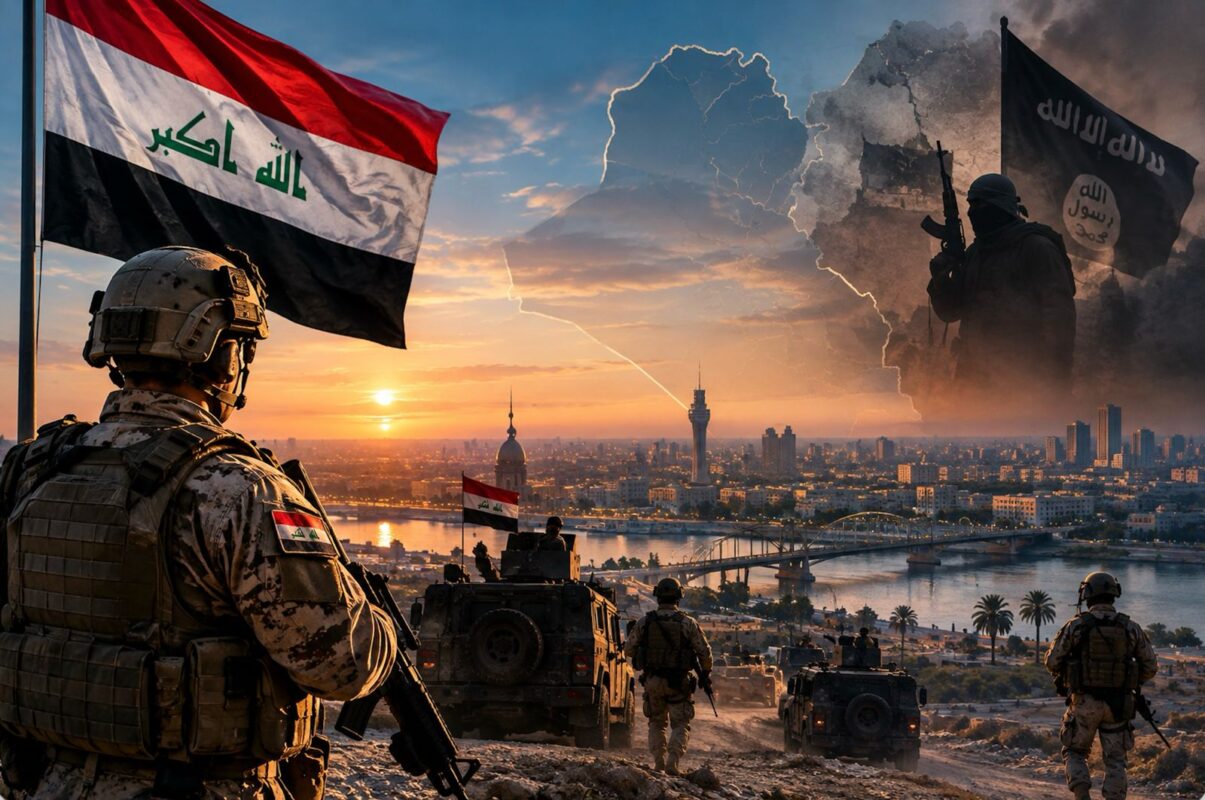
Iraq After Operation Inherent Resolve: Testing Security and State Control

Analysis SeriesAnalysis/0097/October/2026/London-Dialogue. 08 October 2026By Binar Faeq Karim
Abstract: The end of Operation Inhe...
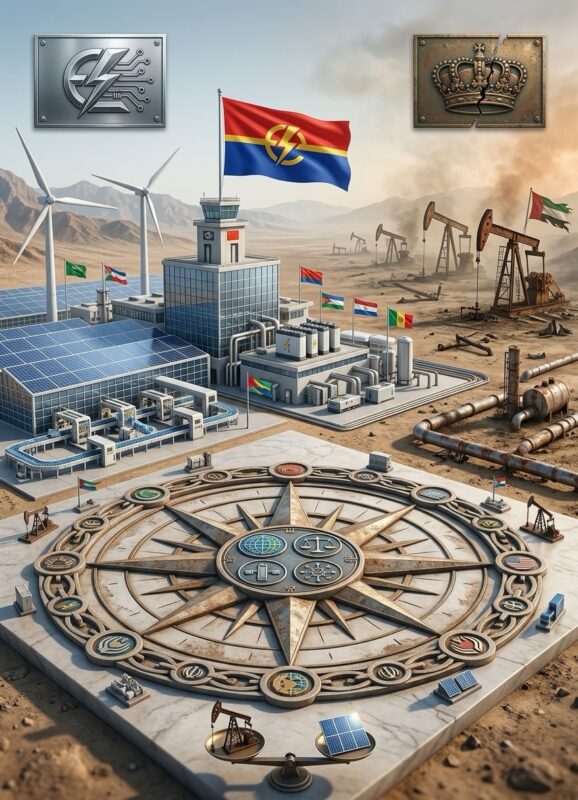
The Electrostate Thesis: Geopolitics, Clean Energy Dominance, and China’s New Global Leverage

Analysis SeriesAnalysis/0096/October/2026/London-Dialogue. 08 October 2026By Dr. Safdar Hussain
Introduction For much of the 20th...
A Last Open Letter to President Mr D. J. Trump
CommentaryCommentary/0006/October/2026/London-Dialogue. 07 October 2026
President Donald J. TrumpPresident of the United States of A...
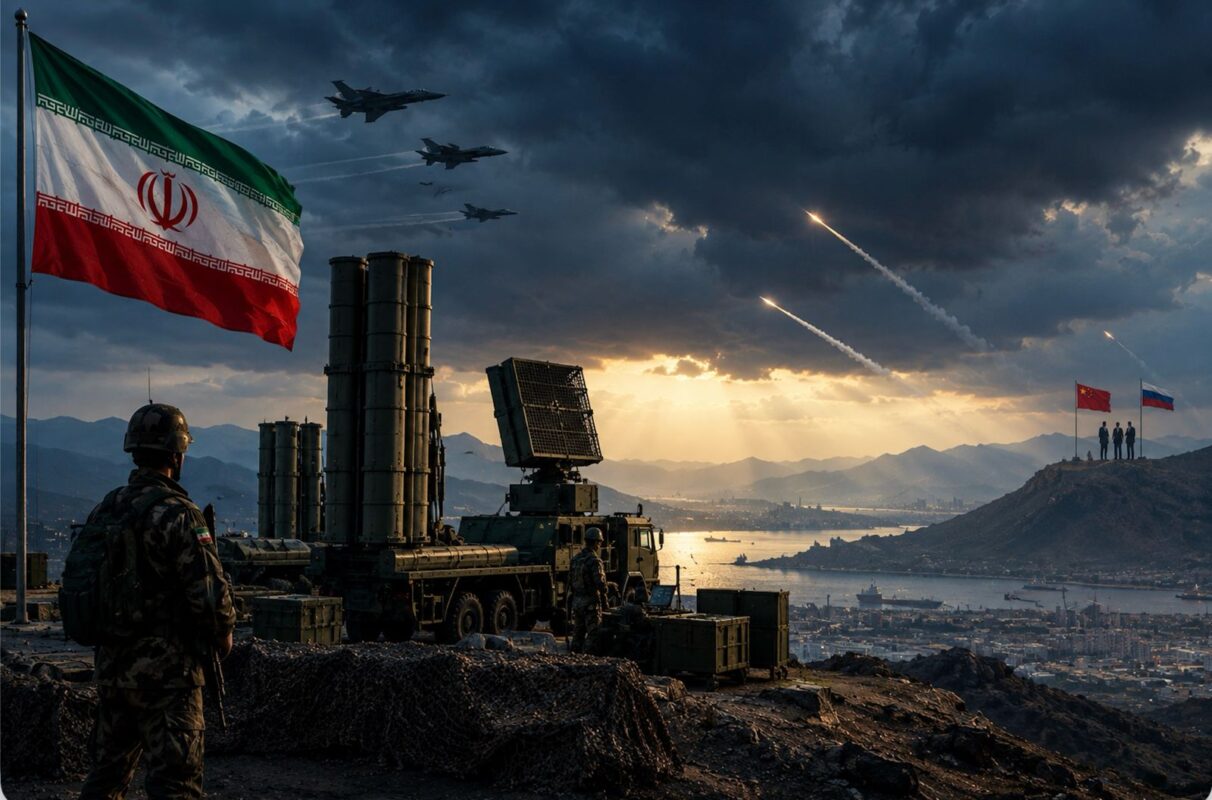
Iran’s Reliance on “Self-Defence” in the Shadow of “Strategic Loneliness”

Analysis SeriesAnalysis/0095/October/2026/London-Dialogue. 05 October 2026By Dr.Vali Kaleji“We do not have a military pact or strategic...
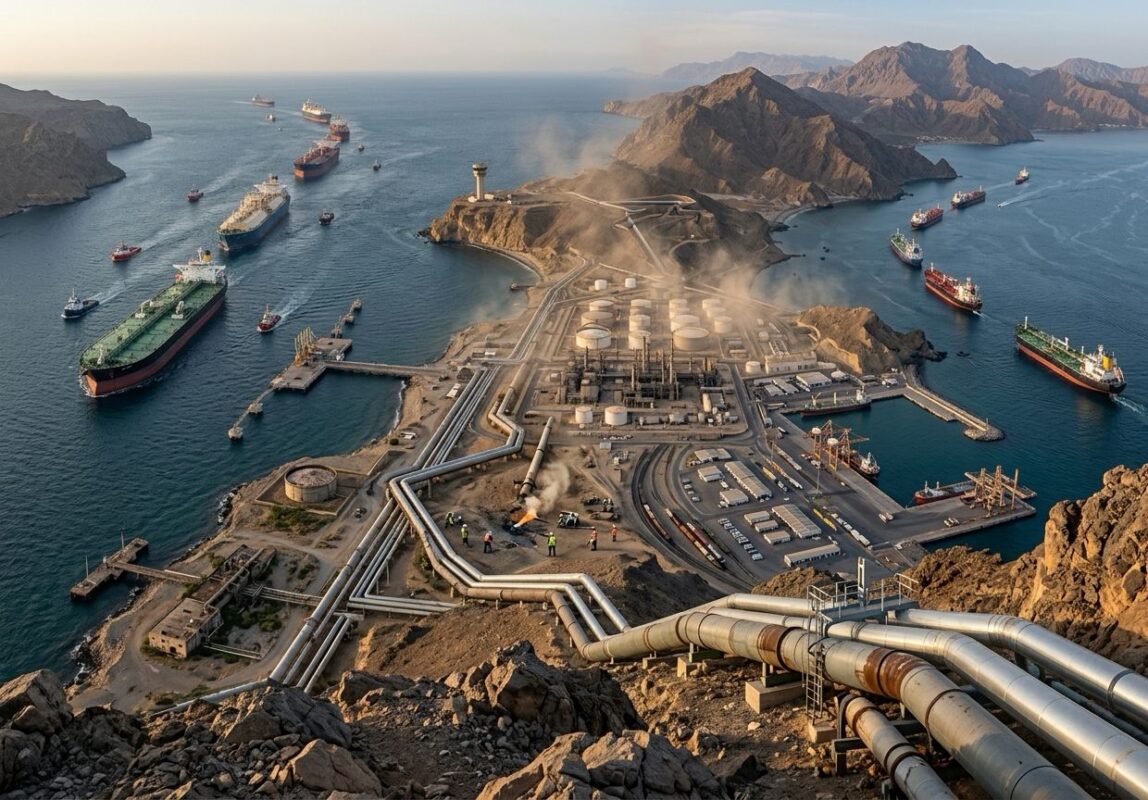
From Chokepoint Diversification to Coupling: Hormuz, Bab al-Mandab and the New Fragility of Gulf Energy Security

Analysis SeriesAnalysis/0094/October/2026/London-Dialogue. 01 October 2026By Prof. Dr. Abdullah Hemmet Abdullah
Abstract Gulf en...

Imran Khan’s Solitary Confinement and the Mandela Rules
Analysis SeriesAnalysis/0093/September/2026/London-Dialogue. 30 September 2026By Tahir AzadThe United Nations (UN) guide to the prison ...

The South Atlantic Flashpoint: Argentina Tests Britain, Chile, and the US

Policy Brief SeriesPolicy Brief/006/September/2026/London-Dialogue. 29 September 2026By Daniel AmicciIn mid-September 2026, an offhand ...
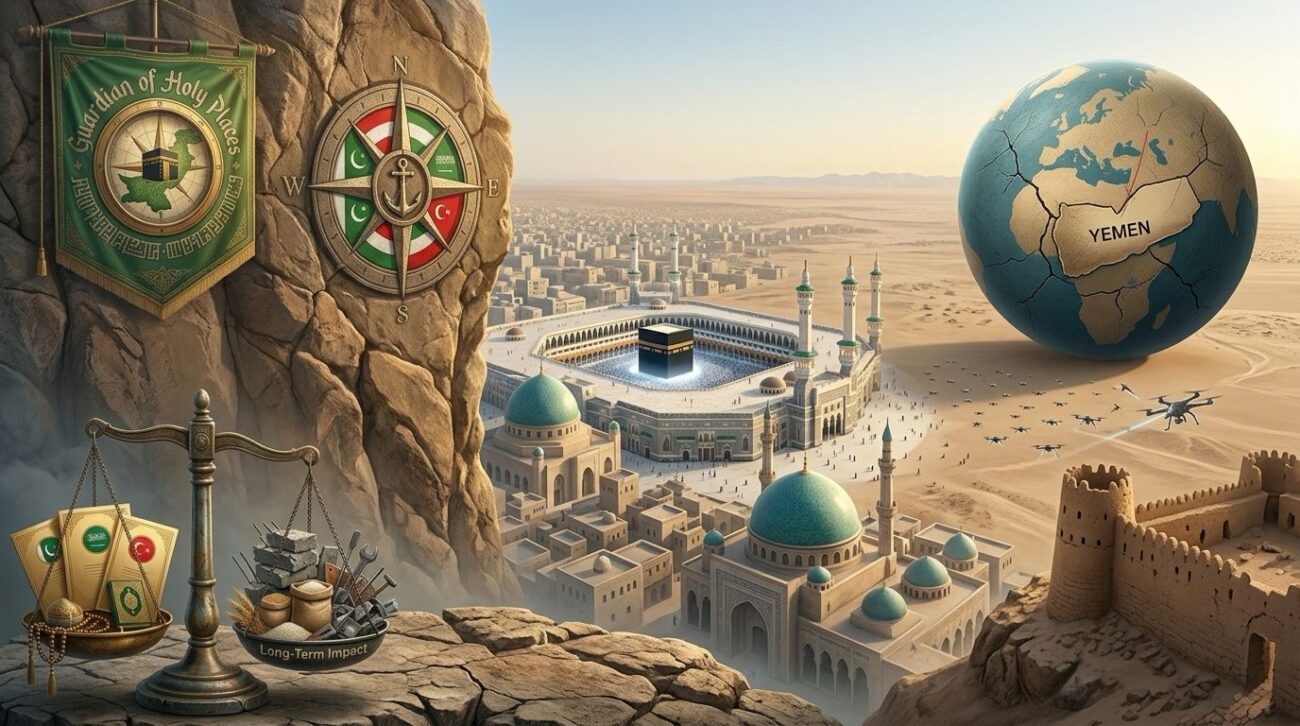
Religious Rhetoric Around the Mecca Defence Agreement and Its Long-Term Impacts for Pakistan

Analysis SeriesAnalysis/0092/September/2026/London-Dialogue. 29 September 2026By Dr. Tauseef Javed
Introduction States make polic...
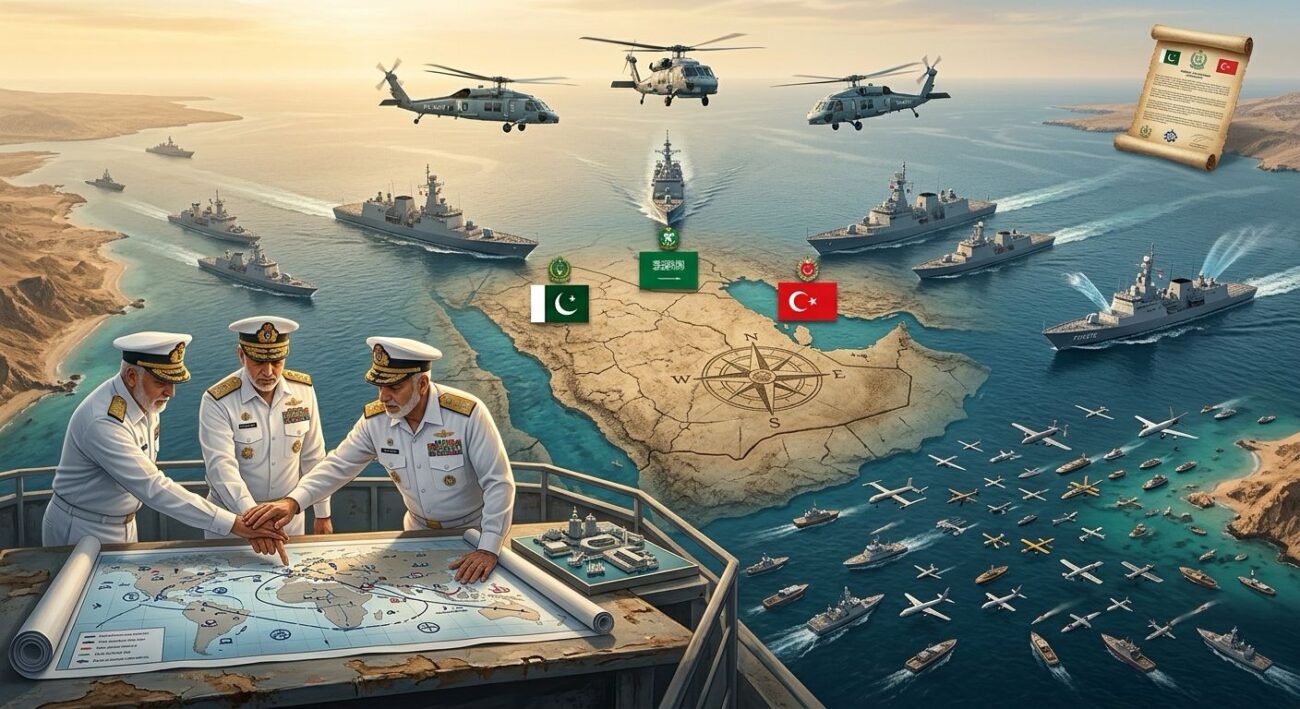
Operationalising The Maritime Dimension Of The Makkah Joint Defence Agreement

CommentaryCommentary/0005/September/2026/London-Dialogue. 28 September 2026By: Cdre Ehsan Ahmed Khan (Retd)
Operationalising The M...
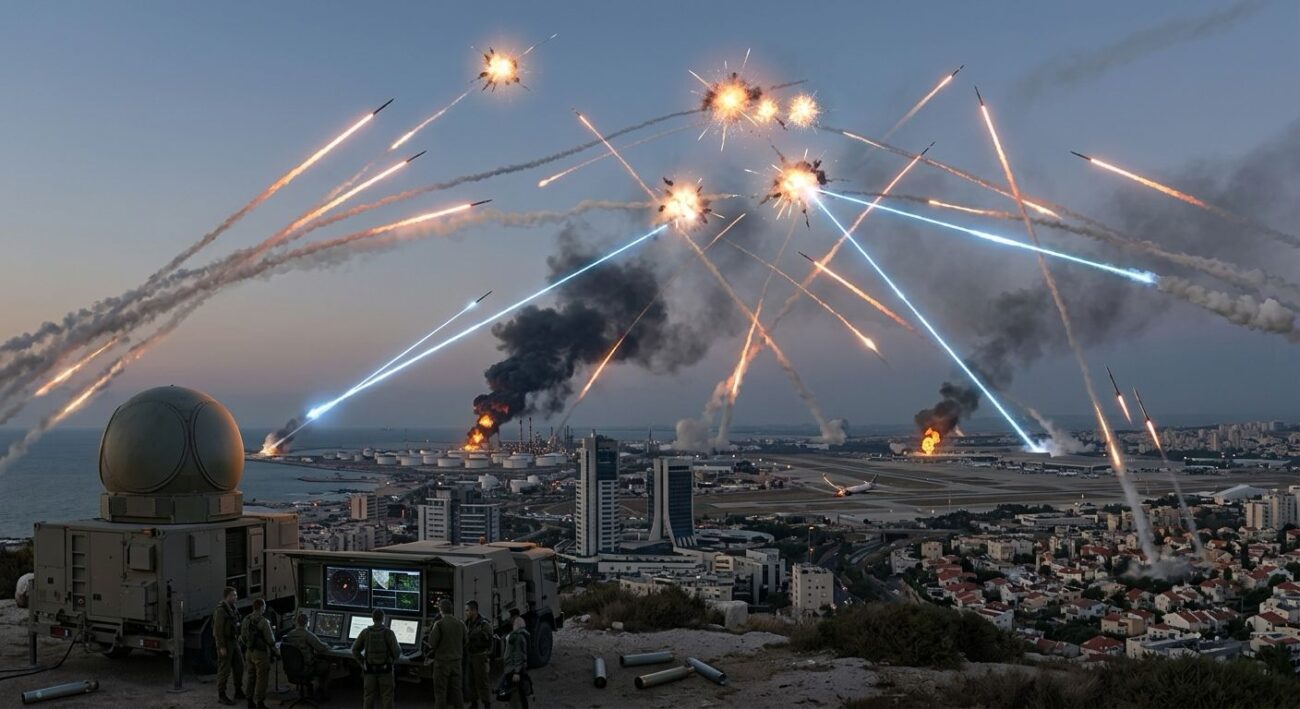
The Arithmetic of Saturation: What the Iran War Taught About the Limits of Layered Air Defence

Analysis SeriesAnalysis/0091/September/2026/London-Dialogue. 26 September 2026By Muhammad Waqas HaiderThe missile exchanges between Ira...
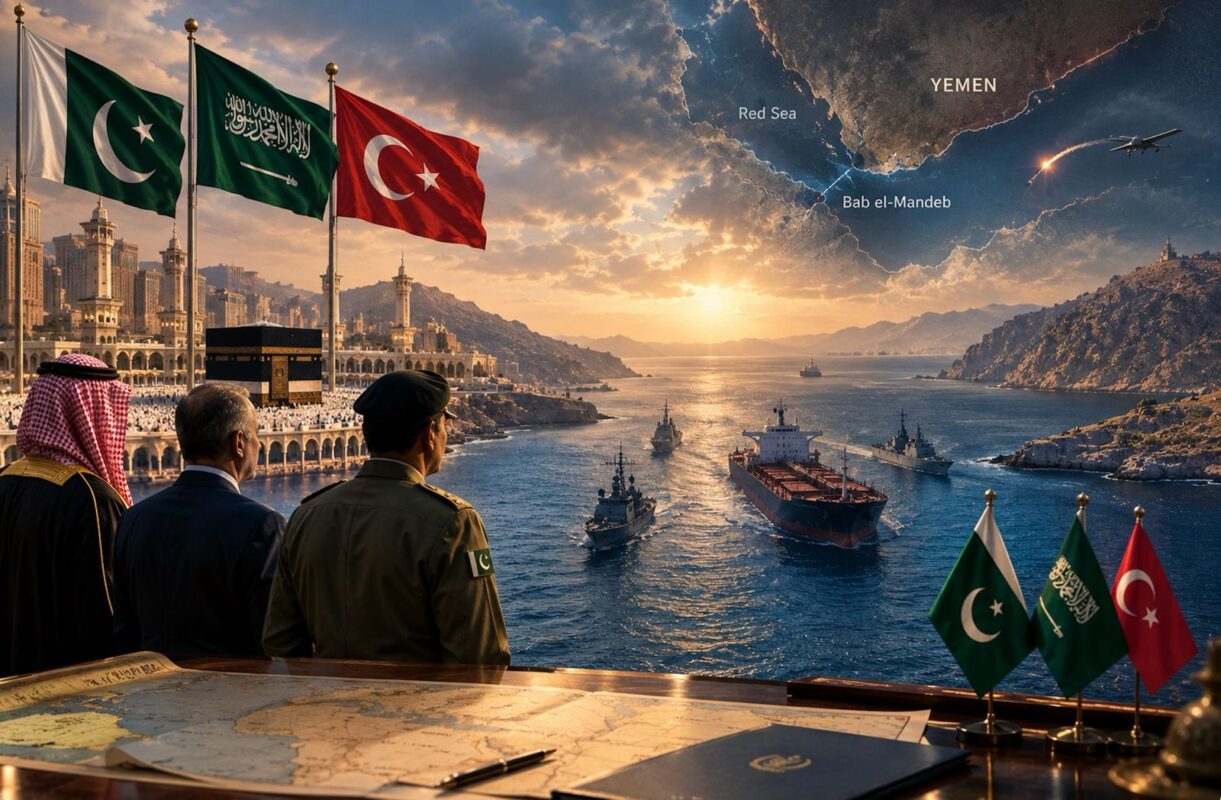
Beyond the Mecca Accord: Why Pakistan Must Choose Deterrence over Entanglement in Yemen

Analysis SeriesAnalysis/0090/September/2026/London-Dialogue. 26 September 2026By Dr Maryam Azam
Introduction The Mecca Joint Defe...