
Related posts
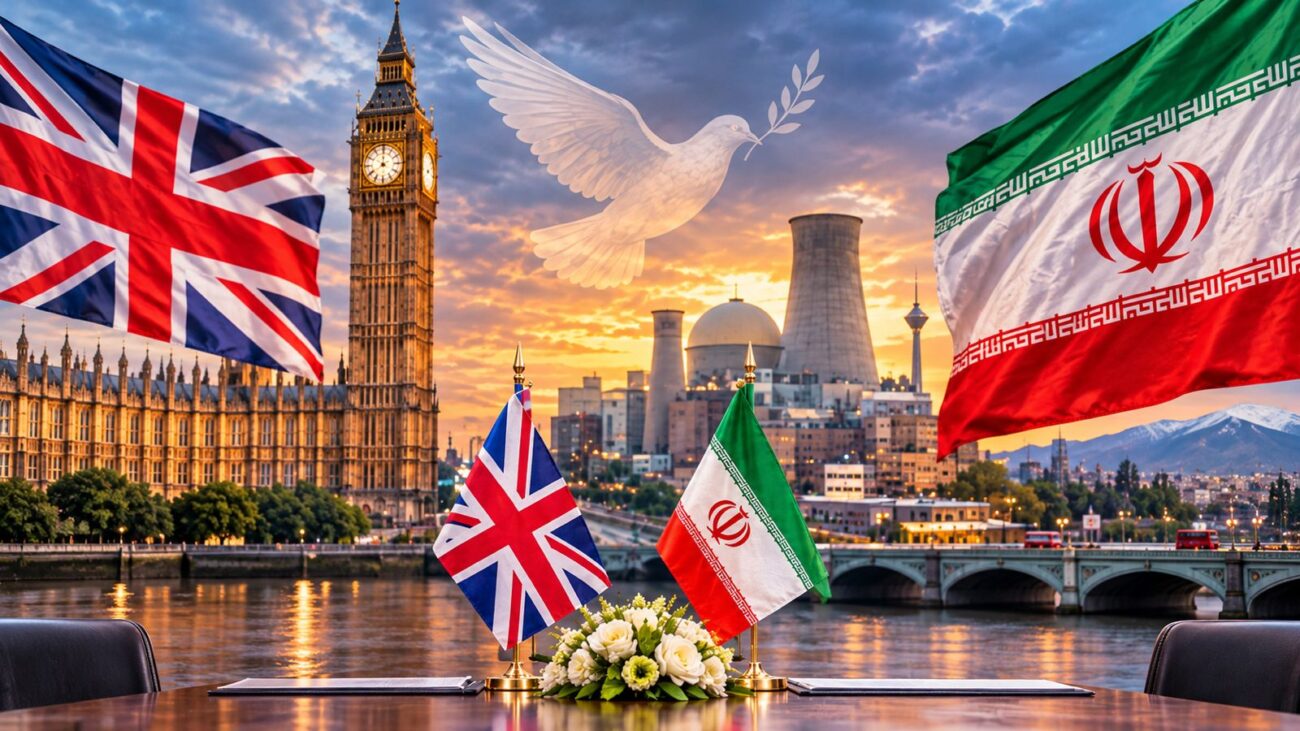
Can Britain Bring Iran Back to the Table?

Analysis SeriesAnalysis/0112/November/2026/London-Dialogue. 11 November 2026By Dr Tahir AzadFor eight months, serious diplomacy on the ...
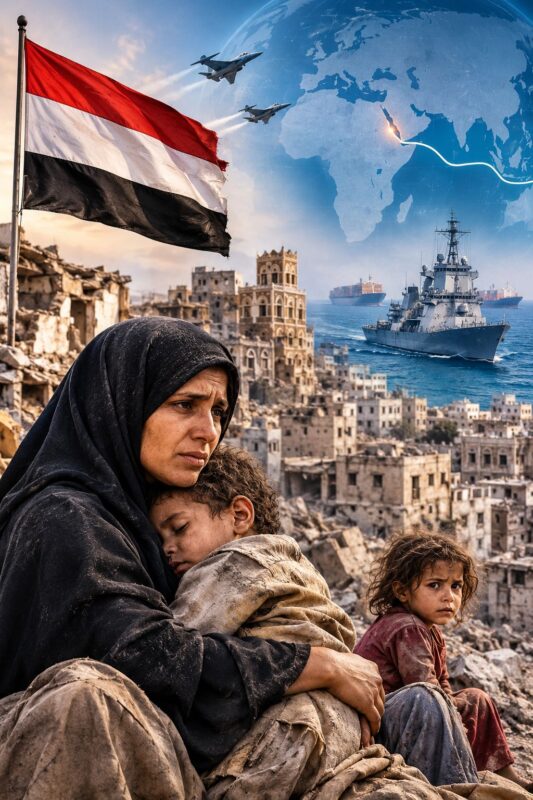
Yemen’s Forgotten Human Rights Crisis: Geopolitical Rivalries, Maritime Security and the Cost of War

Analysis SeriesAnalysis/0111/November/2026/London-Dialogue. 08 November 2026By Tamseel AqdasThe conflict in Yemen has increasingly beco...
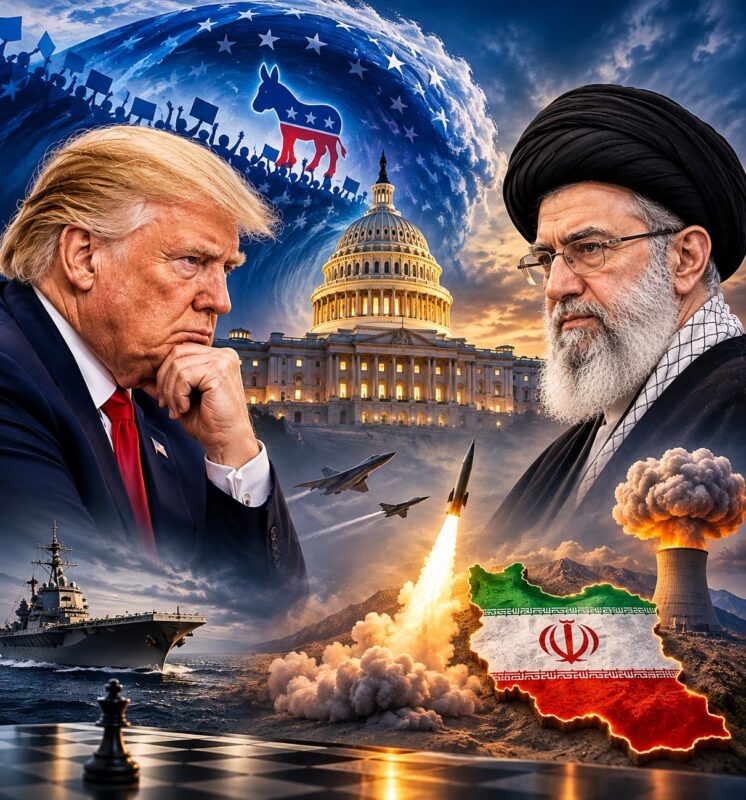
The Democratic ‘Tsunami’: What It Means for Trump’s War on Iran?

Analysis SeriesAnalysis/0110/November/2026/London-Dialogue. 06 November 2026By Prof. Dr. Abdullah Hemmet Abdullah
Abstract Democr...
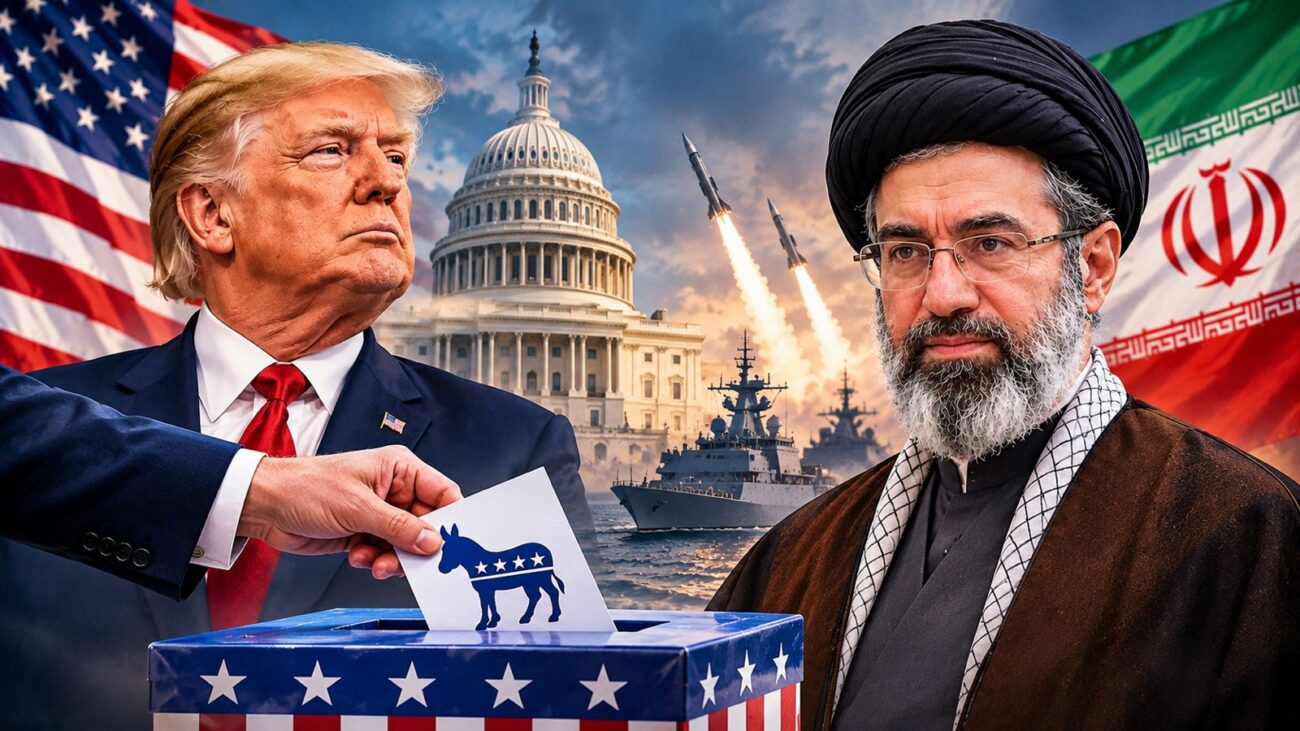
What the Democratic Sweep in the US Midterm Elections Means for Trump’s Iran Policy and Gulf Security

CommentaryCommentary/0008/November/2026/London-Dialogue. 05 November 2026By: Dr Kristian AlexanderDemocrats have won both chambers of C...
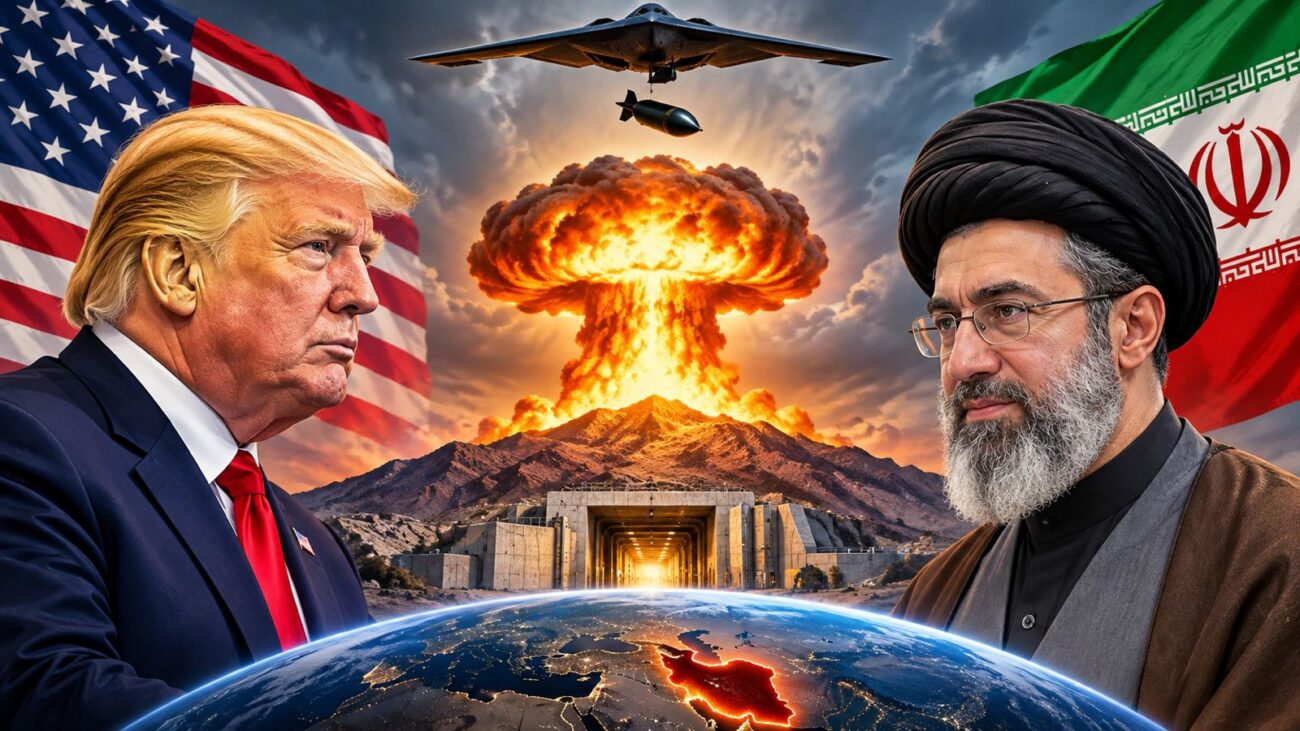
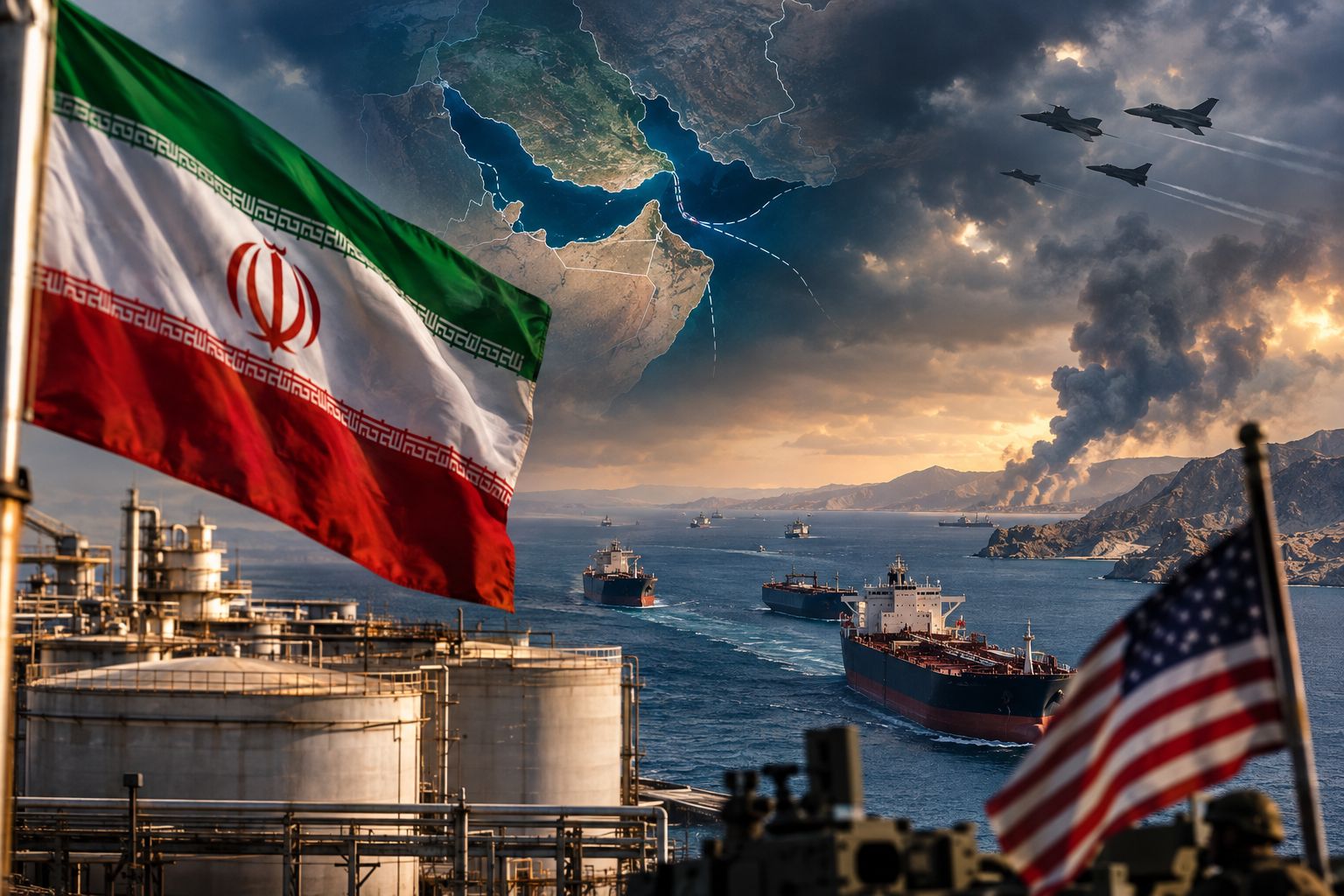
Breaking the Taboo: The Strategic Folly of a US Nuclear Strike on Iran
Analysis SeriesAnalysis/0109/November/2026/London-Dialogue. 04 November 2026By Dr Tahir AzadFor 81 years, no state has detonated a nucl...
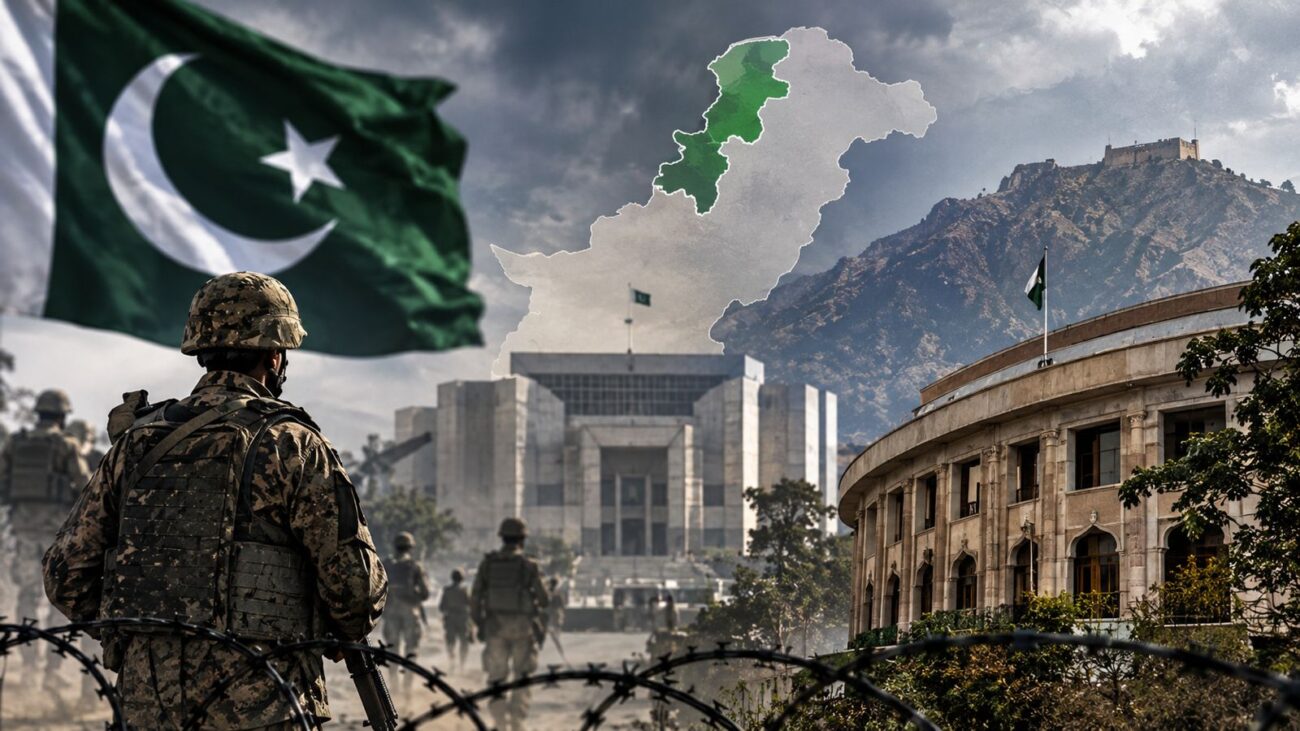
Blurred Lines: Federalism and Provincial Autonomy in Pakistan

Analysis SeriesAnalysis/0108/November/2026/London-Dialogue. 02 November 2026By Dr Tauseef Javed
Introduction The imposition of a ...
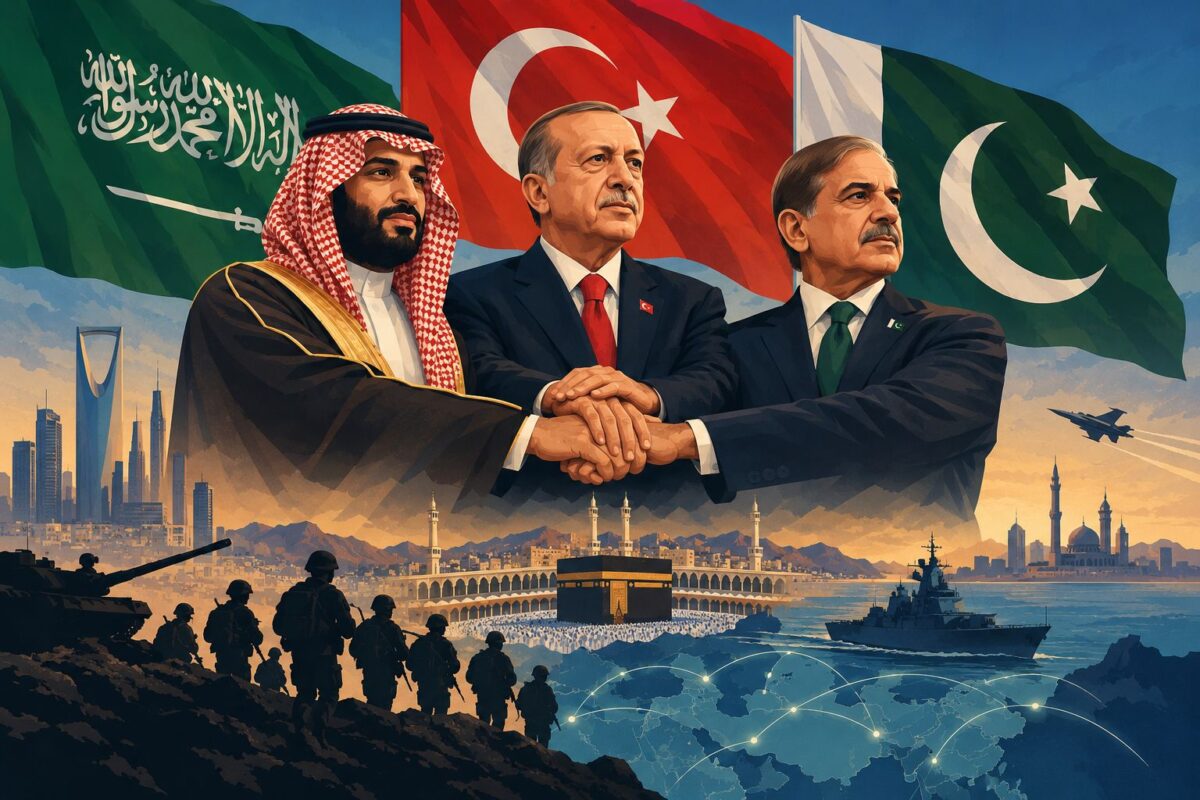
Paper Shields: The Makkah Pact and the Hard Test of Collective Defence

Essay SeriesEssay /019/October/2026/London-Dialogue. 31 October 2026Author: Muhammad Waqas Haider
Paper Shields: The Makkah Pact a...
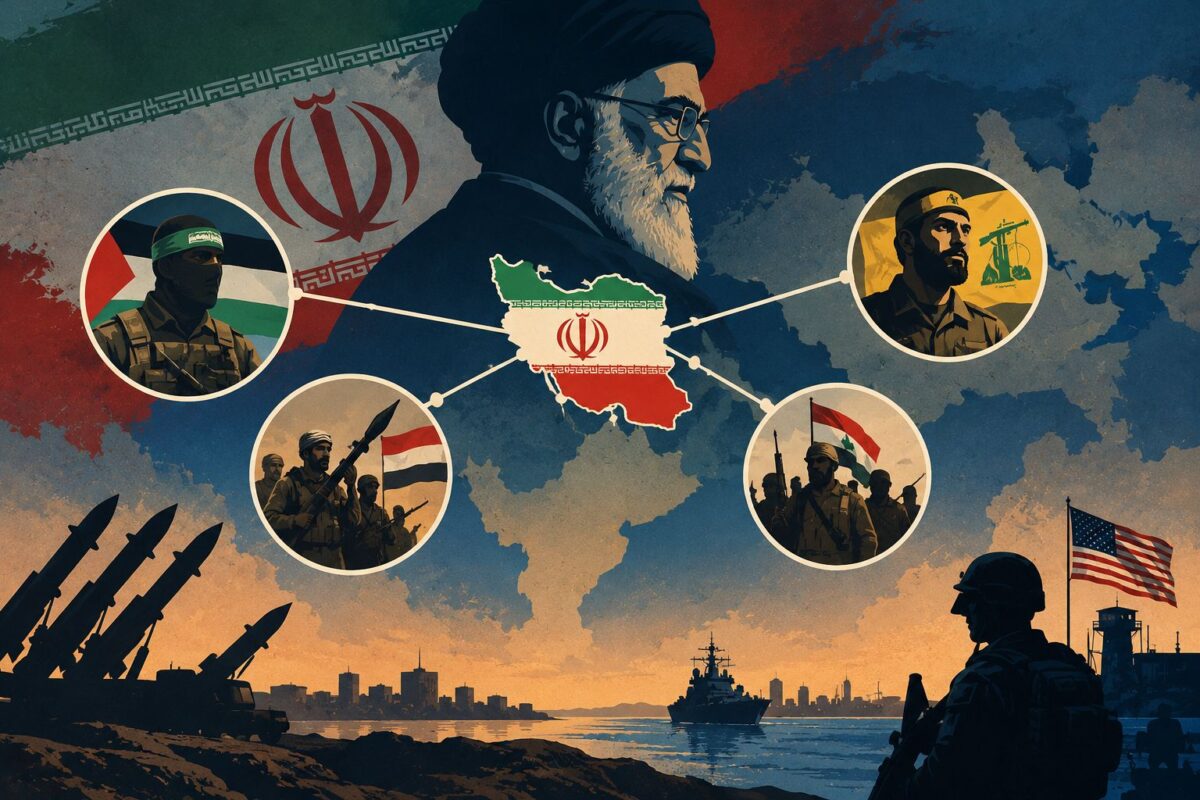
Iran’s Axis of Resistance Now: Less Than an Axis, More Than Resistance?

Essay SeriesEssay /018/October/2026/London-Dialogue. 31 October 2026Author:By Benedict Moleta
Iran’s Axis of Resistance Now: Less ...

Leading through Uncertainty: Building Resilient Interdependence in a Multipolar World

Analysis SeriesAnalysis/0107/October/2026/London-Dialogue. 31 October 2026By Dr Aamna KhanManaging crises will not be the only defining...
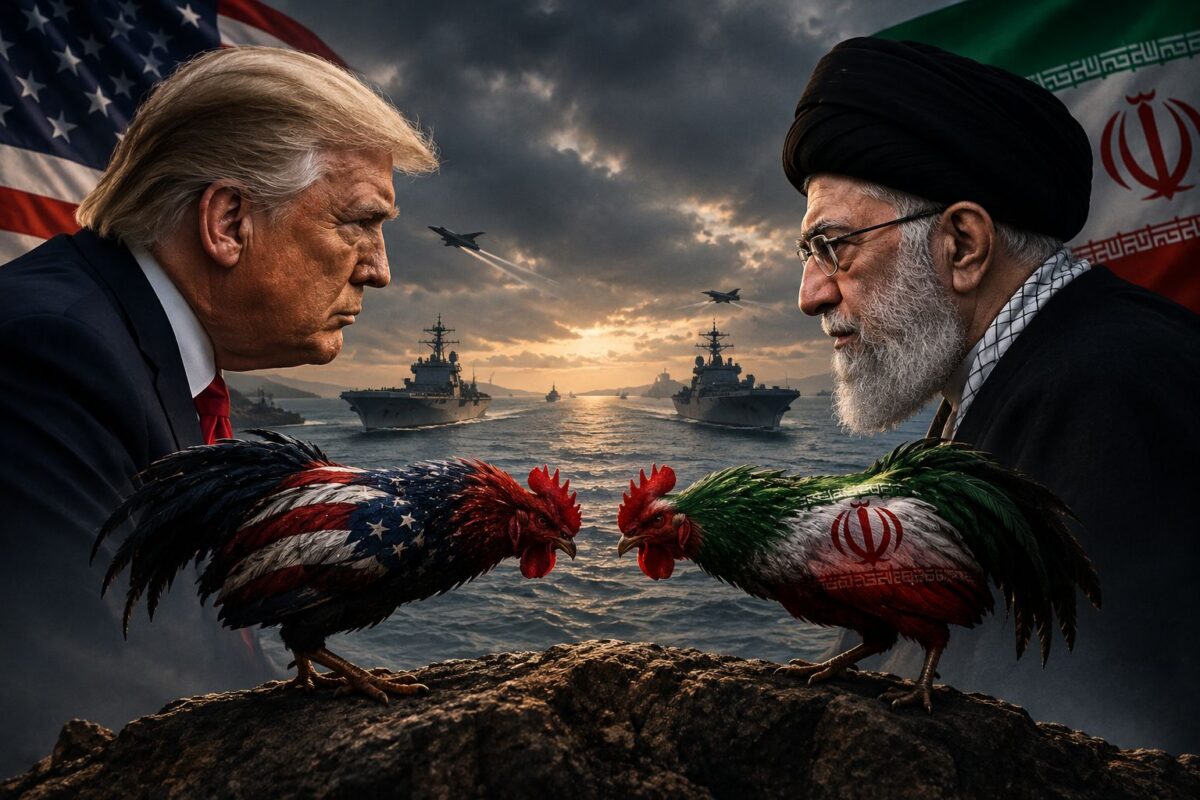
Why Does the Game of Chicken Between Iran and the United States Keep Going?

Essay SeriesEssay /017/October/2026/London-Dialogue. 29 October 2026Author: Dr Majid Dashtgard
Why Does the Game of Chicken Betwee...
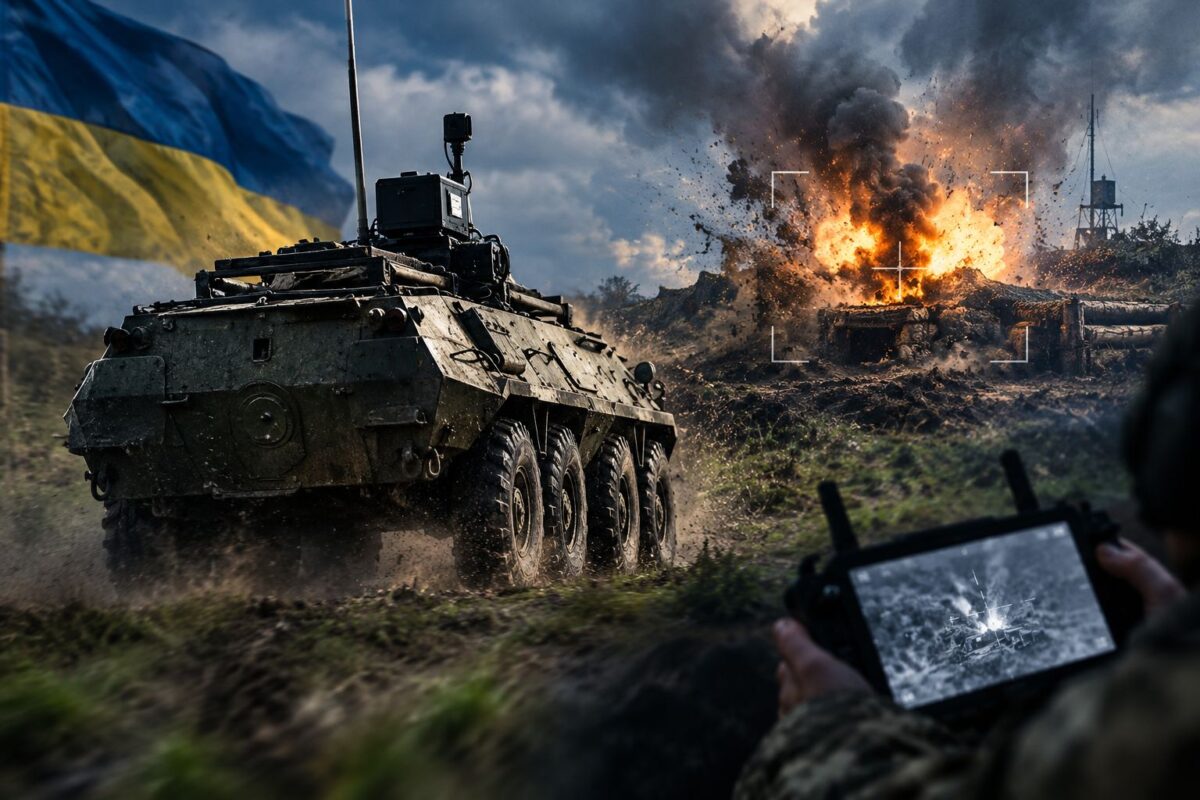
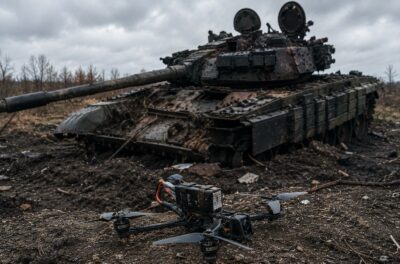
Trojan APCs: Ukraine’s Kamikaze BTR-60s in Operation Vivaldi

Analysis SeriesAnalysis/0106/October/2026/London-Dialogue. 29 October 2026By Viktor TrumbetasDuring the third phase of Operation Vivald...
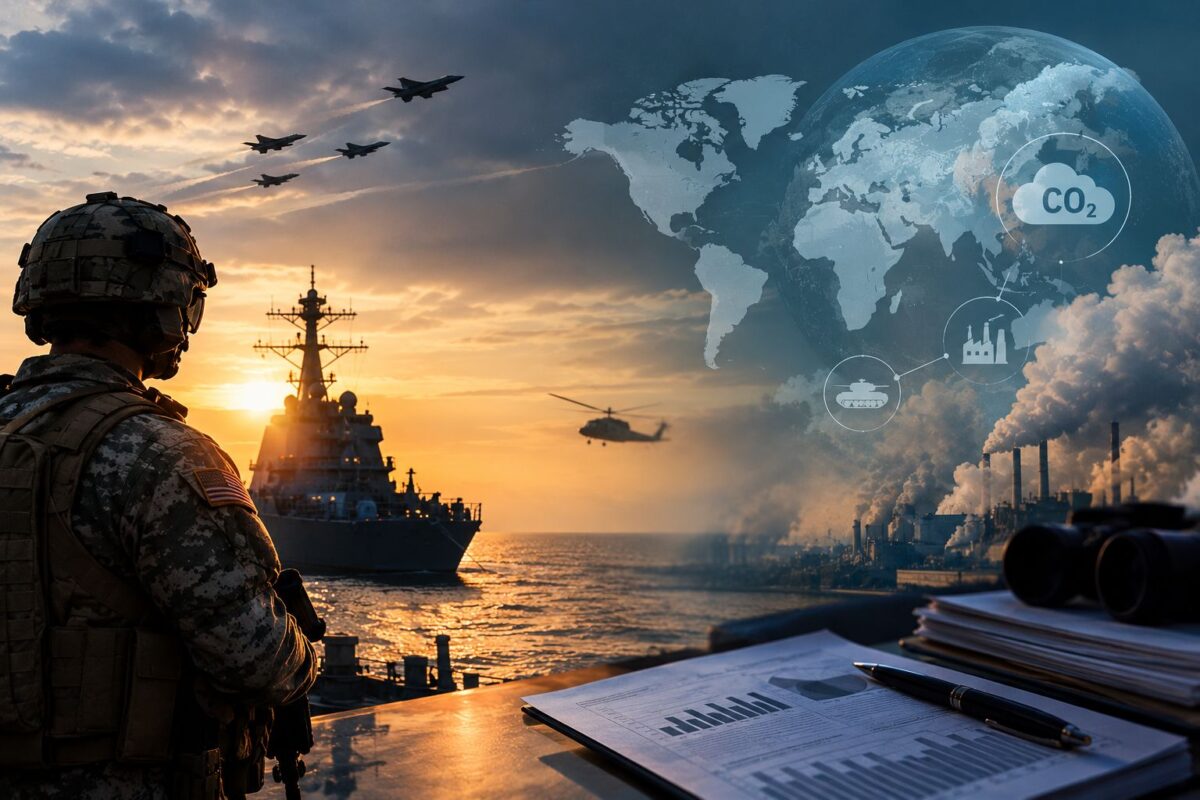
The Emissions We Do Not Count: Militaries and the Missing Climate Ledger

Analysis SeriesAnalysis/0105/October/2026/London-Dialogue. 26 October 2026By Cde Ehsan Ahmed Khan SI (M) RetdEvery navy keeps a careful...