Analysis Series
Analysis/0084/September/2026/London-Dialogue. 17 September 2026
Author: By Sarmad Zia
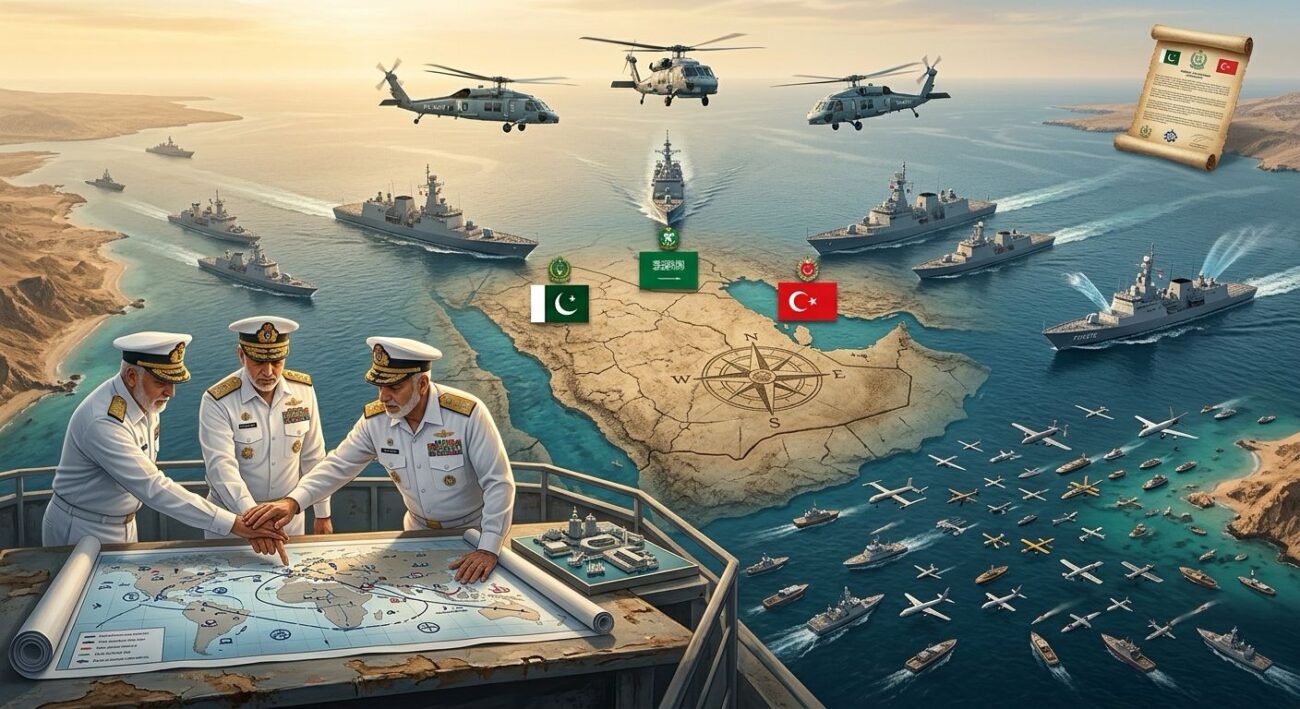
Defence agreements in the modern international system ought to be assessed less through an emotional lens and more through a prism of strategic practicality. There have been several analyses, both offered by the states and certain policy circles, over the past month, discussing the Pakistan-Saudi-Türkiye Defence Agreement through the lens of “Muslim Ummah” united or three “brothers” coming together. There have long been proponents of a unified defence for the Muslim countries and attempts to turn this concept into a reality have largely failed or fizzled out despite starting with a bang. A prime example of this was the Islamic Military Counter Terrorism Coalition (IMCTC), which started with much fanfare but has since evolved into a platform for coordination and capacity building rather than an operational military alliance, as some initially envisaged.
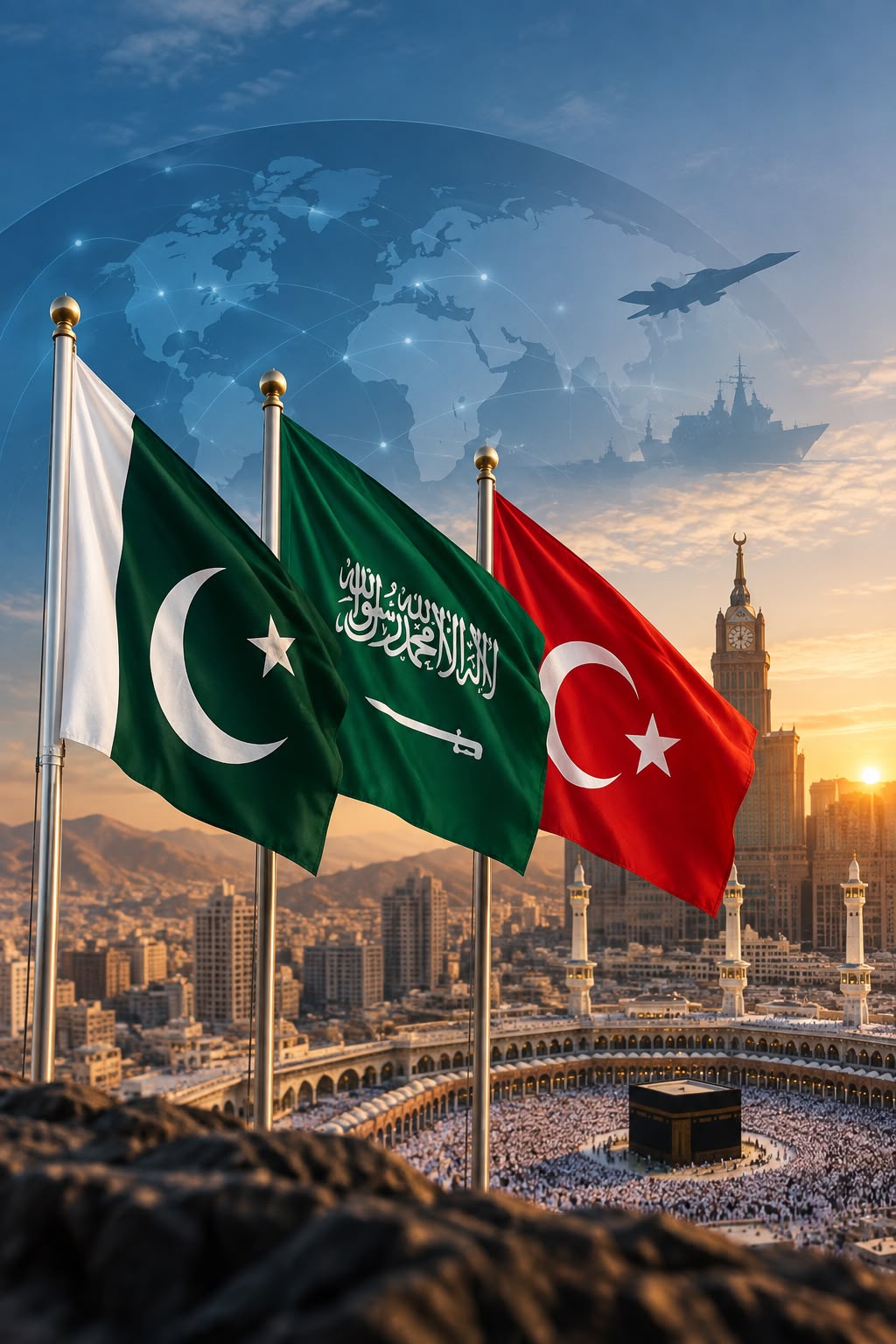
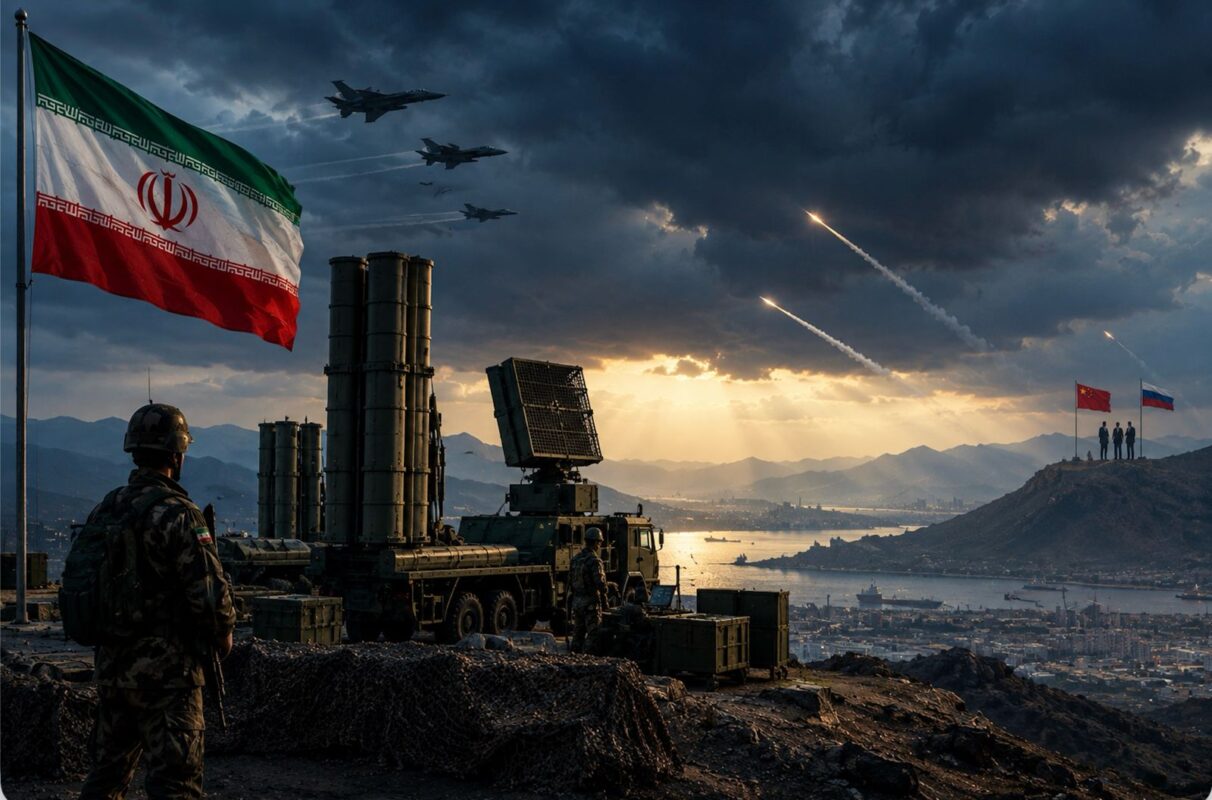
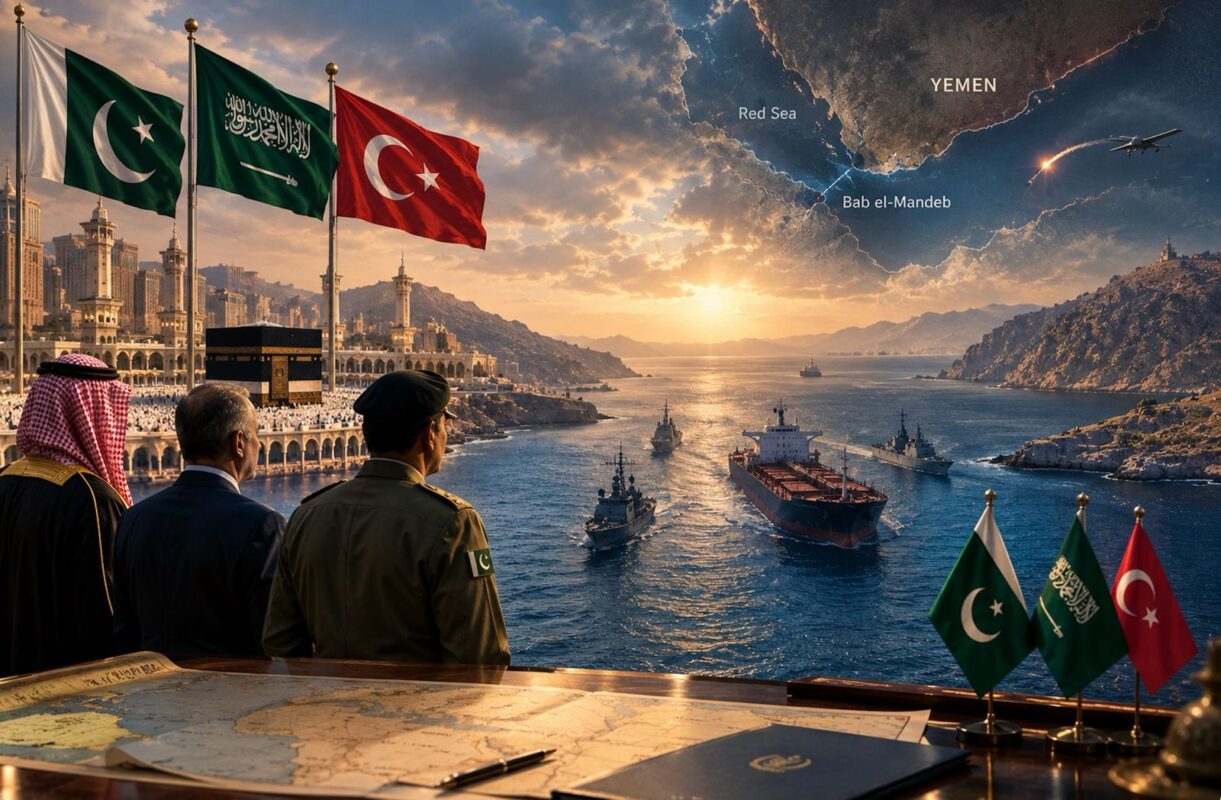
It is argued that this agreement—known as the Mecca Joint Defence Agreement (MJDA), which takes its roots from the Strategic Mutual Defence Agreement (SMDA) signed by Pakistan and Saudi Arabia in September 2025—is based on rationality, mutual understanding, and it is the need of the hour. It is therefore important to understand how this agreement fits into the current and emerging regional and global milieu. The US-Iran conflict has now entered its seventh month, despite promises and sloganeering announcing a swift end to the conflict with a decisive victory for the umpteenth time. Iran’s response to the US has come in the form of attacking its bases in the neighbouring Arab countries.
This has since led to discussions on how to resolve this issue—given the reluctance, or perhaps rational calculation, by the Arab states to retaliate and embroil themselves in the ongoing conflict. The Arab states now face a quadrilemma:
One, do they continue to rely on the US diplomatic and security assurances such that their interests, sovereignty and territorial integrity will be protected by the US in the form of deterrence (even if it is somewhat recessed now), air defence, intelligence, force projection, early warning and, of course, physical protection of host territories?
Two, do they allow the continued presence of US physical bases which primarily serve Washington’s interests in the region while accepting that such basing does not necessarily entail a corresponding US commitment to the defence of the host country which essentially means that a US base may not guarantee any automatic protection?
Three, should the Arab states bolster their indigenous defence apparatuses to become independent of requiring regional or international alliances which have little to offer and have, in some respects, become more of a liability than an asset?
Or four, create new alliances, based on mutual benefit, which serve all states party to an alliance or pact rather than just some of them?
To answer, Arab states' dependence on the United States—which has embroiled itself in several unnecessary engagements that have, over time, diminished its stature as a credible partner and reduced its strategic influence—has proved less effective than promised.
Moreover, the attacks by Iran have reinforced concerns among some Arab states that they could become collateral damage in a conflict in which their own strategic interests do not necessarily align with those of their security partners, as calls for an end to conflict have fallen on deaf ears. They have found the interests of Washington and Tel Aviv may at times take precedence over the security preferences of their Arab partners, and any further reliance on the US would be tantamount to being “fooled twice”. A clear example is the continuation of hostilities despite signing the Islamabad Memorandum of Understanding, which clearly provided an off-ramp and a framework for further dialogue.
Moreover, the issue of keeping US bases on their soil has proved to be counterproductive, with little to offer in terms of protection against Iranian onslaught, which did not stop at the bases and often found its way into civilian parts of the cities, a feature of war which cannot be controlled. Discussion about the future of US bases in the Middle East is also underway in Washington, with the likelihood of moving the bases westwards.
The idea of self-reliance, at the current stage, also seems difficult to realise and the last option is to resort to an alliance that actually caters to their comprehensive security and not just some facets of it. The Arab states can work towards indigenous military-industrial complex, training, exercises and in effect, a comprehensive defence apparatus, which of course, would take considerable time along with an injection of resources, capital, and manpower along with a commitment to achieve these objectives.
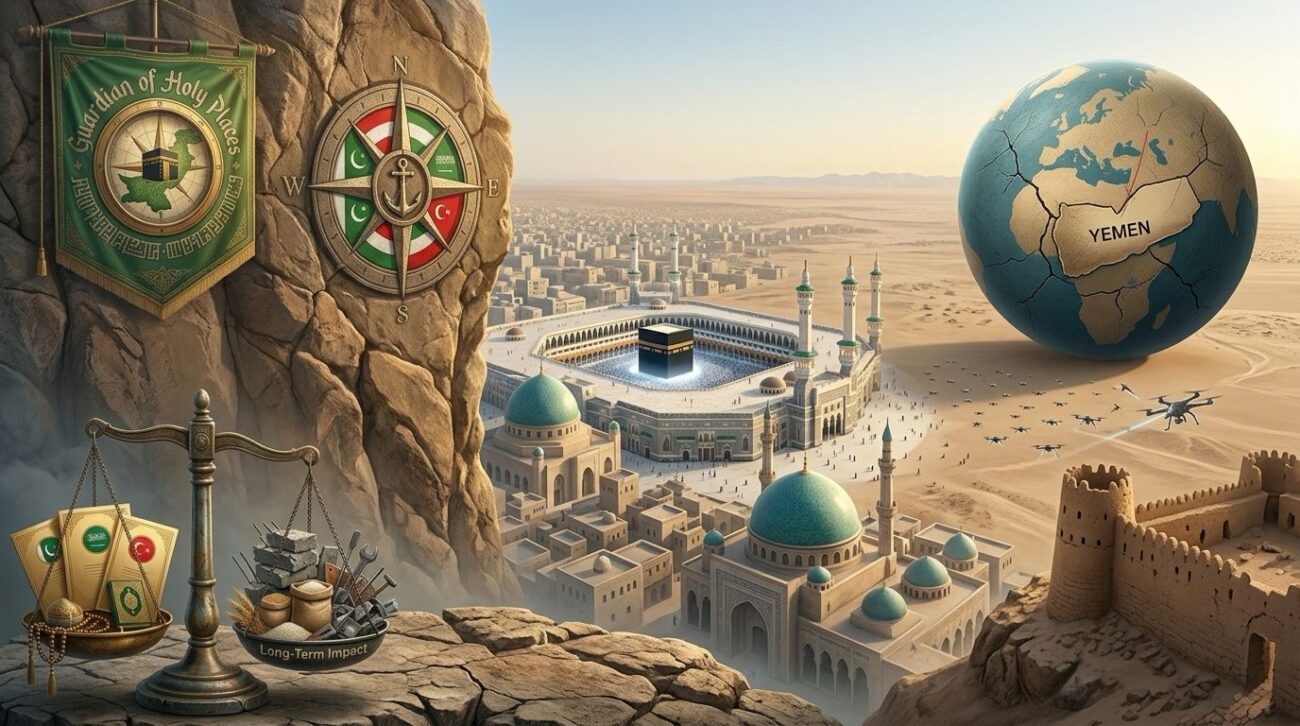
In light of these, MJDA has surfaced as a rational choice, given Pakistan’s longstanding defence relationship with Saudi Arabia with nearly 1600 personnel stationed in the country and a more recent deployment includes 8,000 troops, JF-17 jets, drones, HQ-9 air defence system. With Türkiye’s large indigenous technological and defence-industrial complex, it offers a unique dimension into this pact. Türkiye’s experience as North Atlantic Treaty Organisation’s (NATO) member coupled with its substantial military capabilities, NATO interoperability, operational experience, and experience of operating within such alliances structures is an asset. Both Pakistan and Saudi Arabia have an opportunity to learn and gain from Türkiye’s technological prowess, its position in the Eurasian and Eastern Mediterranean security environments, and its NATO interoperability and operational experience. Türkiye’s threat spectrum is not limited to just Kurdish separatists but also increasingly factors in a deteriorating relationship with Israel. Israel’s deepening strategic relationship with the Republic of Cyprus—which Ankara lays claim to—adds another layer to its already complex and increasingly adversarial relationship with Ankara, especially as Greece, Cyprus, and Israel expand cooperation in defence, energy, and maritime security.
Pakistan and Türkiye have a mature defence cooperation system in place, which has, in effect, been instrumental in the signing of this pact. This relationship which started with procurement from Türkiye, has since transitioned into technology transfer allowing for indigenous production and co-production, rather than continued reliance in the areas of Artificial intelligence, autonomous weapons, electronic warfare, naval assets, air force modernisation as well as training and military exercise. This pact will further enhance their defence relationship. Ankara’s security calculus differs from Pakistan's and Saudi Arabia's; however, the essence of the conflict remains the same. Kurdish armed groups in Syria pose a significant challenge to its security and stability. Pakistan’s experience of counter-terrorism, militancy, insurgency, and separatism for over twenty years has afforded it an institutionalised system which Turkish armed forces can potentially draw from training, exercises and capacity building, which can enhance their understanding and skill set to address such threats.
This agreement has also formalised Türkiye’s expanding role in the Middle East and provided Türkiye a strategic foothold in the region in the form of a strategic partnership with Saudi Arabia.
For Pakistan, this comes at a time, when its expanding role in the Middle East is being welcomed but also viewed sceptically; nevertheless, this defence pact with Saudi Arabia has formalised its role and afforded it a new strategic and operational platform. It will also provide a fresh injection of capital into Pakistan’s economy, both through payment for troop deployment and as a new bargaining chip for loans from Saudi Arabia.
The pact will face some obvious challenges, however. The absence of MJDA’s publicly available text leaves considerable room for the three states to negotiate the scope and implementation of their commitments as the alliance develops. This ambiguity allows these three states to continue discussions on a broader and evolving spectrum of threats without mounting public pressure. Conversely, the lack of a publicly available text raises questions about the depth and credibility of their commitments. It is unclear whether these states are ready to undertake binding obligations to come to one another’s aid, or whether this pact will become just another political commitment with limited practical utility. The nuclear angle, largely debated in policy circles, remains important. Critics may argue that unavailability of a formal text could possibly point towards inclusion of a nuclear option, akin to that of NATO. The possibility of its inclusion, however, should be treated with caution as Pakistan’s nuclear capability has historically been India-specific and has consistently stated that its nuclear program is to deter aggression by India. This leaves little room for speculation vis-à-vis the inclusion or extension of the nuclear umbrella.
On the other hand, it is equally important to note that the founders of this agreement, Pakistan, Saudi Arabia, and Türkiye, have multiple layers of institutional, legal, and political mechanisms, all of which require open and nuanced conversations.
First, they must review, negotiate, and agree on each state's threat perception and what kind and level of kinetic response it would warrant, as well as what they could offer. Second, a harder operational question remains: which branch of the forces would be committed, at what force levels, and for how long. Thirdly and equally sensitive is the important question of framing: how would each state characterise its involvement publicly, given that diplomatic and domestic optics would rarely align neatly across the three state capitals. All three states have their own pool of complex internal and external challenges, some of which require extreme caution, especially regarding religious, sectarian, and ethnic considerations. Fourthly, this will also involve difficult discussions on commitment regarding defence expenditure, utilisation of arsenal, international commitments or limitations on use of certain defence equipment and weapons.
Lastly, the alliance will be tested by how these countries accommodate each other’s existing relationship with third countries. In an increasingly multi-vector international system, states increasingly recognise that strategic partnerships cannot be treated as zero-sum choices. The credibility of the alliance will, therefore, depend partly on whether the members can deepen collective defence without forcing each other into mutually exclusive strategic camps. Similarly, it has to be seen how these states perceive, prioritise and respond to the individual threats faced by each member, particularly given they may not share identical threat perception. It will also be important to examine the agreement in the context of one member’s adversarial relationship with a third country with which the other members maintain significant diplomatic, economic and strategic relations, particularly in the case of Pakistan’s longstanding adversarial relationship with India. Whether Saudi Arabia and Türkiye would be willing to lend Pakistan the same level of military and political support in an India-related contingency which they would expect from Pakistan to provide in response to their own security challenges.
Nevertheless, while these issues are important to discuss and may already have been discussed at length in the echelons of power, the agreement will be judged by how it reconciles these three divergent security imperatives and threat environments under a single security framework. The Houthis remain a potent threat to Saudi Arabia; militant groups in Pakistan’s north and southwest, alongside the enduring challenge posed by India to the east, continue to test Pakistan; while an increasingly assertive Israel and Kurdish armed groups present significant security challenges for Türkiye. Whether the MJDA endures as a credible security architecture or drifts toward the fate of the IMCTC will not be decided by rhetoric, invocations of the “Ummah,” or passionate commentators, but by how Pakistan, Saudi Arabia, and Türkiye resolve these practical questions and translate political commitments into credible action.