Publications

Leading through Uncertainty: Building Resilient Interdependence in a Multipolar World

Picture of Dr Aamna Khan

Dr Aamna Khan

Analysis Series

Analysis/0107/October/2026/London-Dialogue. 31 October 2026

By Dr Aamna Khan

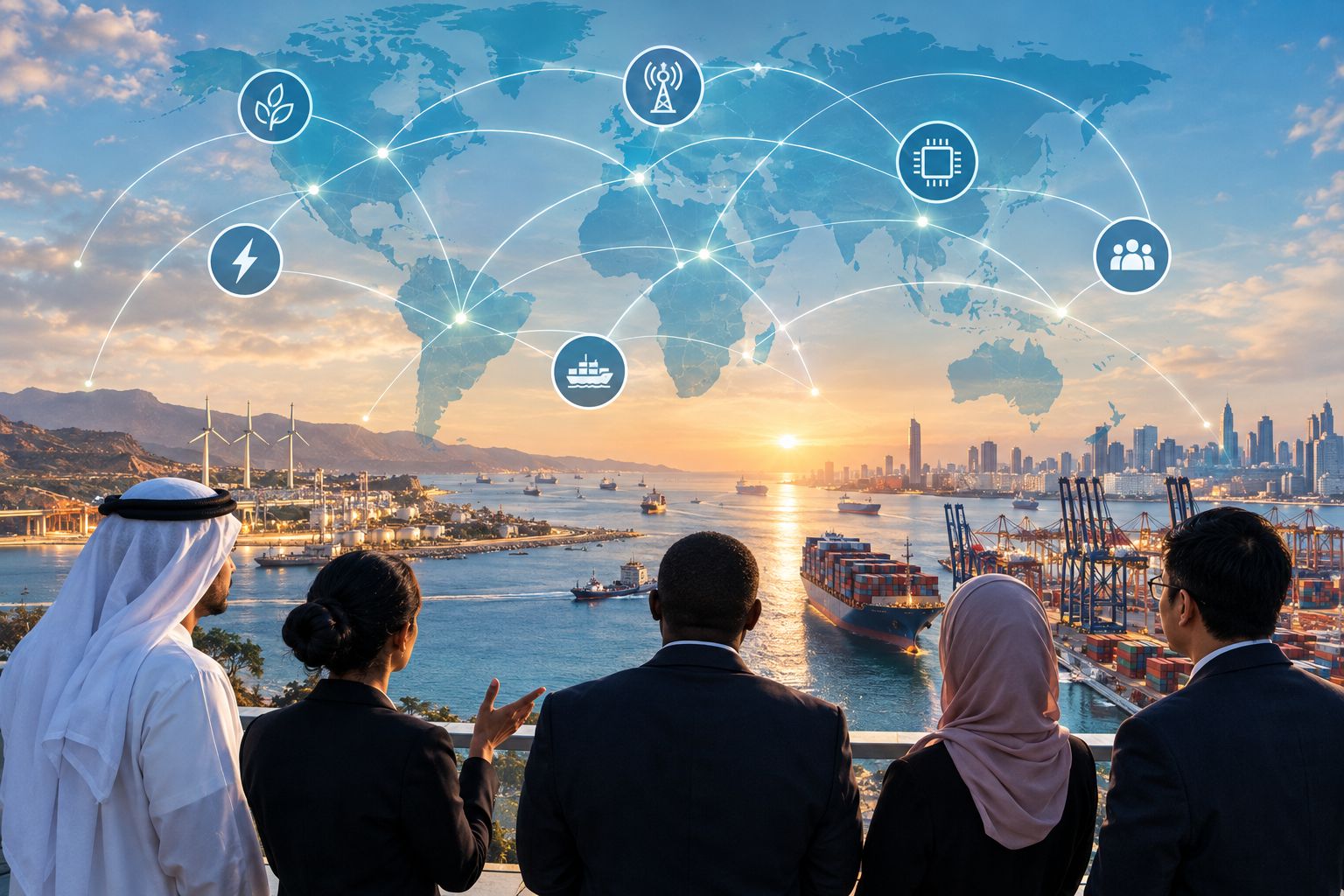
Managing crises will not be the only defining leadership issue of 2026–2036; rather, institutions will also need to be prepared to resist cross-border disruptions and unanticipated interactions. The same systems, from food security and digital infrastructure to maritime trade and energy markets, are increasingly impacted by geopolitical rivalry, climate change, technological dependence, and economic instability. However, conflicting national interests and disparate institutional capacities continue to limit the international collaboration required to handle these threats.

 A more multipolar international system presents chances for the Global South to enhance diplomatic agency and diversify partnerships. Wider power distribution does not, however, inevitably result in higher institutional accountability, more security, or more egalitarian governance.

This policy paper argues that effective leadership requires a shift from reactive crisis management towards resilient interdependence, which means to increase its ability to anticipate disruption, diversify critical dependencies, sustain essential services and cooperate across political divides. The Gulf and South Asia provide a particularly important context because their connections through energy, trade, investment, migration and maritime routes create shared vulnerabilities as well as opportunities for cooperation.

The following five policy priorities are boosting practical regional collaboration, diversifying key dependencies, institutionalising strategic foresight, enhancing responsible technology governance, and guaranteeing that resilience benefits vulnerable people. Rather than relying solely on policy pronouncements, progress should be evaluated by institutional preparedness, service continuity, recovery capability, and meaningful engagement.

The Strategic Challenge: Interdependence Without Sufficient Cooperation

A significant dilemma threatens the international system. Technological and economic ties foster reciprocal advantages, but they also spread disturbance internationally. Energy markets affect industrial prices, supply chains rely on transportation networks, and digital infrastructure links vital public and commercial services. Failure of these systems can have far-reaching effects that go well beyond the initial crisis site.

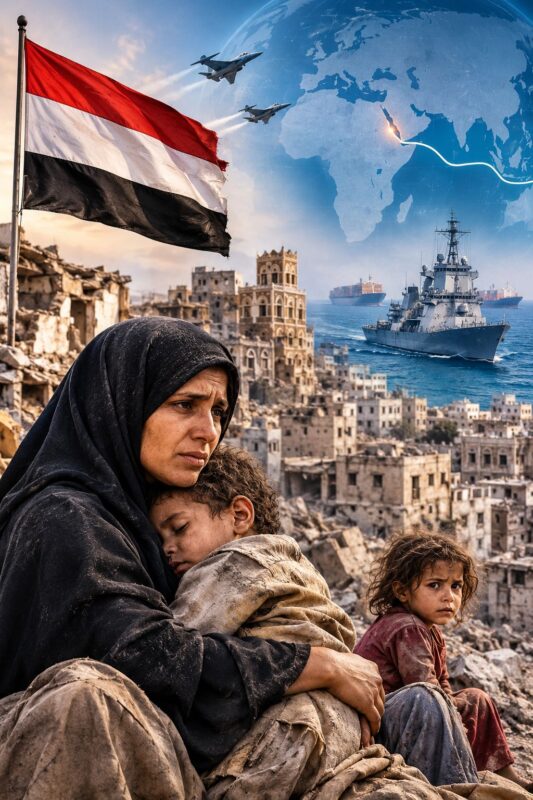
This vulnerability is demonstrated by the disruption of trade across the Red Sea and Suez Canal in late 2023 and early 2024. Due to attacks on commercial ships, numerous maritime companies had to reroute ships around the Cape of Good Hope, which increased uncertainty, transit times, and shipping prices. In February 2024, UN Trade and Development (UNCTAD) reported that freight costs on several Asia-Europe routes had significantly increased while container traffic through the Suez Canal had drastically decreased. The interruption illustrated how distant economies, trade flows, and consumer prices may be impacted by a regional security crisis. Longer shipping routes have an adverse effect on the environment.

The policy lesson is not to give up on interdependence. Instead, without compromising the advantages of global connection, governments must lessen the dangers brought about by an over-reliance on routes, suppliers, or systems. In every industry, total self-sufficiency is neither desirable nor practical. Instead, resilience calls for a variety of options, domestic resources, and plans for collaboration in the event of interruptions. These issues are especially pertinent to South Asia and the Gulf. While pursuing digital transformation and diversification, Gulf economies are nonetheless vulnerable to geopolitical unrest and the volatility of the energy market. To increase resilience in the Gulf Cooperation Council (GCC), the International Monetary Fund (IMF) has determined that economic diversification, human capital development, digitalisation, and deeper regional economic integration are crucial priorities.  

A distinct but related collection of vulnerabilities, such as intense heat, flooding, water stress, and disturbance on infrastructure and livelihoods, are present in South Asia. Because of its economic ties to the Gulf through oil, investment, migration, and remittances, changes in one region may have an impact on the other.  Therefore, robust interdependence, which means preserving the benefits of cross-border ties while lowering exposure to disruption through cooperation, institutional readiness, diversity, and anticipation, should be the main goal of policy.

Leadership Priorities for 2026–2036

1.Institutionalise Strategic Foresight

It takes more than just resolving a crisis well to be a leader in an uncertain environment. Governments require systems that can recognise new hazards, analyse their interactions, and plan for several likely outcomes. National security, economic planning, climate policy, technology governance, and public service delivery should all be connected by strategic foresight. Institutions should examine how several scenarios can impact vital infrastructure, employment, food supplies, energy availability, and public budgets rather than depending just on one forecast. For instance, while evaluating maritime risks, a government should take into consideration the potential impact on import prices, industrial production, insurance costs, and necessary supplies in addition to the probability of shipping disruption. This kind of research can assist in determining which vulnerabilities need to be fixed right now and which can wait.  Cross-ministry risk assessments should be strengthened, emergency coordination roles should be clearly defined, and backup plans should be tested on a regular basis. The ability of institutions to respond to early warnings, the quality of preparedness plans, and the coverage of serious threats should all be used to gauge success.

  1. Diversify Critical Dependencies

Resilience is not synonymous with economic isolation. It requires identifying where dependence creates unacceptable exposure and developing alternatives where feasible.

This includes assessing the concentration of suppliers, transport routes, energy sources, digital systems and essential imports. Governments should encourage diversification, strategic reserves where appropriate, interoperable infrastructure and investment in domestic skills. They should also work with businesses to understand vulnerabilities that public-sector assessments may overlook.

The Red Sea disruption demonstrates why this matters. Rerouting helped maintain the movement of goods, but longer journeys increased costs and placed additional pressure on shipping capacity. For import-dependent economies, the relevant question is whether alternative routes, suppliers and logistical arrangements can be activated quickly enough to prevent serious disruption.

Diversification should remain proportionate to the risk. Maintaining multiple suppliers or routes can be expensive, and not every dependency warrants duplication. Governments should prioritise essential goods and services for which disruption would create the greatest economic or social consequences.

  1. Strengthen Cooperation Across Political Divides

Consensus on all geopolitical issues is not necessary for a global partnership. While cooperating on issues where interests coincide, governments might have distinct strategic orientations. Opportunities for real-world cooperation in disaster preparedness, food security, energy resilience, marine safety, and climate change mitigation are presented by the Gulf and South Asia. Such initiatives may be facilitated by current bilateral ties and pertinent regional organisations, but cooperation should not be presumed in situations where institutional or political obstacles persist.

The need for more coordination is demonstrated by climate risks. Over 750 million people, or more than half of South Asia’s population, were affected by at least one natural disaster during the two decades covered by the World Bank’s regional assessment. Additionally, it has emphasised the significance of better weather data and cooperative climate action.

 Transportation, agriculture, energy infrastructure, and livelihoods can all be affected by floods, cyclones, and severe weather. Even in situations when more general political relations are still challenging, readiness can be enhanced by coordinated emergency planning, regional information sharing, and suitable early warning systems.

Cooperation between the Gulf and South Asia might start with small, doable steps like designated emergency contacts, technical exchanges between pertinent agencies, collaborative assessments of important supply-chain vulnerabilities, and disaster response training. Instead of establishing new forums with unclear responsibilities, these suggestions should strengthen already-existing institutions.

  1. Govern Technological Change Responsibly

Digital infrastructure, data-driven public services, and artificial intelligence have chances to enhance decision-making, public administration, and productivity. However, institutional capability, cybersecurity, accountability, and suitable human monitoring are necessary for their benefits. Adopting new technology is not enough for leaders rather, they also need to make sure that its use is dependable, safe, and responsible. Governments should evaluate cybersecurity threats in vital infrastructure, set explicit accountability for public-sector AI systems, and create protocols for handling malfunctions or abuse. There is a strategic component to digital dependence as well. Policy flexibility may be restricted by an over-reliance on one technology or supplier, especially in situations where access to alternatives is challenging. When acquiring vital systems, governments should evaluate these risks and make investments in personnel training, secure infrastructure, and technical competence.

These steps could support more comprehensive diversification initiatives for Gulf economies seeking digital transformation. The IMF has underlined the significance of integrating education, training, research, and a supportive regulatory framework with digitisation and the use of AI. Regular security assessments, tried-and-true incident-response protocols, unambiguous accountability mechanisms, and the capacity to sustain critical services in the face of technical disruptions should all be used to gauge progress.

  1. Make Resilience Inclusive and Accountable

Resilience is meaningless if it protects strategic infrastructure while leaving vulnerable communities unable to recover from disruption. The costs of crises are frequently unevenly distributed, hurting low-income households, informal labourers, small enterprises, and communities with inadequate access to critical services.

Climate change makes this obvious. The World Bank’s 2025 report, From Risk to Resilience: Helping People and Firms Adapt in South Asia, highlights the need for households and businesses to adapt to increasingly frequent extreme weather while also acknowledging the financial and institutional restrictions they confront.

Resilience planning should incorporate social protection, education, workforce adaptation, and access to necessities. In addition to their economic benefits, infrastructure projects and emergency protocols should be evaluated in terms of who pays for them and who is protected. Public trust is equally crucial. Institutions should set up procedures for evaluating policy failures, convey risks openly, and explain tough choices. Credible performance, justice, and accountability are necessary for building trust; messaging alone cannot do this.


Multipolarity and the Global South: Beyond the Redistribution of Power

Countries in the Global South have the chance to expand their involvement in global governance, broaden their connections, and negotiate more advantageous agreements because of the shifting global power dynamics. However, multipolarity should not be seen as an adequate goal. Even with more centres of power, unequal access to resources, agenda-setting, and decision-making can be replicated. Smaller nations might have more diplomatic options without having a significant impact on the organisations and laws that determine global results. Thus, there are two aspects of the policy dilemma. First, developing nations should work toward reforms that increase accountability and representation and bolster their ability to engage in current international organisations. Secondly, they ought to establish pragmatic regional and cross-regional collaboration whereby shared objectives warrant joint endeavours.

For governments in the Gulf and South Asia, this entails viewing foreign alliances as tools for enhancing local and regional capacities rather than presuming that cooperation with a specific great power will inevitably result in resilience.

It also entails assessing alternative organisations and partnerships based on their real results, such as whether they offer transparent and accountable structures or enhance access to capital, technology, expertise, and decision-making.

Wider power distribution is necessary for a more resilient international order, but so are better institutions that can manage shared risks and guarantee that weaker nations have a say in choices that impact them.

Policy Recommendations: From Principles to Implementation

The following priorities translate the argument into practical measures for governments and relevant regional institutions.

Establish integrated risk-assessment systems first. Governments should examine current risk-management plans and pinpoint any gaps in the areas of energy, food, transportation, climate change, and digital infrastructure within the next 12 months. Regular scenario exercises should be carried out by pertinent ministries, and accountability for responding to hazards should be delegated. The percentage of essential sectors covered by tested contingency plans and the frequency of readiness exercises should be used as indicators.

Mapping and diversifying important dependencies are the second step. Governments should identify high-risk concentrations in key imports, suppliers, transportation routes, and digital systems throughout the course of the next two to three years. Businesses and public bodies should create recovery plans and appropriate alternatives. Diversification of suppliers and routes, the availability of backup plans, and the time needed to restore critical services should all be used to gauge progress.

Third, foster useful collaboration between the Gulf and South Asia. A limited number of feasible areas for collaboration should be identified by pertinent nations and current regional mechanisms, starting with crucial supply-chain resilience, disaster preparedness, and climate information sharing. Joint risk assessments, technical exchanges, and designated institutional contacts should be the first steps. Operational plans and proven readiness should be used to gauge success rather than just the quantity of meetings.

Fourth, make technological governance stronger. Governments should examine their oversight of cybersecurity, vital digital infrastructure, and AI in the public sector. They should create or improve explicit accountability protocols, human supervision standards, and incident-response plans within two to three years. Completed security assessments, tested response plans, and recorded evaluations of high-risk systems should all be considered indicators.

Fifth, incorporate accountability and inclusivity into resilience planning. Public authorities should evaluate the impact of recovery plans and major risks on vulnerable populations, ensure the continuation of vital services, and provide access to workforce training and social protection. Service continuity, recovery times, and the allocation of aid among impacted localities should all be examined in annual reporting.  

Sustained investment, institutional coordination, and political commitment are necessary for these initiatives. Implementation should start with the procedures and capacities already in place, with more resources going toward the holes that have been clearly identified. Every year, governments should assess their success and modify their policies in response to shifting hazards, technological advancements, and economic circumstances.

Conclusion: Building the Capacity to Navigate Uncertainty

The ability to handle the implications of uncertainty will define the leadership challenge of 2026–2036, not the ability to eradicate it. National resilience cannot rely just on domestic readiness in an interconnected world characterised by technology advancement, geopolitical rivalry, and climate threats. Furthermore, resolving every political dispute cannot be a prerequisite for international collaboration.

Converting current social and economic linkages into workable agreements that lessen common vulnerabilities is the top issue for the Gulf and South Asia. Stronger institutions, a variety of crucial dependencies, responsible technology governance, and collaboration on risks are all necessary for this. Instead of viewing a broader distribution of power as a goal, it also entails promoting a multipolar order that increases meaningful engagement and accountability for the larger Global South. The ability of institutions to foresee disruptions, maintain vital operations, safeguard vulnerable people, and collaborate when interests intersect should be used to gauge effective leadership. Developing resilient interdependence provides a workable framework for accomplishing these goals. The challenge for the next ten years is to shift from handling each crisis separately to creating mechanisms that can endure the next one.

Picture of Dr Aamna Khan

Dr Aamna Khan