Publications

Iran’s Reliance on “Self-Defence” in the Shadow of “Strategic Loneliness”

Picture of Dr Vali Kaleji

Dr Vali Kaleji

Analysis Series

Analysis/0095/October/2026/London-Dialogue. 05 October 2026

By Dr.Vali Kaleji

“We do not have a military pact or strategic alliance with any country. We have strategic partnerships. We have strategic partnerships with China, Russia, and certain other countries. But we do not have a strategic alliance in the sense that we would support one another in times of war. If you want to reach the point where countries defend one another during wartime, that is a strategic alliance. A military alliance must be established. These are different levels. What currently exists between us and China and Russia—in particular, since you mentioned them—is a kind of strategic partnership. It is a strategic partnership. Partnership is still different from coalition and alliance. The reality is that, yes, we are alone during wartime.”

These remarks by Seyed Abbas Araghchi, Iran’s Minister of Foreign Affairs, made during an interview with the Iranian documentary filmmaker Javad Moghouei, can be regarded as one of the clearest official descriptions of the Islamic Republic’s strategic position in times of war. By distinguishing between a “strategic partnership” and a “strategic alliance”, Araghchi emphasised that Iran’s relations with countries such as Russia and China, although highly significant in the political, economic, and even defence spheres, do not amount to a mutual military alliance that would require them to defend one another during wartime.

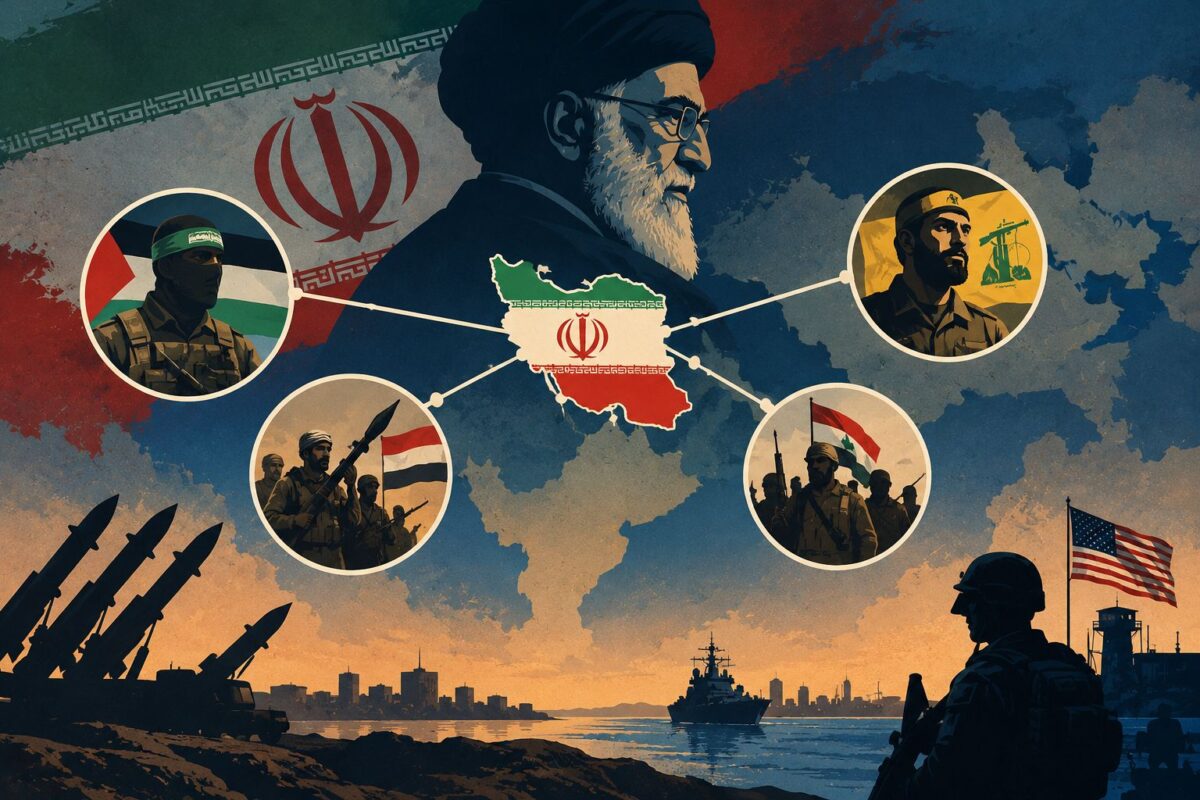
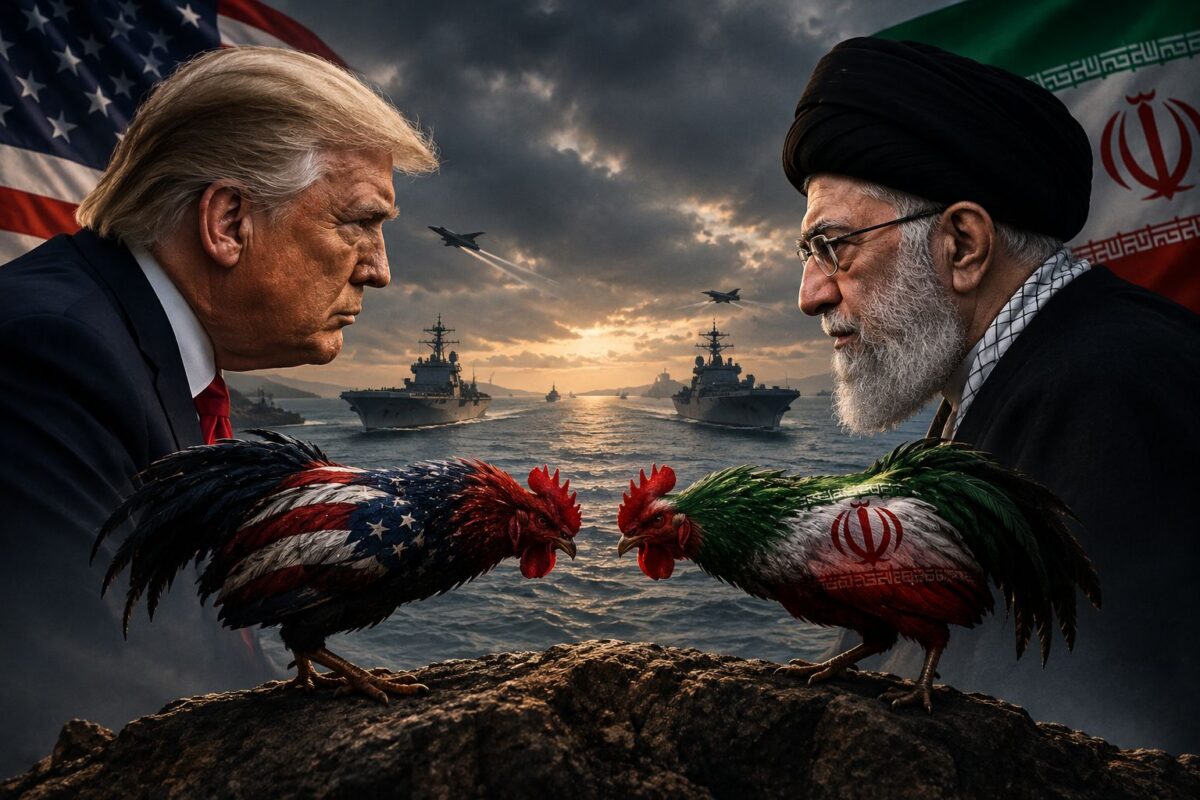
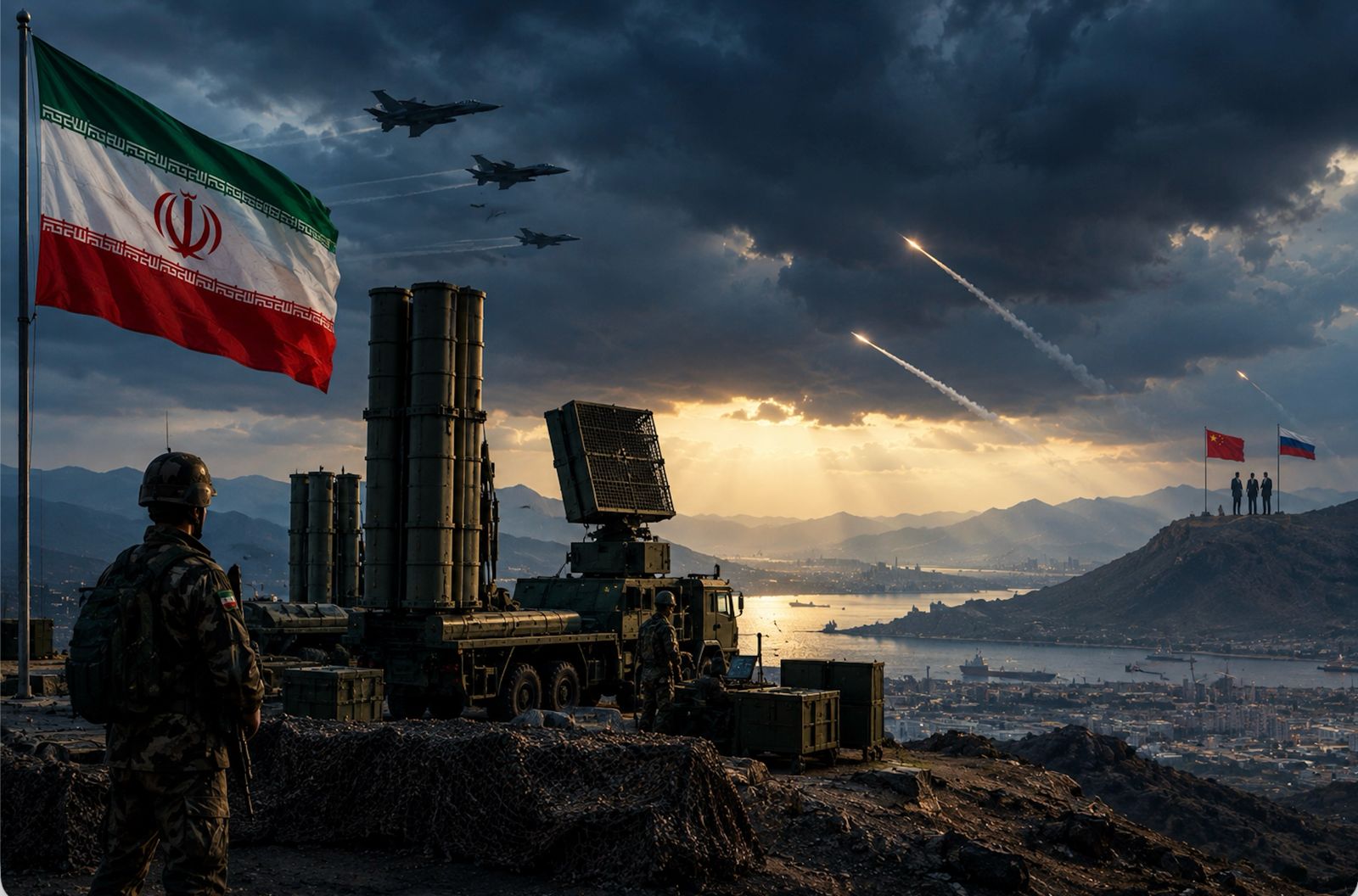
From this perspective, the Twelve-Day War in June 2025, the Forty-Day War from February 28 to April 7, 2026, as well as the recent confrontations, all point to a reality that can be described as Iran’s “strategic loneliness”. Under such circumstances, Iran has sought to defend itself against the military threats and attacks of the United States and Israel primarily by relying on its own defensive and military capabilities—self-defence—as well as on a network of allied non-state actors and militia groups (proxy groups) across the region, collectively referred to as the “Axis of Resistance”.

In the aftermath of the 12-day war in June, Iran’s strategic loneliness became particularly evident and attracted considerable attention, with substantial criticism directed especially toward Iran’s two close partners, Russia and China. For example, Iran's President, Masoud Pezeshkian said “Some of our friendly countries should have helped during the 12-day war, but they didn't," the Iranian president. I had no hope in anyone except God and our own people.” These statements are from whose reference to “friendly countries” may point to Russia and China. These remarks once again, remind us of Iran's “strategic loneliness”, a historical phenomenon in the contemporary era.

In other words, this phenomenon is neither strange nor new to Iranians. The slogan of “neither East nor West” and the Iran-Iraq war (1980-1988) both prevented Iran from aligning with major power blocs or forming strategic alliances with its neighbours and regional countries, thus deepening Iran's strategic isolation. Originally coined and conceptualised by Mohiaddin Mesbahi, the term “strategic loneliness” refers to the reality that “Iran has been strategically ‘lonely’ by design and by default, i.e., deprived of meaningful alliances and the opportunity to join great power coalitions.” As Arash Reisinezhad, an Iranian Visiting Assistant Professor at the Fletcher School at Tufts University, says, “the condition of ‘strategic loneliness’, i.e., lacking reliable long-term allies among great powers while regularly being faced with hostile regional powers or even great powers, has long informed Iran’s regional security mindset, doctrine and posture.”

Abbas Araghchi, in his recent interview, also addressed the question of why Iran has not entered into strategic alliances with other countries from a different perspective, stating, “Why we are alone is a matter for discussion. After all, we have ideals and principles that many others—or even most governments—do not share, although many nations and many movements do share them. Because of these policies, and because of our particular geopolitical position, we do not have a military pact or strategic alliance with any country.”

Russia, China and Iran's Strategic Loneliness

“Iran’s strategic loneliness” during the Twelve-Day War in June 2025 and the Forty-Day War in 2026, also evident in its bilateral relations with Russia and China. While Moscow and Beijing strongly condemned the Israeli and U.S. military attacks on Iran, they refrained from providing military assistance. From the perspective of Russian and Chinese leaders and officials, there was no commitment or obligation to defend Iran against Israeli military attacks, beyond issuing a statement of condemnation.

Although the “25-Year Iran-China Strategic Partnership Agreement” and the “Comprehensive Strategic Partnership Agreement between Iran and Russia” have been signed, neither of these agreements includes a clause on “mutual defence” against external threats. As a result, while China openly and practically supported its strategic ally, Pakistan, during the recent four-day war between India and Pakistan, Beijing did not offer similar practical support to Iran during the 12-day war with Israel.

Moreover, as stated in Article 3, Clause 3 of the Comprehensive Strategic Partnership Agreement between Iran and Russia, “in the event that either Contracting Party is subject to aggression, the other Contracting Party shall not provide any military or other assistance to the aggressor that would contribute to the continued aggression and shall help ensure that the differences are resolved in accordance with the United Nations Charter and other applicable international law.” Therefore, the absence of a mutual military assistance clause in the event of armed conflict or military aggression—outlined in Article 3, Clause 3—distinguishes this agreement from Russia’s strategic agreements with countries such as Belarus and North Korea.

In his recent interview, Iranian Foreign Minister Abbas Araghchi described this situation as follows: “Our friends and our strategic partners certainly provide assistance outside wartime; even defence-related assistance has been provided before. But during the war itself, they did not—and will not—do anything that would amount to declaring war on the other side. Nor should you expect them to do so. Russia had already made up for it before the war. In the interval between the two wars, they provided us with some assistance. During the war itself, some assistance was also provided. But if people expected Russia and China to fight alongside us, then no—that did not happen. If that was the expectation, then no; as I said, it did not happen, and it could not have happened.”

The SCO and Iran’s Strategic Loneliness

Three decades after the Islamic Revolution, Iran became an observer member of the Shanghai Cooperation Organization (SCO) in June 2005. Then, in September 2021, after 16 years, it became a full member with voting rights in this regional organisation, of which two of Iran’s close allies, Russia and China, are founding and key members. However, this did not change Iran’s strategic isolation. The SCO is not a collective security organisation. None of the provisions in the SCO’s 26-article charter obligates its members to mutual defence, unlike Article 4 of the Warsaw Pact or Article 5 of the NATO Treaty. Furthermore, Article 2 of the Charter explicitly states that the SCO is “not directed against other States and international organisations.” As such, the SCO is not an “Eastern Bloc” aimed at confronting the West, nor will it become a “New Warsaw Pact” or “Eastern NATO”.

For this reason, in the Twelve-Day War in June 2025, the SCO’s support for Iran did not extend beyond issuing a statement condemning the Israeli military attack, and also India declined to sign the statement due to its close ties with Israel. In addition, during the Forty-Day War, the SCO, in its official statement of 2 March 2026, expressed serious concern over the military attacks against the Islamic Republic of Iran and emphasised the need to respect Iran’s sovereignty, independence, security, and territorial integrity. Without explicitly naming the United States or Israel, the statement described the military attacks on Iranian territory as a factor contributing to the escalation of regional tensions.

These statements demonstrate that, although Iran’s membership in the Shanghai Cooperation Organization carries considerable political and diplomatic value, it does not provide security guarantees or constitute a military alliance. This point is consistent with the recent remarks of Iranian Foreign Minister Abbas Araghchi regarding the distinction between a “strategic partnership” and a “strategic alliance”.

Conclusion

After the 1979 Islamic Revolution, Iran’s defence strategy was shaped around the principle of “self-defence”, influenced by its historical strategic isolation, the slogan of “Neither East nor West,” and the Iran-Iraq War (1980–1988). The Twelve-Day War in June 2025 and the Forty-Day War from February to April 2026 once again highlighted Iran’s strategic loneliness. These conflicts demonstrated that, despite Iran’s expanding strategic partnerships with major powers such as China and Russia and its membership in multilateral organisations including the Shanghai Cooperation Organisation (SCO) and BRICS, Tehran still lacks formal military alliances capable of providing collective defence during wartime. Consequently, Iran is likely to continue relying primarily on its indigenous military capabilities, including its missile and drone programmes, its network of allied non-state actors across the region, and its geostrategic leverage over the Strait of Hormuz as key pillars of its deterrence and defence strategy. In this sense, “strategic loneliness” is not merely a temporary consequence of recent conflicts but has become a defining structural feature of Iran’s contemporary security and defence doctrine.

At the same time, Araghchi’s distinction between a “strategic partnership” and a “strategic alliance” also highlights another important dimension of Iran’s security strategy. While the absence of formal military alliances contributes to Iran’s strategic loneliness during wartime, it also spares Tehran from the binding defence commitments that accompany formal alliances. Had Iran maintained a mutual defence alliance with Russia, for example, it could have faced pressure to become directly involved in the Russia–Ukraine war, much as Belarus has. Likewise, a formal strategic defence pact with another regional power could place Tehran in situations similar to those faced by Pakistan under its longstanding security relationship with Saudi Arabia, where alliance commitments may create difficult strategic choices. From this perspective, Iran’s preference for strategic partnerships rather than formal military alliances reflects not only the constraints of its foreign policy but also a deliberate effort to preserve strategic autonomy and avoid becoming entangled in other states’ military conflicts.

Picture of Dr Vali Kaleji

Dr Vali Kaleji