
Publications
From Security Dependence to Strategic Autonomy: The Gulf Amid the 2026 Iran War
Dr Aamna Khan
Analysis Series
Analysis/0089/September/2026/London-Dialogue. 26 September 2026
By Dr Aamna Khan
Introduction
The 2026 Iran conflict has prompted Gulf governments to address a long-standing question in regional security debates: ‘How much security can a state reasonably outsource to an external power?’ For decades, the Gulf’s security architecture rested on a relatively clear division of responsibility. Gulf states established substantial bilateral partnerships with the United States and other Western countries, with Washington providing the primary external military presence, deterrence capabilities, and security assurances. The Gulf Cooperation Council (GCC) provided a regional framework, but defense integration remained limited.
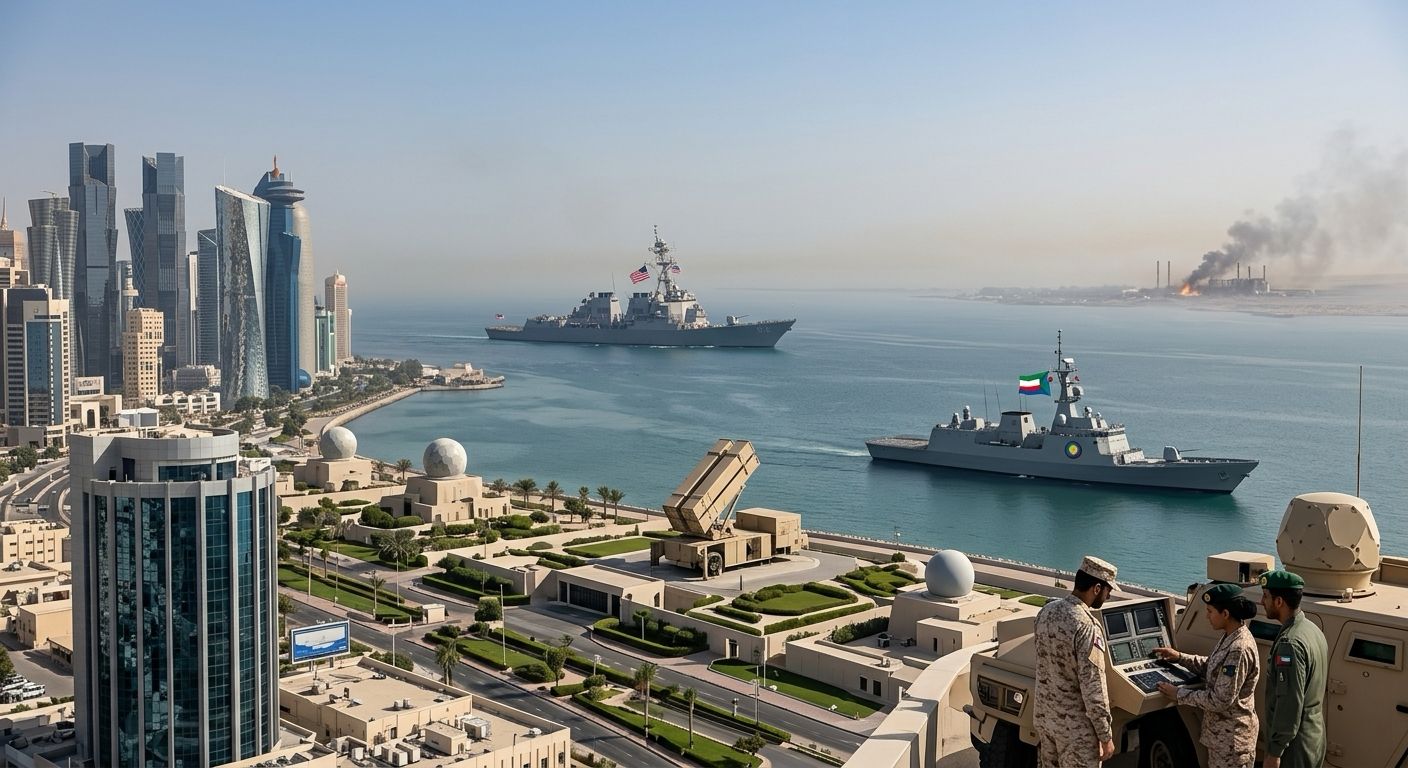
The war has not wiped out this model, and it is unlikely to be in the near future; in fact, with capabilities no regional actor can match, the US remains essential to Gulf security. However, the conflict has highlighted the shortcomings of a security architecture that relies on outside sources. Attacks by Iranian drones and missiles have shown how vulnerable cities, ports, airports, energy plants, and other vital infrastructure are. For instance, in March, Qatar stated that Iran had attacked its assets, including an energy complex in Ras Laffan Industrial City.
Therefore, the war’s significance extends beyond whether US military power remains credible. The more important question is what Gulf states can do when regional instability directly threatens the economic transformation on which their future prosperity increasingly depends, when external protection cannot eliminate every vulnerability, and when an external ally’s actions can themselves contribute to escalation. The emerging response is not to abandon the US-led security system but to pursue strategic autonomy: the capacity to maintain external security partnerships while strengthening regional capabilities, diversifying strategic relationships, and building economic resilience to reduce reliance on any single actor.
The Limits of the Old Security Model
The Gulf has never been entirely reliant on the US. Saudi Arabia, the United Arab Emirates, Qatar, and other nations have invested significantly in their own armed forces, cultivated bilateral ties with Asian and European allies, and pursued diplomatic avenues with nations throughout the region. The basic tenet of the regional security arrangement has remained the US. The 2026 conflict has demonstrated both the efficacy and limitations of that structure.
On the one hand, the conflict has shown how crucial cutting-edge US military capabilities are. American intelligence, air and missile defence, military technology, and deterrence continue to aid Gulf states. A joint statement released in March by Qatar, Saudi Arabia, the UAE, Bahrain, Kuwait, Jordan, and the US specifically underlined the success of air and missile defense cooperation in reducing the impact of Iranian assaults.
However, the same conflict has demonstrated why Gulf nations cannot equate security with external protection. Because of the broader military conflict involving its main security partner, a nation may be shielded from some threats while also being vulnerable to others. Foreign forces may deter adversaries, but they may also draw host nations into their strategic planning. For states whose economic plans rely on stability, this conundrum is especially crucial. Oil field protection is no longer the Gulf economy’s only preoccupation. Global logistical networks, financial hubs, tourism industries, data infrastructure, ports, airports, and industrial ecosystems are all being constructed. As a result, their susceptibility is becoming more complex. The most recent escalation clearly demonstrates this. Fresh attacks have affected shipping, energy infrastructure, and investor confidence, and oil prices have once again surpassed $100 per barrel. As a result, the security of the economic networks supporting the Gulf’s post-oil development is inextricably linked to its security.
From Defence to Adaptability
The idea of strategic autonomy is helpful in this situation. Military self-sufficiency is not the same as strategic autonomy. No Gulf state can replicate the full range of capabilities offered by the US. Furthermore, autonomy shouldn’t be seen as an effort to separate the Gulf from Washington or as political neutrality. Rather, strategic autonomy entails lessening the effects of reliance.
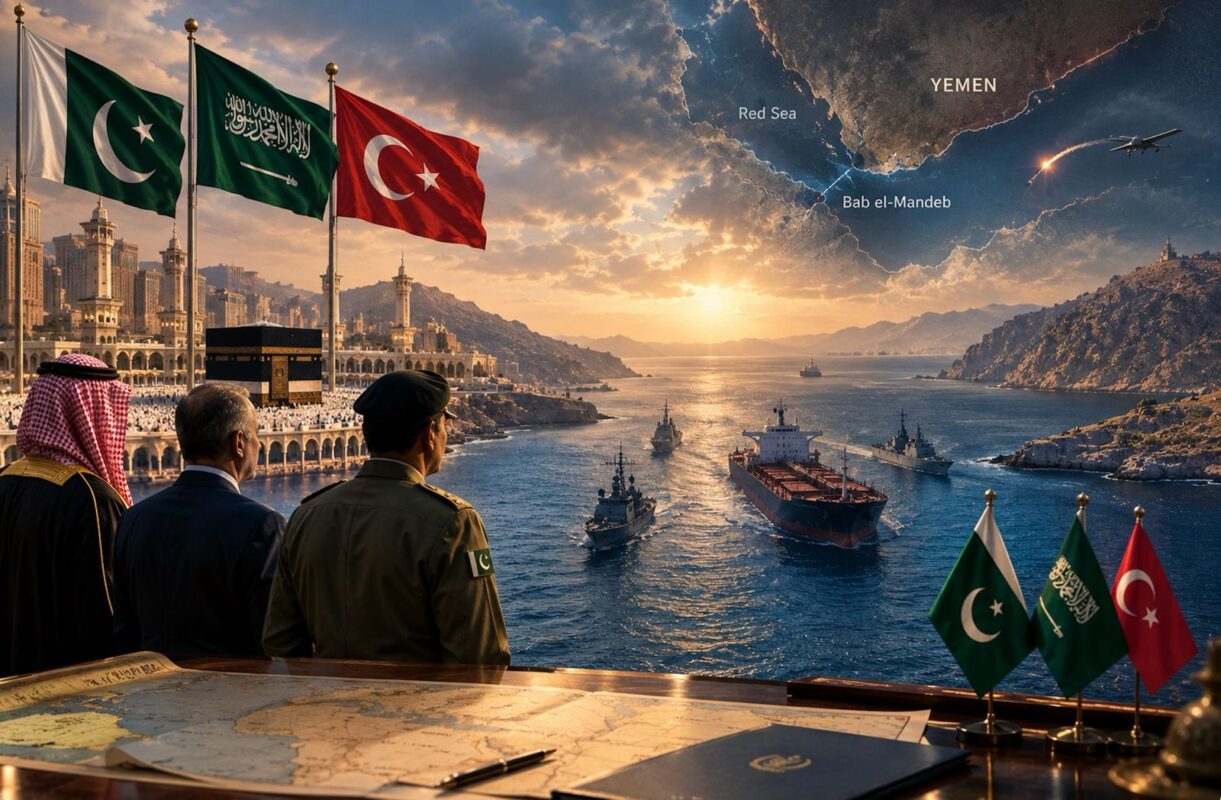
This approach involves at least four dimensions—first, defence diversification. Instead of relying on a single security partner, Gulf states are increasingly looking to diversify. Particularly noteworthy is Saudi Arabia’s August 2026 Joint Defence Agreement with Pakistan and Turkey. The pact pledges the three states to deepen defence cooperation and declares that an armed attack against one would be considered an attack against all. However, it is inappropriate to consider the agreement as the creation of a Gulf NATO. Its immediate significance is more useful. It suggests that Gulf security considerations are expanding beyond conventional Western alliances. Saudi Arabia is trying to maintain its ties with Washington while adding more layers of deterrence.
Second, regional defence cooperation. A collective defence idea already exists inside the GCC. The GCC reiterated that the security of its members is indivisible and that an assault on one is an attack against all in the wake of the Iranian attacks in March. Historically, the challenge of converting political promises into operational integration has been more of an issue than the lack of pronouncements. This disparity is now harder to overlook because of the war. Integrated air defence systems, intelligence sharing, early warning systems, cooperative drills, and coordinated reactions to drones, missiles, and attacks on vital infrastructure are all necessary for effective autonomy. If states cannot coordinate quickly during a real crisis, a declaration of unity has little deterrent power.
Third, Infrastructure and economic resilience. Economic security and military security can no longer be handled independently, as recent crises have shown. To lessen its vulnerability to disruptions in the Strait of Hormuz, the UAE, for instance, is creating alternate energy and commercial channels. In response to the conflict, Abu Dhabi has been increasing the capacity of its eastern ports, pipelines, and alternative trade routes, according to a recent Reuters article. This is strategically significant. Diversifying supply chains, ports, pipelines, energy routes, and telecommunications systems cannot eliminate vulnerability, although it does create redundancy. Consequently, redundancy improves a state’s capacity to withstand shocks without letting a single chokepoint dictate its financial stability.
Diplomatic diversification comes in fourth. Gulf states increasingly realise that military deterrence is insufficient to achieve security. Their recent diplomatic efforts with Iran, China, Turkey, Pakistan, and other regional players demonstrate an attempt to keep lines of communication open even in tense or competing situations. The connection between Saudi Arabia and Iran is especially relevant here. Before the war, Riyadh sought diplomatic de-escalation, showing that close defence ties with Washington could coexist with engagement with Tehran. Rather than ideological, the reasoning is practical: Gulf governments are working harder to keep regional disputes from posing an existential threat to their political and economic development.
China and the Limitations of Diversification
In the current context, China will likely become more significant, but expectations of Beijing’s involvement must be realistic. Beijing’s participation in the 2023 Saudi-Iran rapprochement and China’s expanding economic ties with the Gulf have sparked conjecture about Beijing’s potential to someday replace Washington as the region’s main external security partner. That is not likely, though. For now, China does not offer the Gulf a security framework equal to the US military presence, and there is little indication that Beijing intends to do so.
China’s importance lies elsewhere. Beijing may employ infrastructure, technology, diplomatic contacts, economic ties, and political mediation to support a more varied regional order. China is unlikely to overtake the US as the Gulf’s main security guarantor, according to recent analysis, but it may become more significant as Gulf governments reevaluate their security plans. Strategic autonomy does not force Gulf states to choose between Washington and Beijing, which makes this distinction crucial. Instead, it keeps countries from being forced into exclusive alliances by great-power competition, allowing them to keep ties with both. The same logic applies to other outside partners. Pakistan has long-standing defence links with Gulf governments, especially Saudi Arabia; Turkey contributes substantial military and defense-industrial assets; and European nations provide major naval, air, and intelligence capabilities. Therefore, the goal is to build a network of complementary relationships rather than find a single new security guarantor. This diversification may help Gulf states better manage security threats, improve their negotiating position, and reduce the negative effects of relying too heavily on any one external power. In this way, the goal of strategic autonomy is to make the current security order more adaptable, diverse, and robust rather than to replace it.
The Challenge of Transforming Alliances into Capabilities
The biggest risk is that strategic diversity will remain declarative rather than practical. The Mecca Joint Defense Agreement illustrates both the opportunity and the issue. Its collective-defence clause is politically important, but what happens after the signing ceremony will determine how credible the agreement is. According to Reuters, the pact calls for increased defence-industrial links, air-defence cooperation, joint drills, and political and military coordination.
However, current events also highlight the limitations of group obligations. In response to fresh Houthi strikes on Saudi Arabia, Pakistan declared in September that no military response had been discussed under the Mecca deal. This shows the distinction between an established framework for collective action and a political commitment, but it does not render the agreement unlawful. The GCC faces a similar issue. Gulf nations must go from partnership accumulation to partnership integration for strategic autonomy to have any real significance. Buying weapons from several vendors does not necessarily increase autonomy if the systems cannot interact with each other. Resilience does not always result from hosting foreign forces if vital infrastructure is still at risk. If partners disagree on when and how they would react, signing defence accords does not always result in deterrence. Therefore, rather than only buying, the following phase should concentrate on interoperability.
More focus should be placed on joint early warning systems, integrated air and missile defence, cyber cooperation, maritime surveillance, counter drone capabilities, and vital infrastructure security. Additionally, maintenance, logistics, spare parts, unmanned systems, and other capabilities that might lessen vulnerabilities brought about by reliance on foreign supply chains should be the main emphasis of defence-industrial cooperation. This would provide a useful definition for strategic autonomy.
Beyond Military Security
The fact that Gulf security cannot be defined precisely in military terms may be the most significant lesson learned from the 2026 conflict. The region’s economic change has brought both new strategic assets and new strategic weaknesses. The security environment today includes ports, airports, LNG installations, oil pipelines, financial centres, data centres, underwater cables, and telecommunications networks. An attack on an energy facility can have far-reaching effects on international markets, exports, and investor confidence in addition to physical harm. The most recent conflict has already shown this connection. Global oil markets have been affected by the disruption around the Strait of Hormuz, and fresh strikes on Saudi Arabia have sparked worries about Gulf and Red Sea routes. Therefore, the ability to absorb and recover from disruption must be a part of strategic autonomy. This entails building other trade channels, increasing strategic reserves, safeguarding digital infrastructure, bolstering local military industries, and devising backup plans for vital imports and exports for the Gulf states. It also means ensuring that economic diversification does not create new forms of strategic reliance. This is especially crucial for national reform initiatives like Vision 2030. Economic diversification is not only about reducing reliance on oil earnings. It also aims to build economies that can operate in unpredictable geopolitical environments.
A Gulf state has a type of strategic dominance that cannot be determined by military spending alone if it can continue to transport products, export energy, maintain digital connectivity, and attract investment during a regional crisis.
A More Autonomous Gulf, Not A Post-American Gulf
Thus, it is incorrect to see the emerging Gulf order as a shift from foreign dependency to total regional self-reliance or from American supremacy to Chinese influence. What is occurring is not captured by either interpretation. Because of its military prowess, entrenched bases, intelligence networks, and long-standing defence links, the US will continue to play a major role in Gulf security. The Gulf governments have no clear reason to give up this infrastructure. However, the 2026 conflict has shown why maintaining a single dominant external security connection creates additional risks. A layered security order, in which the US continues to be the main foreign military partner while Gulf states bolster their own capacities and develop complementary partnerships with Turkey, Pakistan, European nations, China, and other regional actors, is the more likely course.
An arrangement like this would also align with the Gulf states’ overall foreign policy strategy over the last ten years: retaining ties with rival powers without letting them become mutually exclusive. Therefore, rejecting dependency does not equate to strategic autonomy. It is how it is managed.
Conclusion
The American security apparatus is still essential despite the Iran War of 2026. If anything, the crisis has shown why Gulf governments still need sophisticated foreign military capabilities. However, it has also highlighted the shortcomings of a system that relies too heavily on a single external guarantor for regional security. The Gulf should not choose between Washington and Beijing, abandon outside alliances, or try to build an entirely autonomous military structure. The more practical lesson is that security needs to become resilient, layered, and diverse.
This is already the way that the Gulf states are taking. China is growing in importance as a diplomatic and commercial partner, the UAE is investing in alternative energy and economic pathways, the GCC is fortifying its collective-security language, and Saudi Arabia is forming new defence alliances with Pakistan and Turkey. These advances remain inconsistent, and whether they can translate into lasting capabilities remains the key question.
Gulf states will not be able to completely eradicate their reliance on more powerful nations, even if they integrate their air defences, enhance intelligence sharing, diversify strategic infrastructure, bolster domestic resilience, and coordinate their foreign partnerships. However, they will have more freedom to control that reliance. For the Gulf, that might be the most practical concept of strategic autonomy.
Therefore, the future regional order is unlikely to be fully American or truly post-American. It is more likely to be layered, multi-partner, and increasingly Gulf-driven. That shift has been expedited by the war in 2026. Whether strategic autonomy becomes a significant component of the region’s security architecture or remains an aspiration expressed in response to crises will depend on the Gulf’s ability to turn lessons from the conflict into enduring institutions and capabilities.
Dr Aamna Khan
Related posts
Rivers as Leverage: India’s Suspension of the Indus Waters Treaty and the Logic of Hydro-Coercion in South Asia
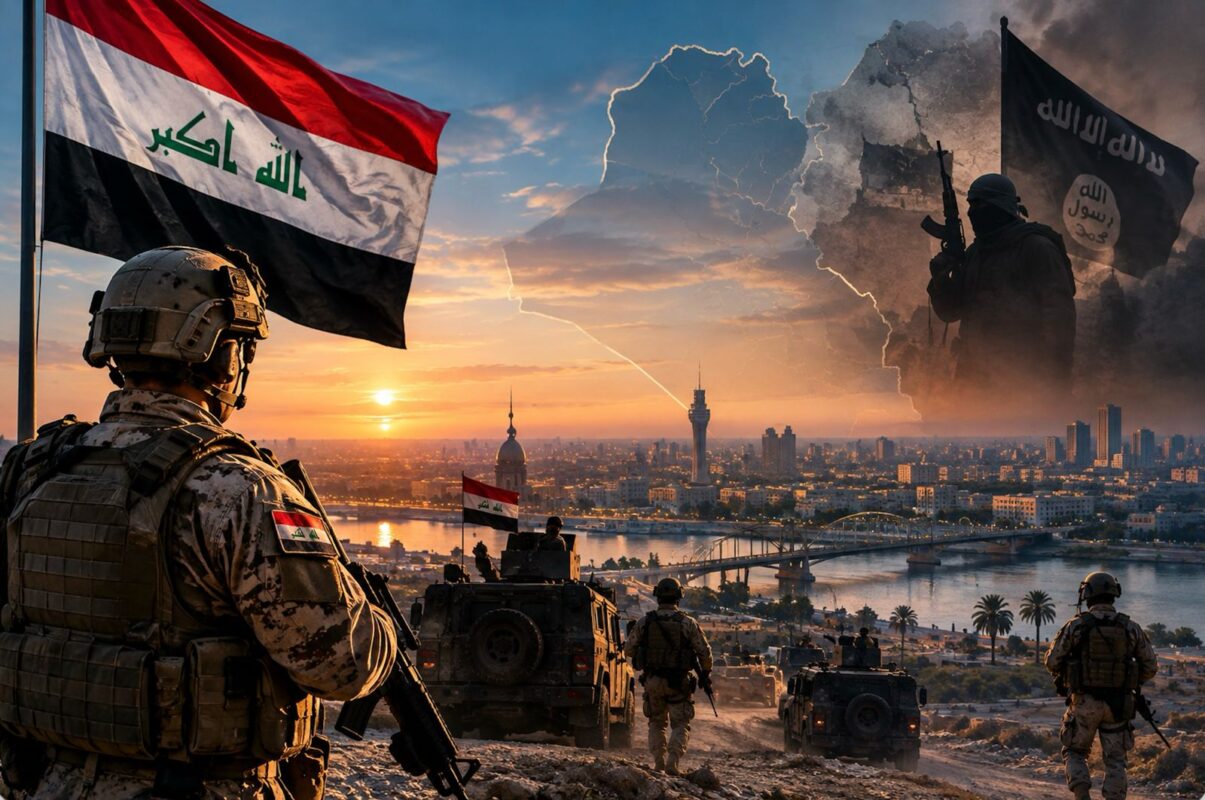
Iraq After Operation Inherent Resolve: Testing Security and State Control
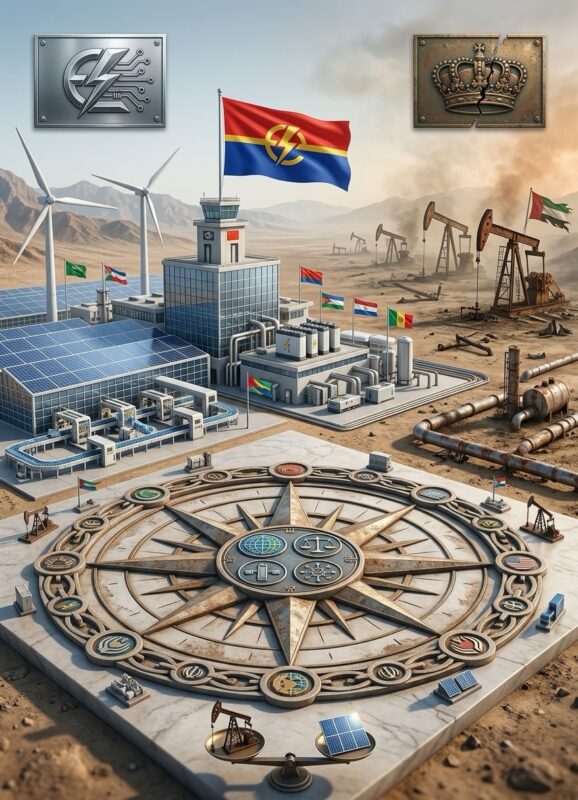
The Electrostate Thesis: Geopolitics, Clean Energy Dominance, and China’s New Global Leverage
A Last Open Letter to President Mr D. J. Trump
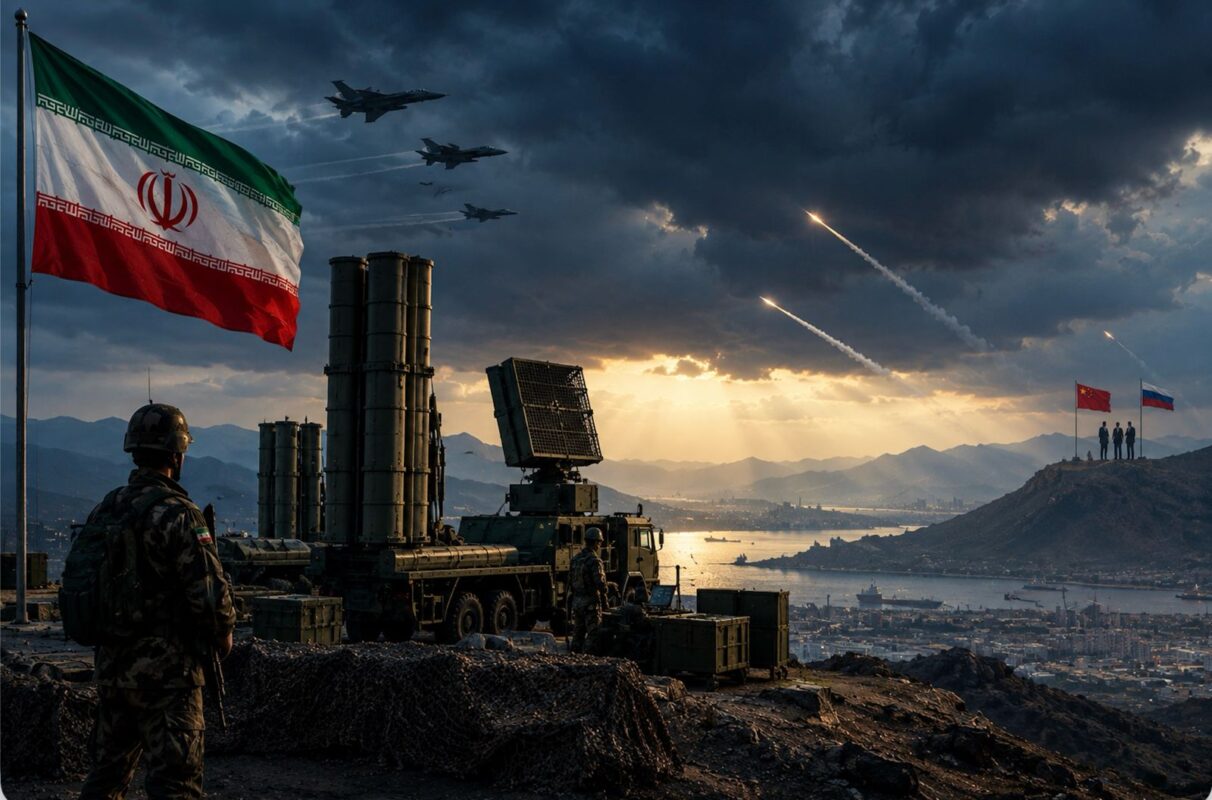
Iran’s Reliance on “Self-Defence” in the Shadow of “Strategic Loneliness”
From Chokepoint Diversification to Coupling: Hormuz, Bab al-Mandab and the New Fragility of Gulf Energy Security
Imran Khan’s Solitary Confinement and the Mandela Rules
The South Atlantic Flashpoint: Argentina Tests Britain, Chile, and the US
Religious Rhetoric Around the Mecca Defence Agreement and Its Long-Term Impacts for Pakistan
Operationalising The Maritime Dimension Of The Makkah Joint Defence Agreement
The Arithmetic of Saturation: What the Iran War Taught About the Limits of Layered Air Defence
Beyond the Mecca Accord: Why Pakistan Must Choose Deterrence over Entanglement in Yemen
London Dialogue — Founding Statement
Publication Categories
- Analysis (102)
- Book Review (1)
- Commentary (6)
- Essay (9)
- Journal (0)
- Journal Article (0)
- Policy Brief (6)
- Policy Paper (1)
- Research Article (2)
- Research Report (5)
- Young Writers Corner (0)