If American grand strategy has entered a stalemate when it comes to the country that has held it in nearly fifty years of “Persian captivity,” then American localized strategy appears comparably debilitated in Gaza. The continued administration of Gaza by an armed Hamas – an organization deemed politically illegitimate and an ongoing security threat – is unacceptable to America and intolerable to Israel. Yet a year since the Trump-initiated Board of Peace was announced, it is yet to demonstrate its capacity to oversee a path from Gaza under Hamas, to Gaza under an alternative form of governance. Unless such an alternative can be produced, that is both effective and recognized as legitimate by the people of Gaza, the Board of Peace will remain an entity unfit to fill a political vacuum.
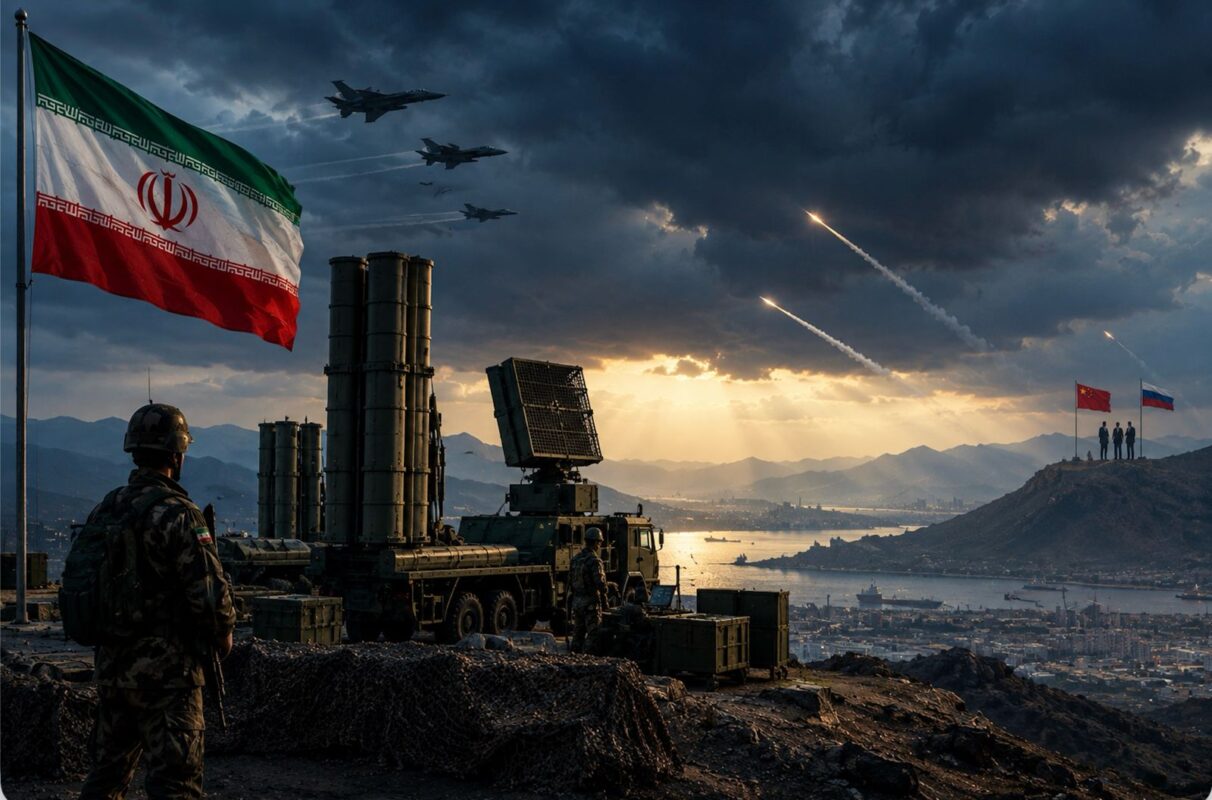
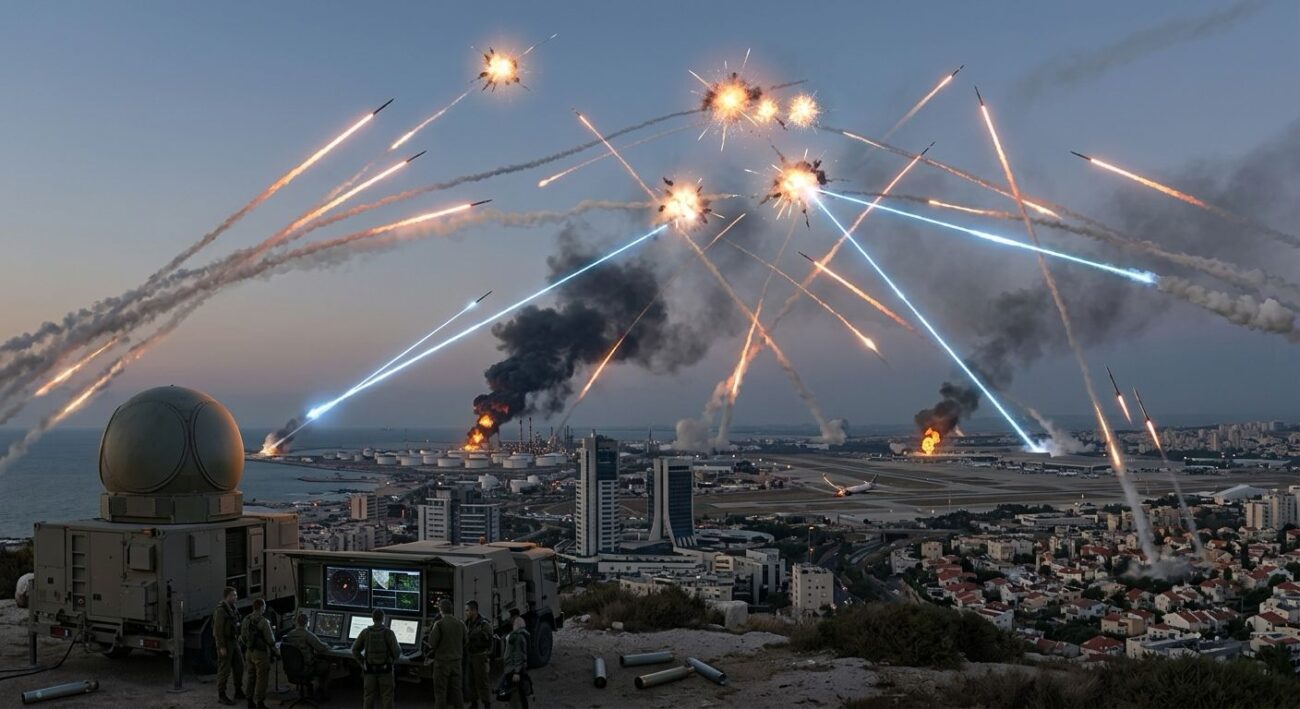
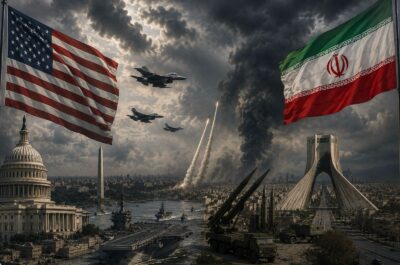
The war currently centred on the Strait of Hormuz can be said to have started in June 2025, with Israel’s airstrikes on Iran and America’s bombing of key nuclear sites. Or it can be said to have started in February 2026, with combined American and Israeli strikes on Iranian military and nuclear infrastructure launched as Operation Epic Fury.
Taking a longer view, the current conflict can be seen within the frame of what some have called America’s “40-year obsession with Iran.” While Secretary of War Pete Hegseth may describe Operation Epic Fury as a mission that is “laser-focused,” after six months with no clear outcome, it is a mission perhaps showing more signs of ideological fixation than strategic focus. Rather than a conclusive application of laser-like superiority, it is beginning to look like the first steps into another American quagmire. And the fact that the adversary this time is not an unstable Iraq or Libya but “America’s great Satan” raises the stakes for America in principle and in practice.
In principle, the initiation of war with Iran means the Trump administration has done what previous American presidents – notably the administration of George W. Bush – have not had the temerity to do. “Boys go to Baghdad, real men go to Tehran” may have been a slogan circulating in neoconservative circles in the early 2000s, but taking military strategy beyond slogans into real, massive air and naval campaigns against Iran indicates a historic level of confidence in enforcing principle that America will not tolerate the malignity it has long seen in the Islamic Republic.
In practice, the initiation, reinitiation and now protracted conduct of war with Iran raises the stakes for America in at least three dimensions, pertaining to leaders, weapons and sanctions.
American military assassination of leaders (such as al-Qaeda’s Osama bin Laden), and American approval of assassinations by Israel (such as of Hamas’ Ismail Haniyeh) can be judged either as essential localized tactics or as imprudent multipliers of regional instability. But in the case of Iranian leaders, the problem with the American-Israeli assassination of Supreme Leader Ali Khamenei in March is its obvious inefficacy in contributing to a subsequent American military victory over a large and well-armed nation-state. The assassination of Khamenei may have been “clinical,” but as with the vaunted “laser focus” of the broader mission, sharp tactics need to accumulate in strong strategy, if they are to become constituents of success. On the other hand, what does accumulate in Shia Iran, through the assassination of leaders from Qasem Soleimani to Ali Khamenei is the number of martyrs mourned. In the absence of a strategic American victory, this mourning can become a high-visibility index of national strength – whether such strength is considered obdurate autocracy or legitimate resistance.
Likewise in matters of weapons and sanctions, the current war raises the stakes for America under President Trump.
Key American munitions (such as Tomahawk and Patriot missiles) may not yet be in short supply as result of intensified use. But the ancient wisdom of Sun Tzu’s dictum – that no country has ever benefited from a protracted war – was not only about the short term. The fact that heavy use of American missiles against Iran is creating a “beyond critical” risk in “patriot-starved Ukraine” is only the most prominent example of the spreading effects of an American military strategy that is yet to blend tactics into victory.
In the matter of economic sanctions, the fact that the American Treasury in late August launched a new “whole-of-government, economic campaign against the Islamic Republic of Iran and its enablers” would seem to indicate that, having taken the unprecedented step of real men going to Tehran, the Trump administration’s massive military campaign now seems to be falling back on the incrementalism of defeating Iran through economics.
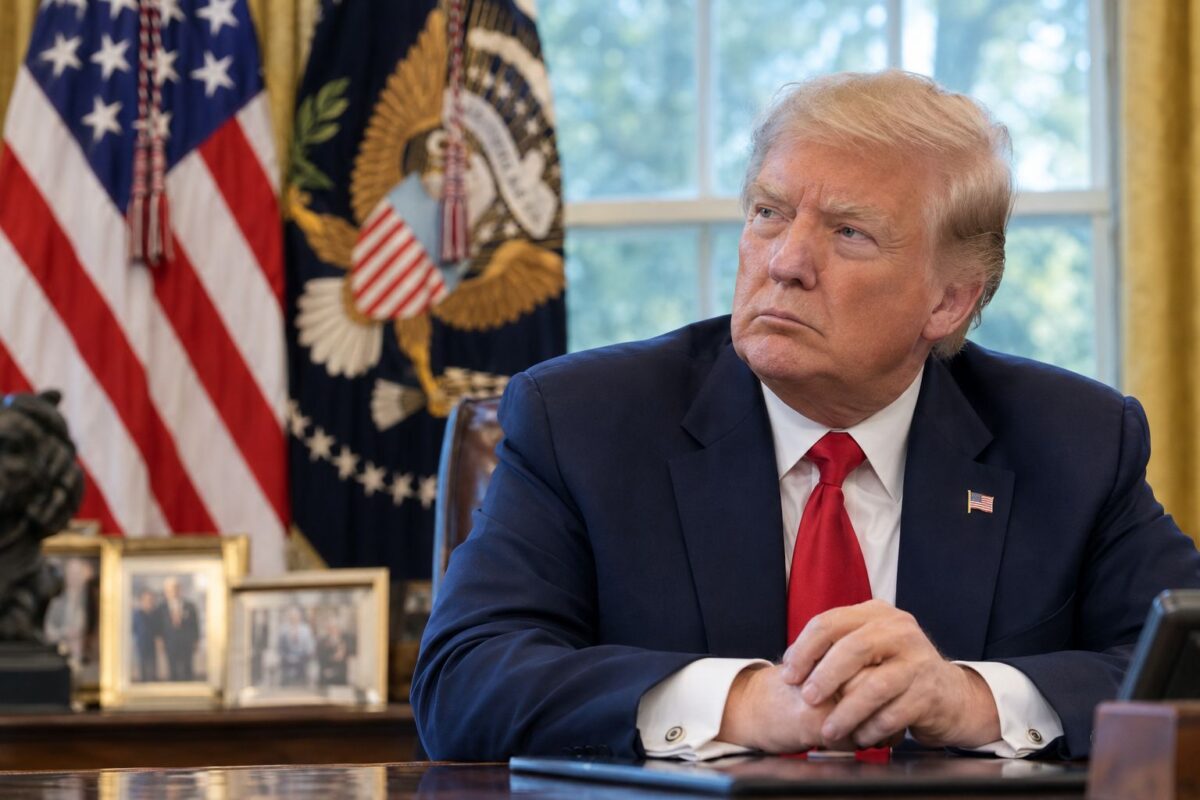
That would be a relapse to an overall strategic position that America managed to grow out of in 2015, when the Joint Comprehensive Plan of Action (or Iran Nuclear Deal) indicated a feasible long-term path to managing Iran’s nuclear capacity, without resorting to war. Trump’s 2018 withdrawal of America from the plan was a significant early indication of his alternative approach to foreign policy: ultimatums announced as deal-making. Eight years later, indeterminate strategic statements by Trump such as “I don’t think it will be very much longer. I don’t know how much more they can take” are the antithesis of decisive deal-making.
A growing disjuncture can be seen between the historic American decisiveness in dealing with Iran, which has been repeatedly proclaimed by the Trump administration since the 12-Day War of June 2025, and the inconclusive state of a conflict that has become centred on the Strait Hormuz, that is yet to reduce Iran to incapacity, and that generates more regional instability and more global risk the longer it lasts. Naturally, the expansion of such instability and risk may prompt countries that are not counting on an American-Israeli victory to consider an expanding range of strategic options for the medium-term future.
The American president’s early August threat that Iran’s leaders had “one last chance” to make a deal is familiar Trump-style hyperbole. Its assertion of terminal military and diplomatic prospects has been reinforced by Treasury Secretary Scott Bessant’s late-August declaration of “economic D-Day:” Thus “President Trump has taken action that his predecessors have long deferred. Under his leadership, America is no longer managing the Iranian threat. We are ending it.”
But in contrast to these statements of terminal and conclusive success, by August 2026 Reuters was describing the war America had initiated as a “costly stalemate.” And in the view of one former member of Trump’s Iran negotiating team, the implications of this stalemate are that maximum pressure had failed, and his war has “brought American strategy to a dead end.”
If strategic failure and regional stalemate characterize the broad conflict environment faced by America and Israel, what of the unresolved problem of Hamas in Gaza?
At approximately 24 miles long on its coastal side, Gaza is almost exactly the same length as the Strait of Hormuz at its narrowest point.
In the narrowness of Hormuz, America is encountering the simple problem of a strategic chokepoint. Maximum pressure, whether applied with laser-focus or heavy bombs, is the wrong tactical instrument here: the strategic objective must be not short-term overwhelming shock and awe, but enduring openness, which restores enduring trade and enduring proof of American regional primacy.
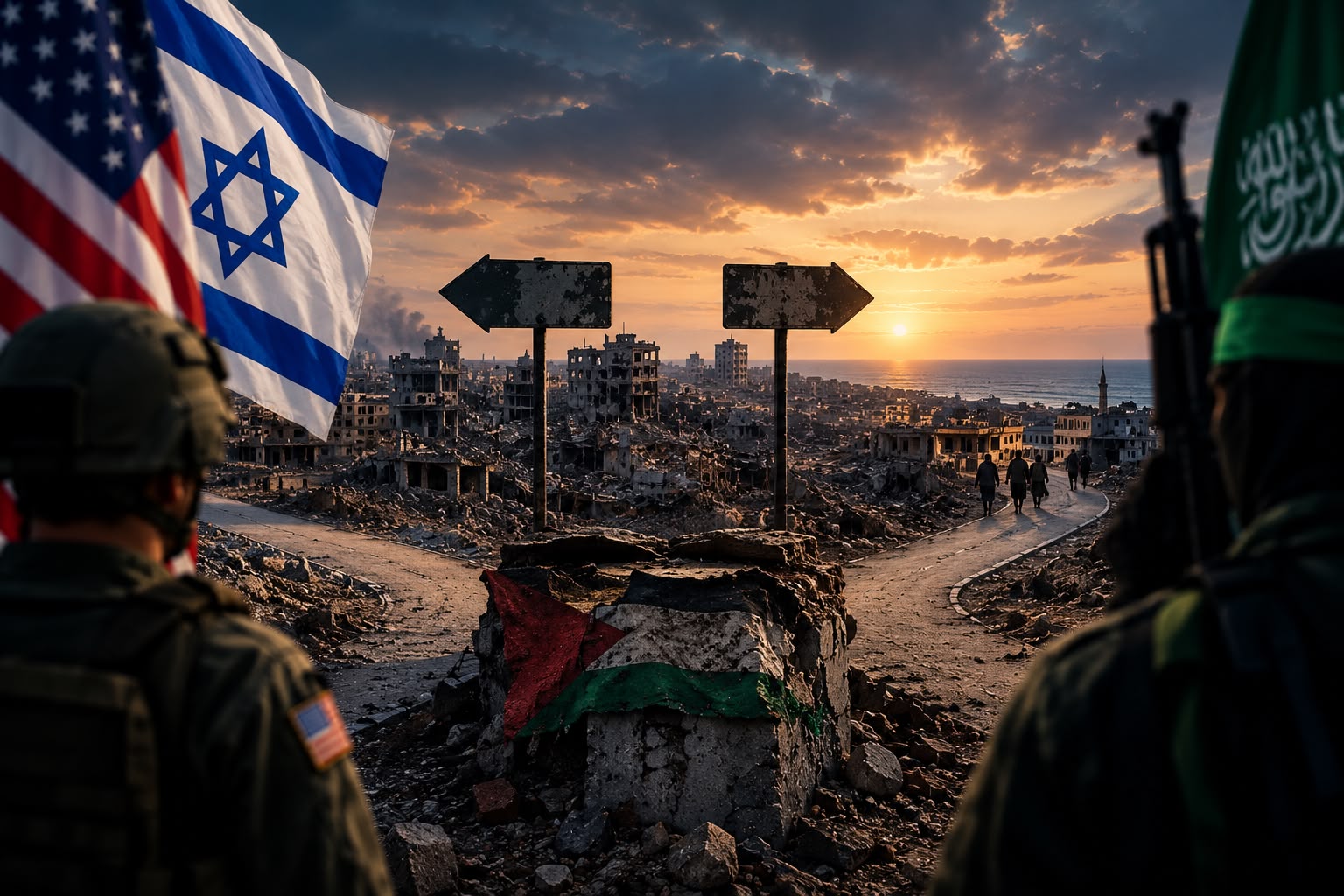
In the short span of Gaza, Israel and America face a complex strategic problem, in a sense the mirror image of entrapment in Hormuz. In Gaza, the mere enduring presence of a still-armed Hamas, three years after the October 7 attack, presents Israel with an ongoing, proximate security problem, which was not removed by short-term overwhelming siege. For America, the mere endurance of Hamas – militarily in Gaza, politically with a newly-elected leader free of Gaza’s constraints – presents an ongoing problem: failure to enforce a credible institutional alternative to Hamas’ authority in the strip, via the Trump-initiated Board of Peace.
While Hormuz presents an essentially strategic problem, Hamas presents an essentially political problem. America and Israel are faced with a choice between two political vacuums.
One is the political vacuum that, since 2007, must be considered to have existed in Gaza by any country or organization that considers Hamas an illegitimate militant movement or terrorist entity. Officially stated or not, a political vacuum must be deemed to have existed by all such countries and organizations since Hamas was confined to the strip. Hamas took control of civil administration in Gaza in 2007 after having won Palestinian elections and then effectively being removed from power, when the short-lived Hamas government of Ismail Haniyeh refused to disarm, to recognize Israel and to comply with the then-current American-sponsored Roadmap to Peace initiative.
Precise definitions of political vacuum can be explored academically. But if in general terms a political vacuum opens when “absence of effective political authority leads to instability and potential conflict,” and if political authority must in one way or another be recognized as legitimate in order to be distinguished from power enforcing compliance by coercion, then Hamas’ administration of Gaza since 2007 must be deemed politically vacuous.
Whether or not Israel should have addressed this protracted state of “instability and potential conflict” through substantive political dialogue with Hamas between 2007 and October 7, 2023 can be debated. After October 7 such dialogue is unthinkable. Yet an armed Hamas remains in place in Gaza. Choosing to allow this state of affairs to continue does not seem conceivable for Israel or for America.
However, the other option – filling the Hamas-hosting political vacuum in Gaza by laying a path to enduring postwar institutional governance – cannot simply be chosen into existence by America or Israel, by means of the Board of Peace. That is because the Board of Peace is itself politically vacuous. It cannot be defined as holding legitimate authority on the basis of elected membership, popular representation, consensual recognition of its authority by the people it aims to administer – or any other convincing criterion of political legitimacy.
Nor does the Board of Peace appear able to exercise effective authority. Instead of managing a transition from Hamas to another form of administration a year since it was announced, the Board of Peace appears to be irresolutely narrating a stalemate between Israel and Hamas.
To take just one example recent, the Board’s Gaza envoy Nickolay Mladenov reported to the UN Security Council in August that, despite having in June announced a “historic” deal which would see Hamas disarmed, Israel’s rejection of Hamas’ terms had been followed by more Israeli airstrikes which were unlikely to advance the cause of a negotiated, political peace. Instead of reporting progress to the Security Council in the formation of effective or legitimate authority in Gaza, the Board’s envoy was reduced to asking a rhetorical question: “Will another strike on a munitions depot stop Hamas from rearming or tightening its grip on Gaza?”
If American grand strategy has entered a stalemate when it comes to the country that has held it in nearly fifty years of “Persian captivity,” then American localized strategy appears comparably debilitated in Gaza.
If a future in which Hamas remains militantly effective in Gaza is strategically unacceptable to America, and nationally intolerable to Israel, then the political void filled by Hamas since 2007 will need to be filled instead by an alternative mode of governance that is enduringly effective.
Given the conditions of death and destruction in Gaza, any such would also seem to need to embody some form of recognized legitimacy, in order for the people of Gaza to consider it valid rather than invasive.
America and Israel face a choice of political vacuums in Gaza: one unacceptable because it is Hamas; the other yet to indicate how it might move from a state of political vacuity to the exercise of legitimate authority.
In parallel to finding a strategic path beyond regional stalemate, America in partnership with Israel must produce a path to conditions of security and stability in Gaza that is both acceptable to America and credible for Israel.
In mid-August, Israeli surveillance soldiers on the Gaza border reported organized militant activity in Gaza that “feels like a repeat of their unheeded warnings before the October 7, 2023, onslaught.”
Such anxiety intimates the danger facing Israel and America, if a joint strategy beyond the current impasse is not soon developed.