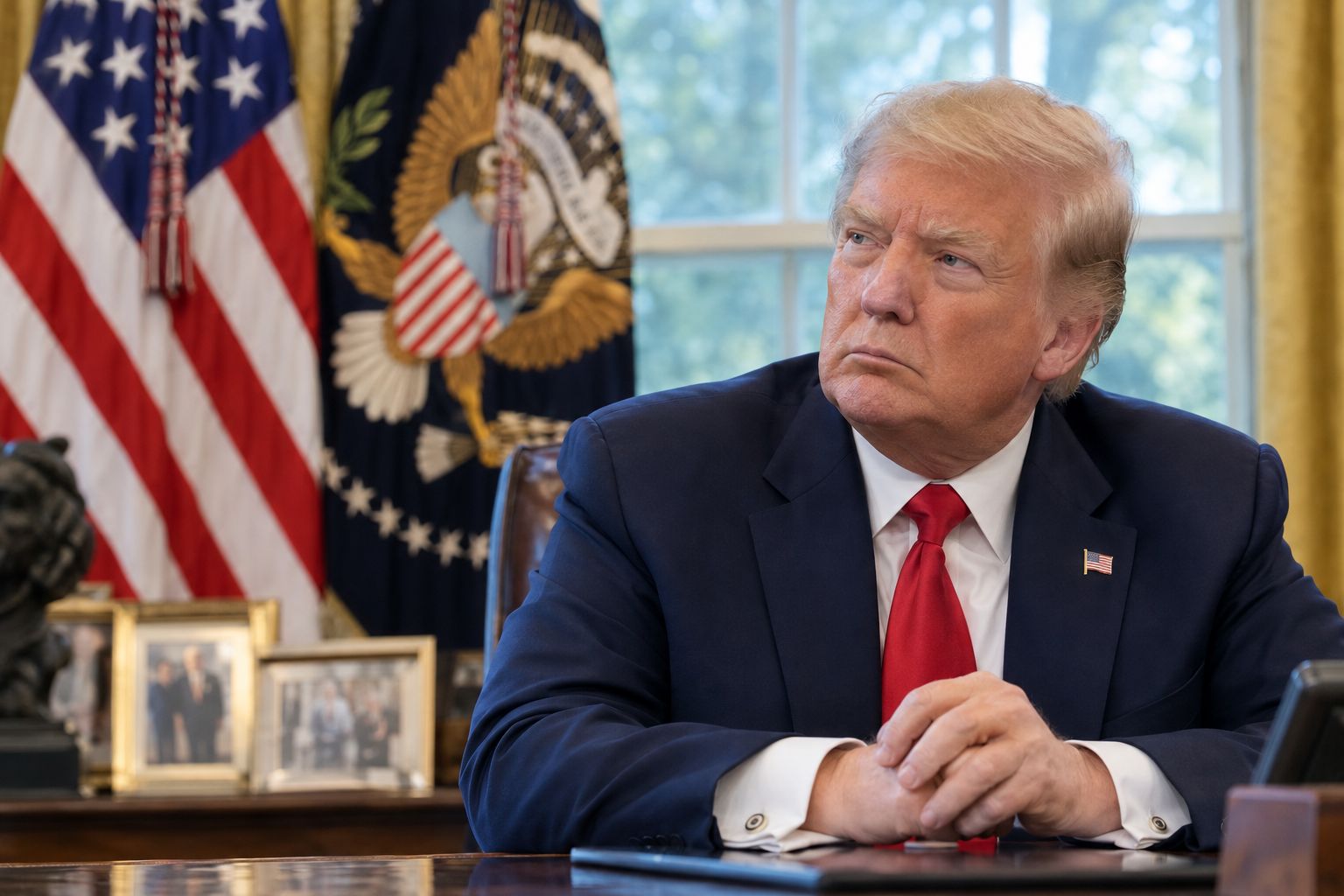
President Donald J. Trump
President of the United States of America
The White House
1600 Pennsylvania Avenue NW
Washington, D.C. 20500
United States of America
London, 07 October 2026
Dear Mr President,
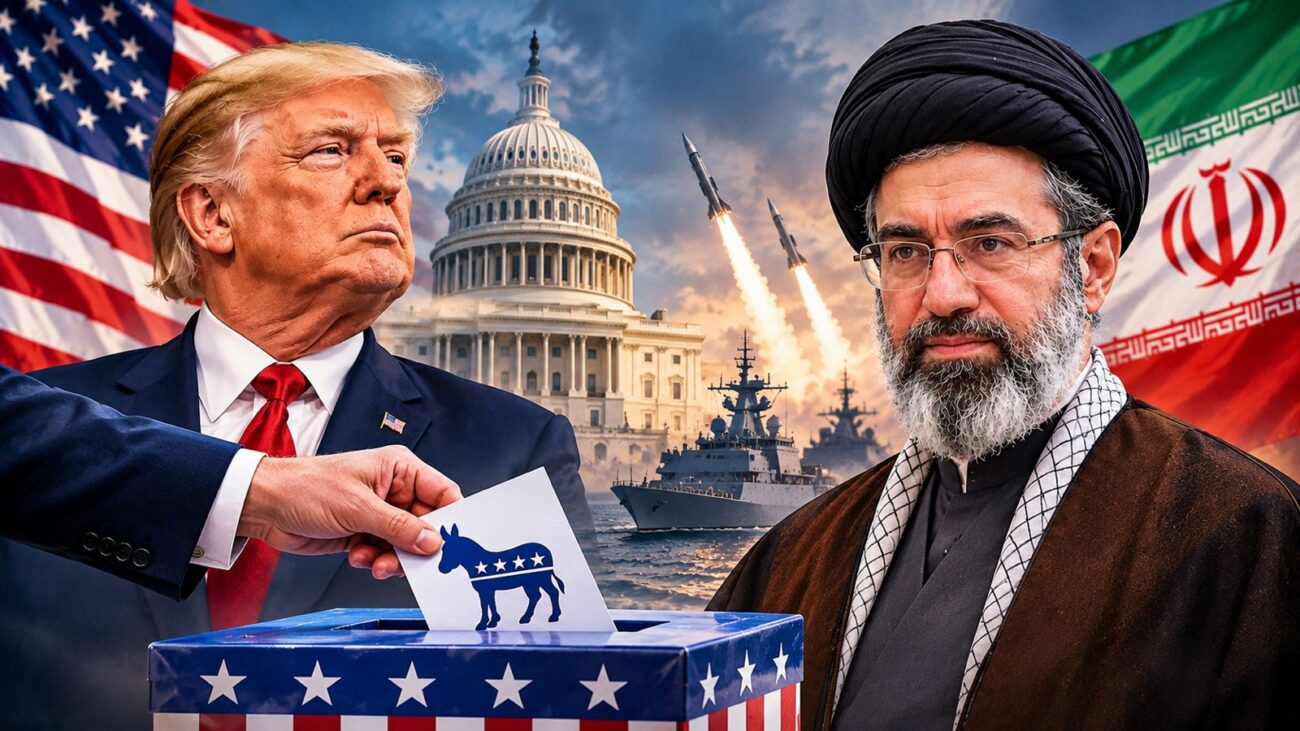
I write to you not as an American, but as one of the many people around the world who once looked to you, Mr President, as the man who would end wars rather than begin them. With the midterm elections now only weeks away, this letter is a reminder of the promises on which you were returned to office and an appeal that you deliver them while there is still time to do so.
You came to power a second time, Mr President, because the American people wanted you, hoped in you and believed in you. They voted for peace, for prosperity and for the promise to make America great again. Peace was always presented as your priority, and you spoke with pride of being the president who started no new wars. In your first term you signed the Doha Agreement, which set the course for ending America’s longest war in Afghanistan. You met President Putin face-to-face, and you did what no sitting American president had done before when you met Kim Jong Un and stepped across the line into North Korea in the name of peace. Whatever your critics said, Mr President, you took risks for dialogue that others would not take.
That is why so many people hoped for the same passion and the same effort this time. Your support was never confined to America. People in many countries wished for your victory, millions in Pakistan among them, because they believed you understood the cost of endless war. When an assassin’s bullet came within an inch of your life in Butler, Pennsylvania, they prayed for you, and many of us believe you were spared for a reason. You returned to office, Mr President, carrying not only a national mandate but also the hopes of ordinary people far beyond your borders.
You made promises to match those hopes. You said you would end the war in Ukraine and that it could be done quickly. You said you would bring peace to the Middle East and protect the people of Gaza. You spoke of restraint, of deal-making, and of an America strong enough that it would not need to fight.
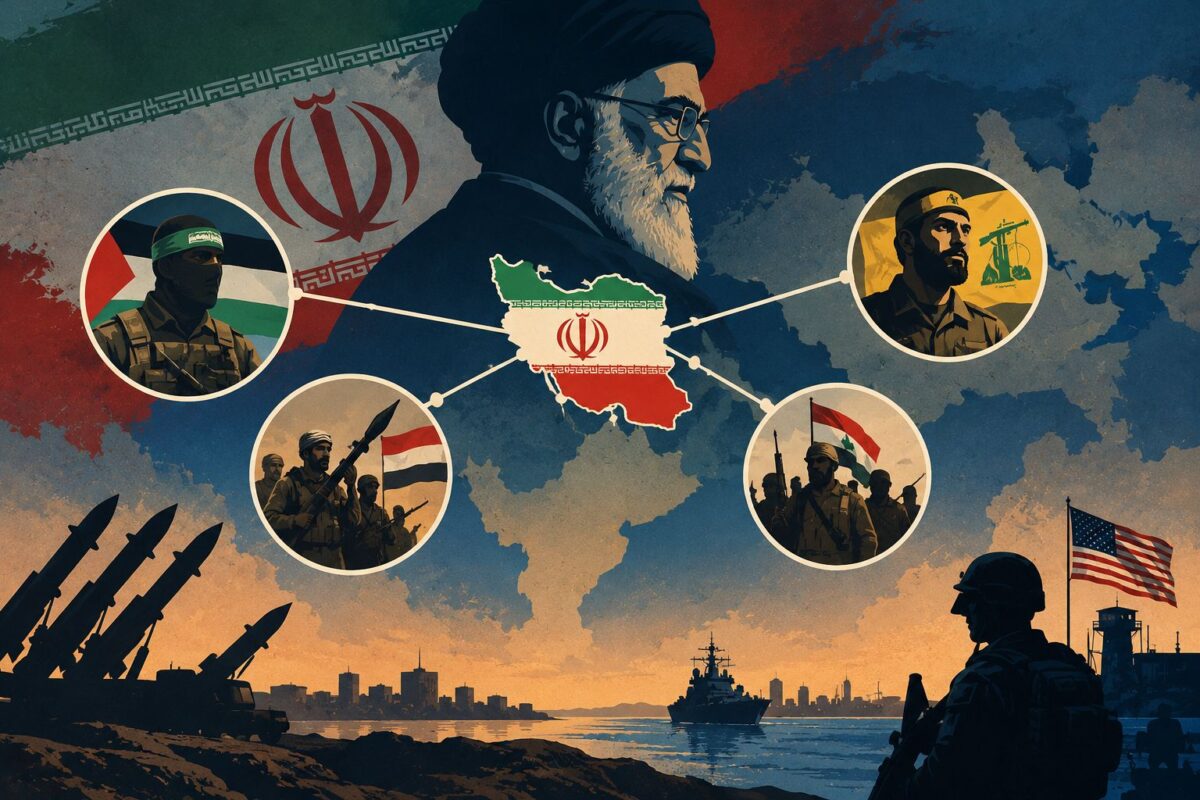
Yet since you returned to the White House, Mr President, it appears that you are being dragged into the very entanglements you once warned against. The anti-war man is being remade into a war man. Ukraine still waits for the peace you promised, and Gaza still waits for the protection you pledged. The action against Venezuela was, in my judgement, an unprecedented and unwise move. Your Middle East policy has pulled the United States into turmoil rather than out of it. And the war against Iran was an unnecessary step that history will not judge kindly.
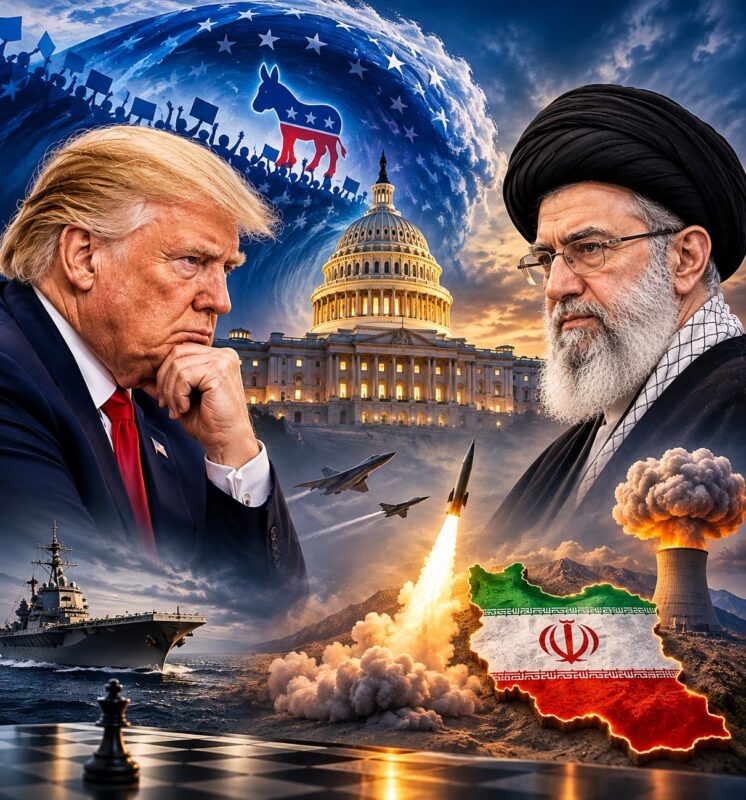
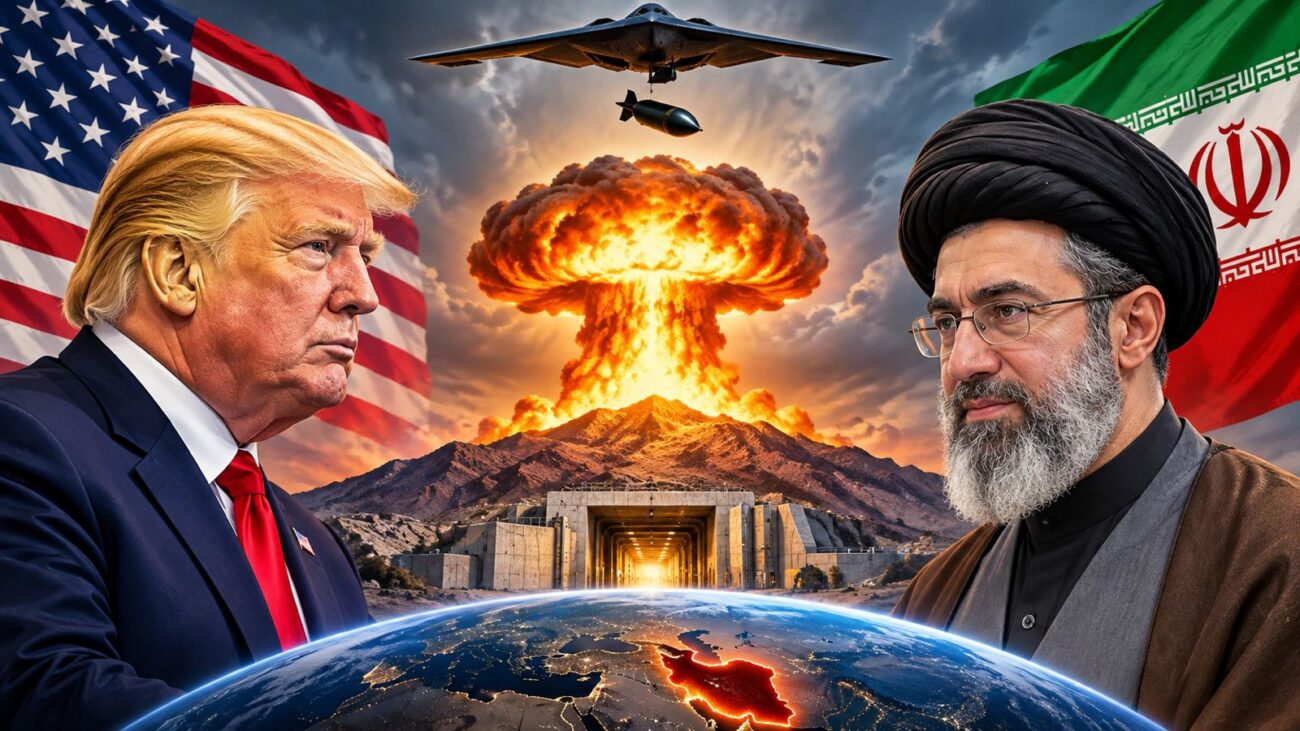
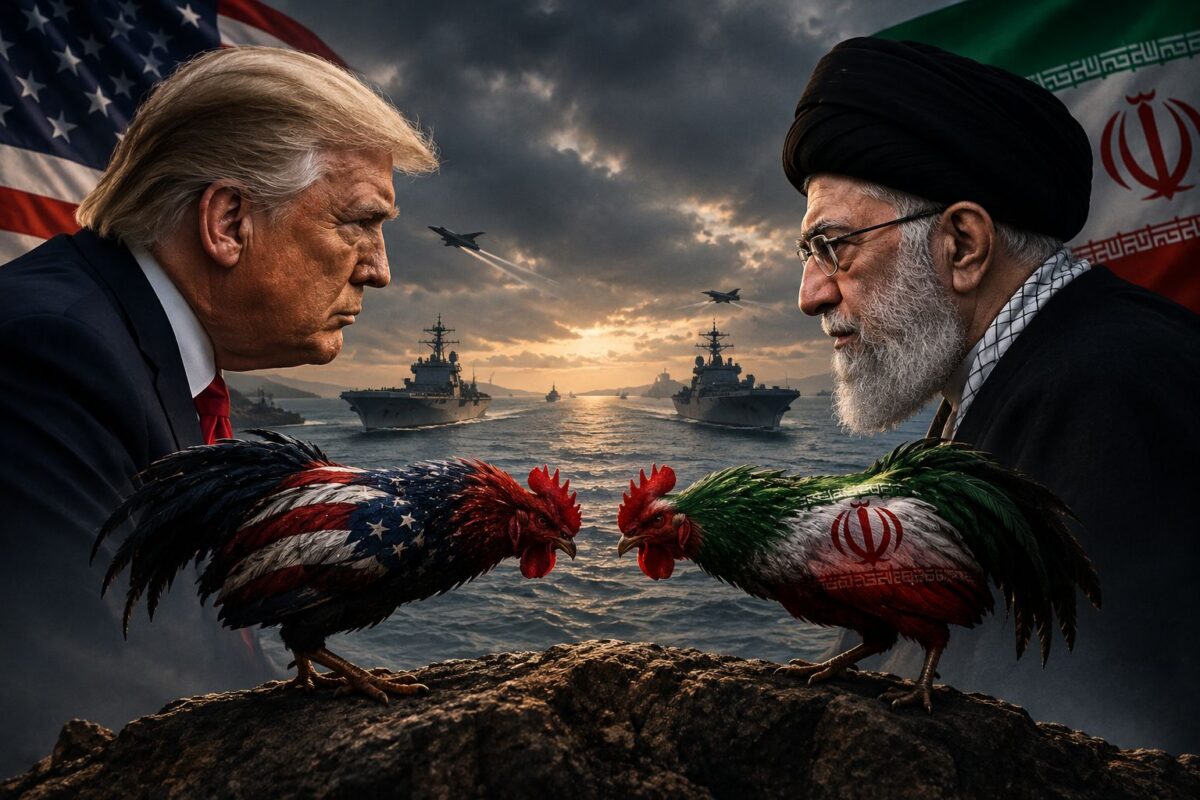
Let me be plain about that war, Mr President, because it is the gravest of these mistakes. When talks in Geneva were moving peacefully towards a conclusion, the American and Israeli airstrikes against Iran shattered the process at the very moment diplomacy was working. That was not strength. It was the abandonment of a settlement that was within reach. The consequences have shaken the whole of the Middle East and unsettled the wider world economy. There is also a strategic reality that too few around you seem willing to state: even if Iran holds no nuclear weapons, the Strait of Hormuz alone is deterrent enough to make any military adventure ruinous. A single choke point can hold the global economy hostage. That is not a war America needed, Mr President, and it is not a war America can simply win and walk away from.
There is a longer list of promises, made both at home and abroad, that remains unmet. I want to raise one that speaks to your own words, Mr President, because you spoke to them yourself.
When you welcomed Imran Khan to the White House in July 2019, you praised him openly and warmly as a good man and a brave one. You spoke of him as a partner, and together you worked towards a resolution of the Afghan war. During your campaign, people across the world stood with you, and millions of Pakistanis supported you in the hope that you would speak, at last, against the injustice done to him. His removal from office was not a coincidence. For more than three years he has remained in prison, while his party has been hounded and his supporters silenced.
The conditions of his detention demand your attention, Mr President. He is held in solitary confinement, denied regular access to his family, and refused an independent medical examination by doctors of his own choosing. A former prime minister is entitled, at the very least, to fair treatment, due process and the basic protections owed to any prisoner under Pakistani and international law. Any harm to his health or his life would not be a private tragedy. In a nuclear-armed state of more than 240 million people, already strained by economic hardship and deep political division, it could unleash unrest that no general could contain, with consequences reaching far beyond Pakistan’s borders. Washington, of all capitals, cannot afford that kind of instability in a country that holds nuclear weapons.
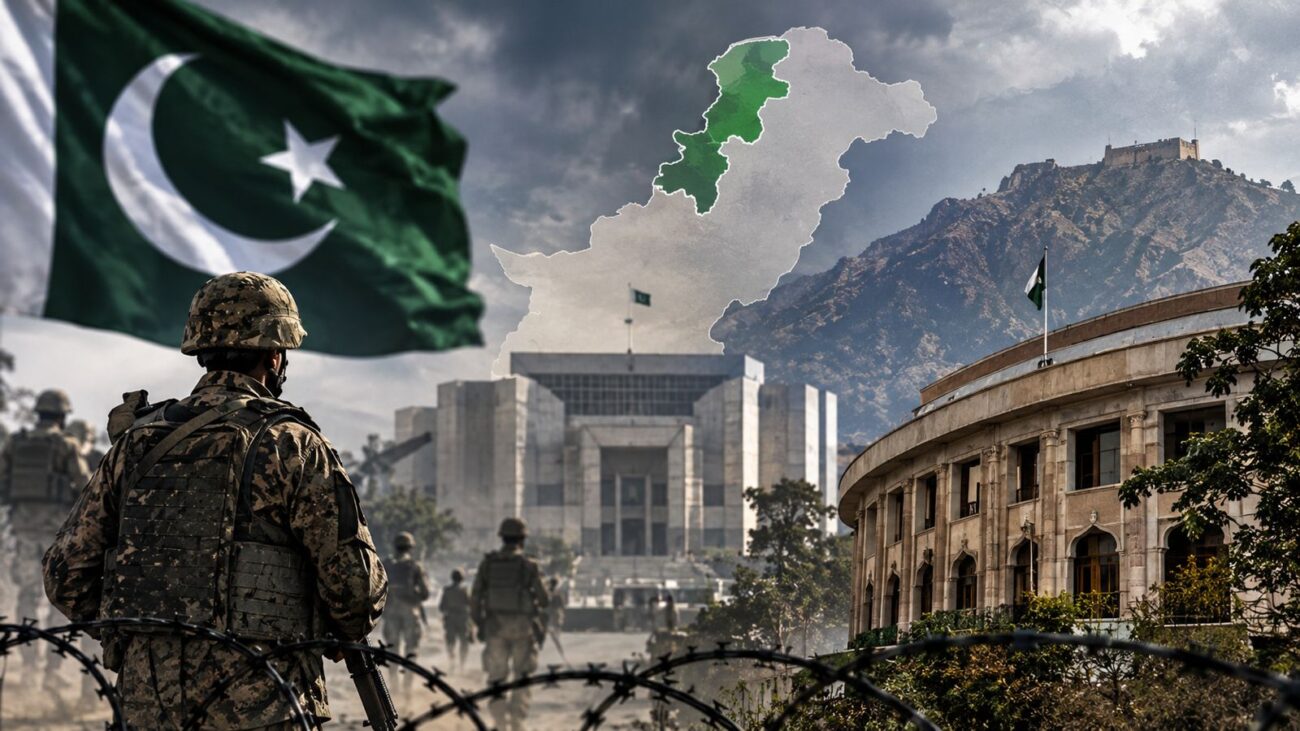
Meanwhile, Mr President, the man you have called “Your Favourite Field Marshal” is busy maximising his power to control the country. What Pakistan lives under today is, in all but name, martial law. No decree has been read out on state television, and no constitution has been formally suspended, yet the reality is unmistakable. Through the Twenty-Seventh Constitutional Amendment, Field Marshal Asim Munir has been elevated to the new office of Chief of Defence Forces and shielded by lifelong legal immunity. Parliament, the courts and the press have been bent to the will of a single office, and civilians have been tried before military courts. It is a bitter irony that a government which nominated you for the Nobel Peace Prize keeps behind bars the leader you once praised as a partner for peace.
You have been reminded of these injustices again and again, and the answer, each time, has been that you are busy with other matters. But let me say this with conviction, Mr President: a meaningful step towards justice for Imran Khan and the restoration of democracy in Pakistan would change the fortunes of your own presidency. Pakistan shares a long border with Iran, and a legitimate government in Islamabad, led by its most popular leader, could become a credible bridge towards ending the Iran crisis. I am convinced that the person most capable of helping you find that way out and of restoring your standing as a peacemaker is the very man now sitting in a prison cell.
The midterm elections fall on 3 November, less than a month from now. Americans will ask whether the anti-war man they elected is the man they have seen in office. There is still time to answer them: a credible path to peace in Ukraine, a return to diplomacy with Iran, real protection for the civilians of Gaza, and a clear American voice for justice and democracy in Pakistan. Each of these would remind voters why they chose you, and together they could yet decide the outcome in November.
Mr President, time is passing, and it will keep passing, but it will not come back. The window through which a leader can still change course is never as wide as it seems from inside it. You can still make history, and you can still make America great again. But greatness now will not come from great words. It will come from great actions taken while there is still time to take them.
You were the anti-war man, Mr President. The world is waiting to see whether you still are.
With respect and candour,
Dr Tahir Mahmood Azad
Executive Director
London Dialogue (LD)
London
[email protected]